

Neighborhood Overview and History
Santo Stefano is a neighborhood where Bologna’s historic character really shines. It’s among the oldest parts of the city, with a long history shaped by centuries of religious and civic life that have left their mark on the streets the Bolognese people still walk today.
You’ll find Santo Stefano tucked away between Piazza Maggiore and the University District. It’s in the heart of the Historic Center, so it’s easy to reach. Many of its buildings still have that beautiful old-world charm, and its sprawling squares are as striking as ever.
Even today, Santo Stefano, Bologna, remains a residential area, one that many locals still call home. Everyday life mixes with famed landmarks like the Basilica di Santo Stefano, giving the area a charm other parts of the city simply can’t match.
We’ve always had a soft spot for Santo Stefano, ever since we started running our Bologna food tours. Tourists have long come here to try Bologna’s street food, especially at the Quadrilatero market, so it only made sense to build some of our experiences around the area.
If a foodie trip to Bologna has put Santo Stefano on your radar, this guide will help you get your bearings and give you a closer look into the area’s food scene. We’ll take you through the basilica, where to eat, and everything in between.
The Basilica di Santo Stefano Complex
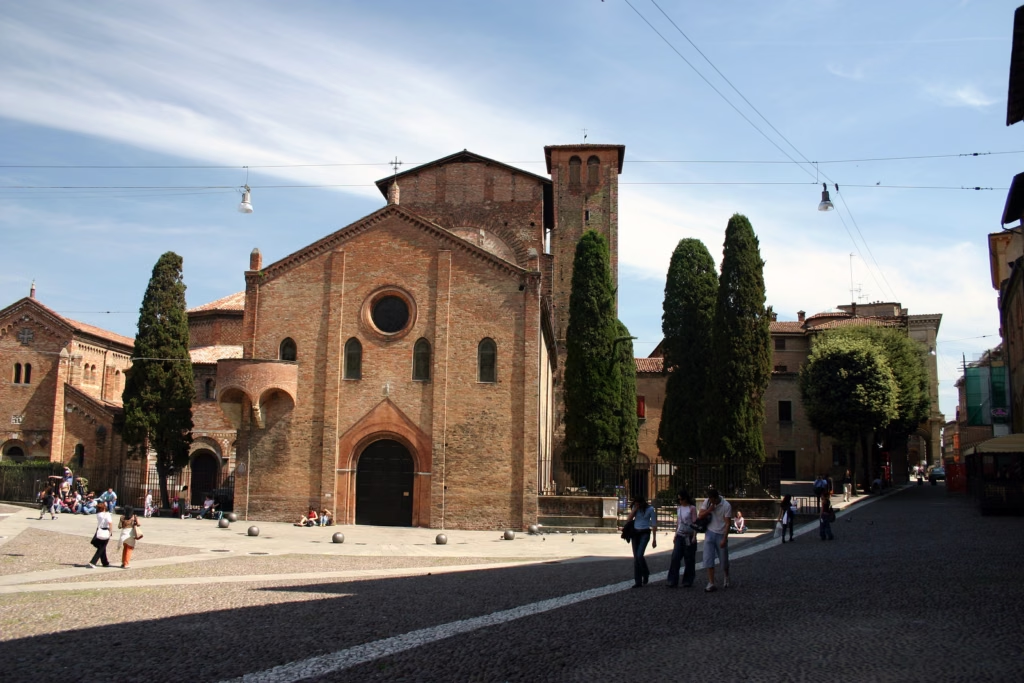
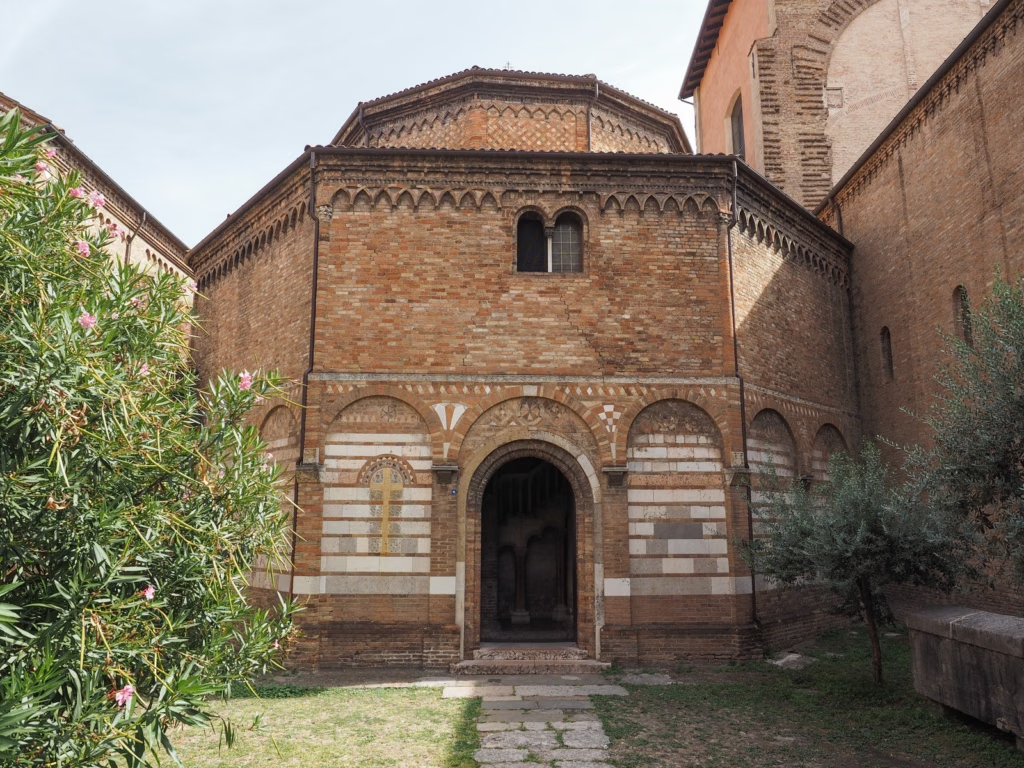
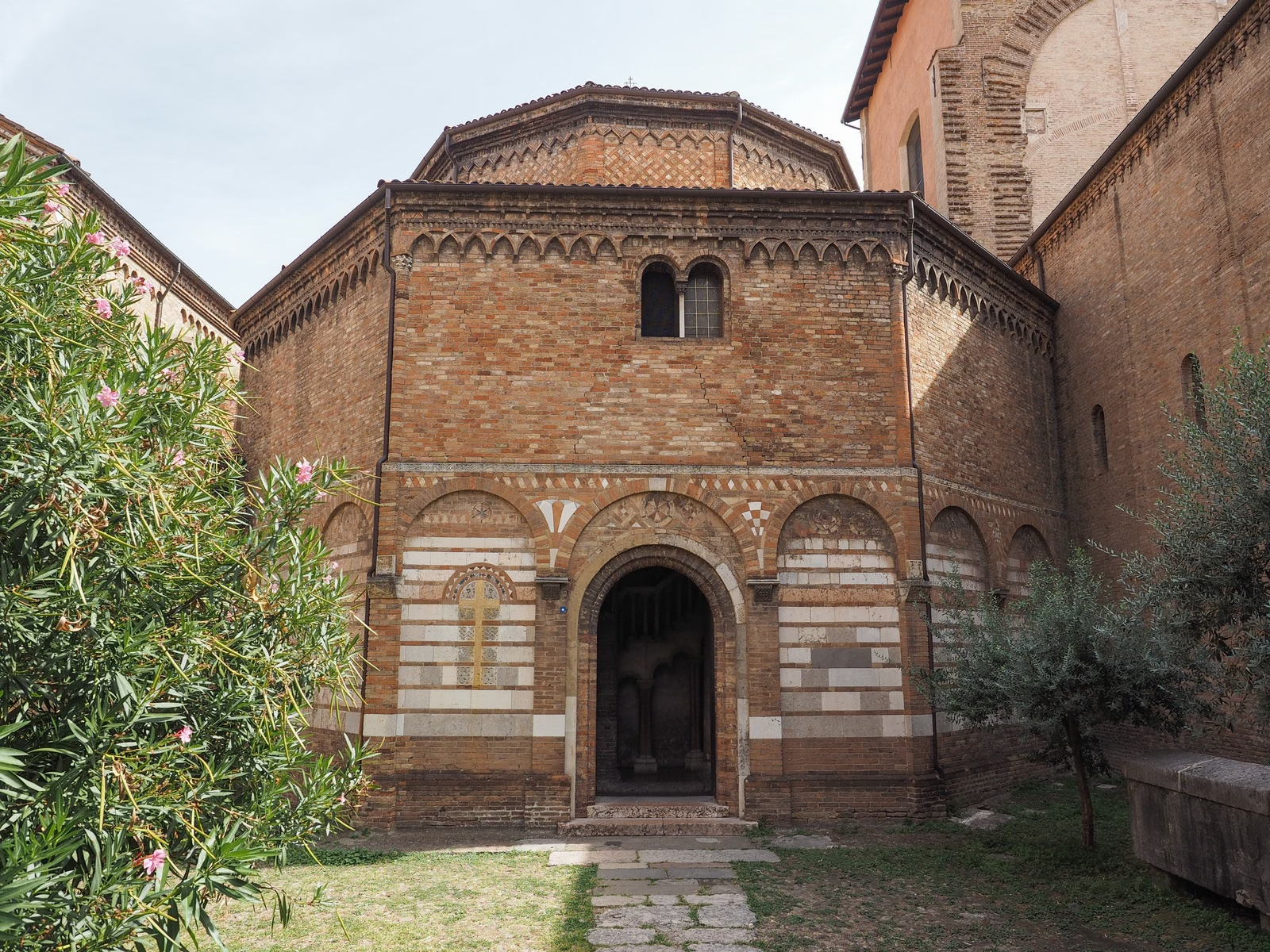
The biggest highlight of any visit to Santo Stefano is, without question, the Basilica di Santo Stefano Complex. It’s a collection of seven churches dating back to the 5th century, known locally as Sette Chiese, which simply means ‘seven churches.’
Inside, you’ll be able to see many spaces tied to very different periods of Bologna’s past, from the Roman era through to early Christian history.
The renowned courtyard, Cortile di Pilato, is one section that many people hope to see when they come. It’s a small open space with a Lombard-era basin sitting right in the middle, designed to recreate the setting associated with Pontius Pilate and the trial of Jesus.
Compared to some of the busier attractions in Bologna, the Basilica di Santo Stefano Complex is quite peaceful. Entry is free, and you’ll have the chance to see an impressive list of sights in one place, from chapels to crypts and beyond.
Food and Dining in Santo Stefano
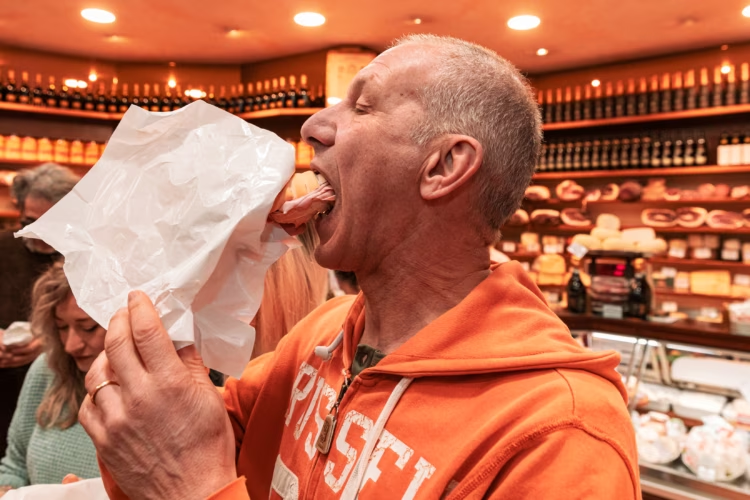
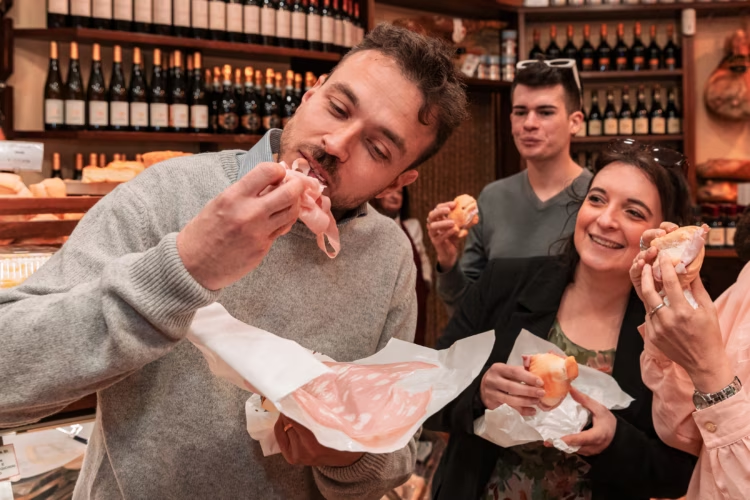
If you know anything about Italian food, you’ll already know Bologna’s dining scene is in a league of its own. Think silky, savory tagliatelle al ragù, stuffed tortellini in brodo, and nicely peppered mortadella. These are classics you have to try when visiting some of the restaurants in Santo Stefano, Bologna.
What we love most about Santo Stefano is the cluster of delicatessens, salumerias, and specialty shops scattered throughout the neighborhood. Along Via Santo Stefano, you’ll encounter places like Artigianquality, which specialize in mortadella and have built their reputation on making delicious cured meats with high-quality ingredients.
Being based in Santo Stefano also puts you right next to the Quadrilatero market and its food stalls. This is Bologna’s oldest trading post, where you’ll be able to buy everything from cheeses and breads to wine and plenty more.
It’s just a five-minute walk from Piazza Santo Stefano in Bologna, so you won’t have to go far. Most stalls take card, but bring euros just in case the ones you go to only accept cash.
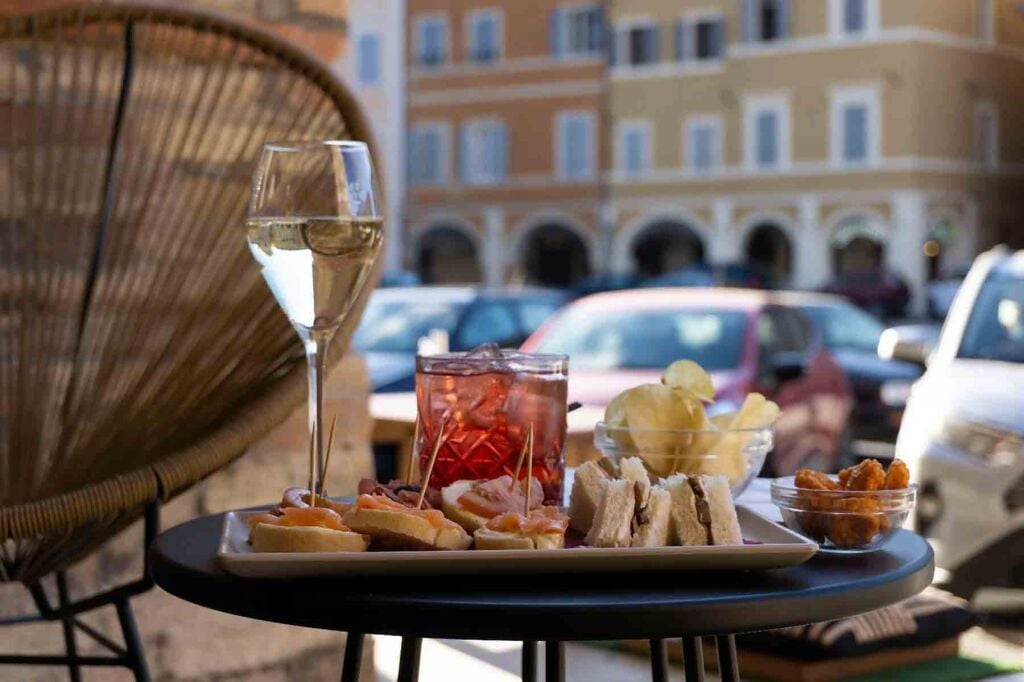
In the evening, Santo Stefano’s wine bars and aperitivo spots start filling up with locals. Small, hole-in-the-wall places like Gianni Vini are perfect for this part of the day: long wine lists, tiny tables, and loaded charcuterie boards.
Things to Do in Santo Stefano Bologna
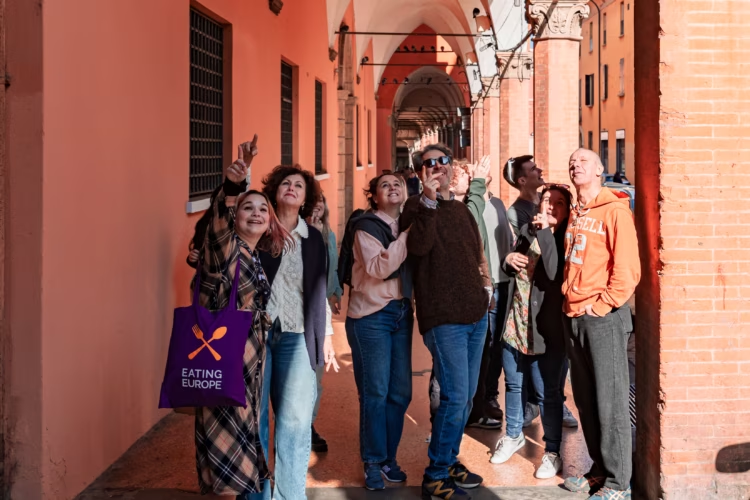
Wondering how to spend your time in Bologna’s Santo Stefano neighborhood? You’ve got plenty of options. Join a passeggiata, the relaxed early-evening stroll locals take through the arcaded streets and peaceful piazzas. As the shops wind down and the light softens on the terracotta façades, Via Santo Stefano fills with couples, families and friends walking arm in arm, stopping to chat with neighbors and window-shop beneath the porticoes, which are part of the UNESCO World Heritage listing for Bologna’s porticoes.
Via Santo Stefano is also worth a wander for its independent bookshops, like Attraverso, known for its wonderful selection for young readers. You can also pop into antique stores such as I Volpini di Evelina Tinarelli Volpini, where all kinds of unusual items are waiting to be purchased.
Check what’s happening around Bologna during your stay, particularly if you’re interested in cultural events and live music. The 2026 edition of Voci nei Chiostri is due to take place in the city, with some performances planned for the Basilica di Santo Stefano.
The Architecture and Streets That Define Santo Stefano
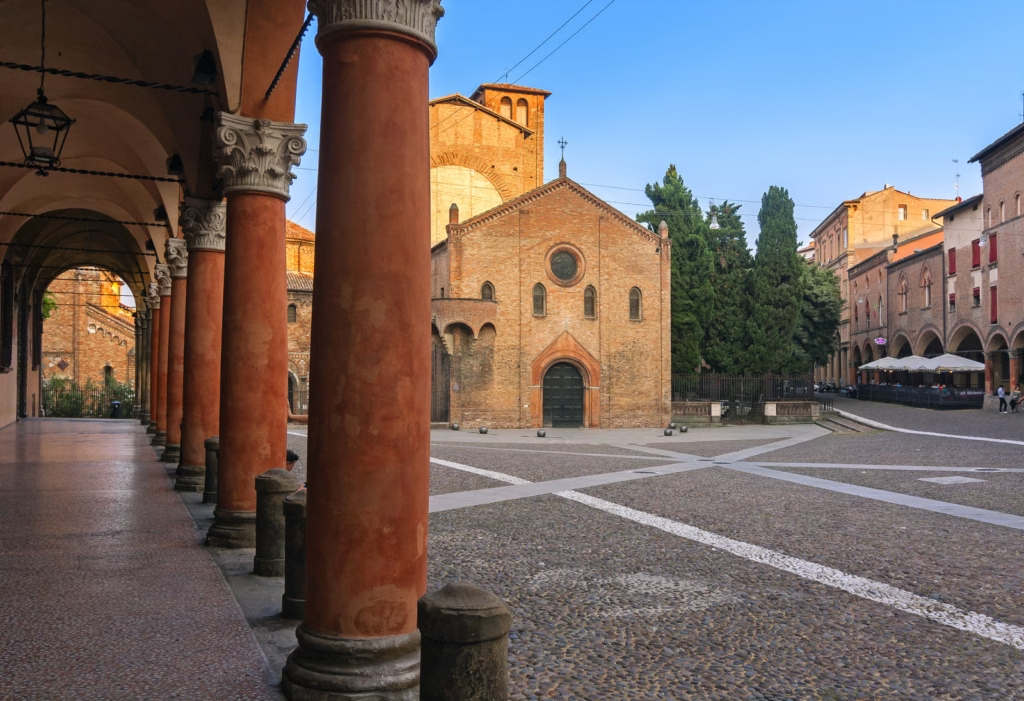
It’s easy to see why people love the architecture in Santo Stefano and Bologna’s Old Town. Much of its appeal lies around Piazza Santo Stefano, the neighborhood’s Medieval square and main gathering point. Via Santo Stefano, with its covered porticoes, leads away from the piazza and connects the wider area with the surrounding parts of the city.
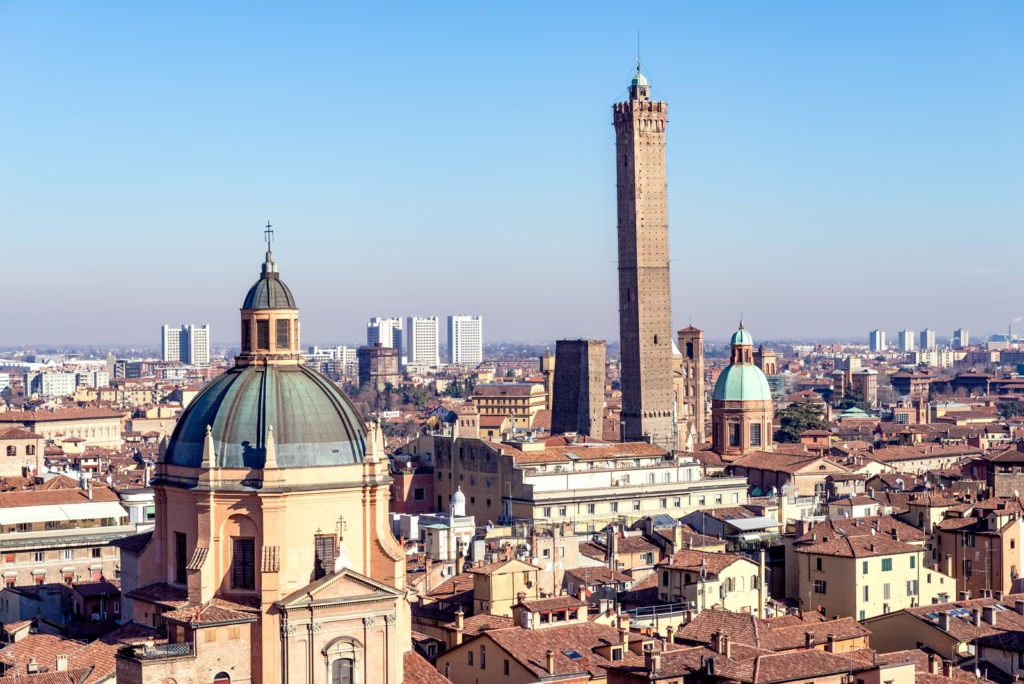
At the top of Via Santo Stefano, you’ll be able to see the iconic Two Towers, Garisenda and Asinelli. The charming terracotta façades are another defining feature of this part of Bologna and give it a distinct look. Be sure to look out for the ornate Oratorio dei Battuti and the smaller churches tucked away on the surrounding streets as well.
Planning Your Visit to Santo Stefano
Need a hand finding your way around Santo Stefano? I’ve visited this neighborhood countless times over the years and learned many things that I wish I’d known on my first visit. Take this advice on board, and your trip will go much more smoothly.
- Start your visit to Santo Stefano in the morning, when the streets in Bologna’s Historic Center are quieter, and most of the people here are locals going about their day.
- Don’t make Santo Stefano the only stop on your itinerary. Pop into neighboring districts too, like the University District, while you’re there; use your time wisely.
- Half a day is usually enough to see Santo Stefano properly without feeling rushed. If you’ve got a few extra hours to spare, you can take a full day and really soak up the atmosphere.
- Don’t just pass through; take your time, explore markets like Quadrilatero and notable streets like Via Santo Stefano at your own pace.
How to Get There and Around
Santo Stefano is about a 20-minute walk from Bologna Centrale Station. The walk between the two locations is pleasant, very easy, and a great way to get a real feel for the city.
Keep in mind that Santo Stefano is located within Bologna’s ZTL zone, an area with restricted vehicle access between 07:00 and 20:00 every day. That’s why we suggest walking or taking public transport, since taxis will only get you so far.
If you’d rather take the bus, hop on the number 11 from Bologna Centrale Station. It will drop you close by at Piazza Minghetti, then you just have to make the short walk from there into Santo Stefano.
Since you’ll be spending most of your time on foot, comfortable shoes are a must. The streets in Santo Stefano, Bologna, are mostly cobblestoned with uneven surfaces, so having decent footwear will come in handy.
Sources:
Eating Europe. (n.d.). Bologna food tours. https://www.eatingeurope.com/bologna/
Eating Europe. (n.d.). A local’s guide to street food in Bologna. https://www.eatingeurope.com/blog/bologna-street-food/
Artigianquality. (n.d.). Artigianquality. https://www.artigianquality.com/
Gianni Vini Santo Stefano. (n.d.). Gianni Vini Santo Stefano [Instagram profile]. https://instagram.com/gianni_vini_santo_stefano


Eating Bologna Food & Wine Tour
Bologna’s best food tour — and that’s no baloney.
- Mon-Sat
- 3 Hours
- Small Group