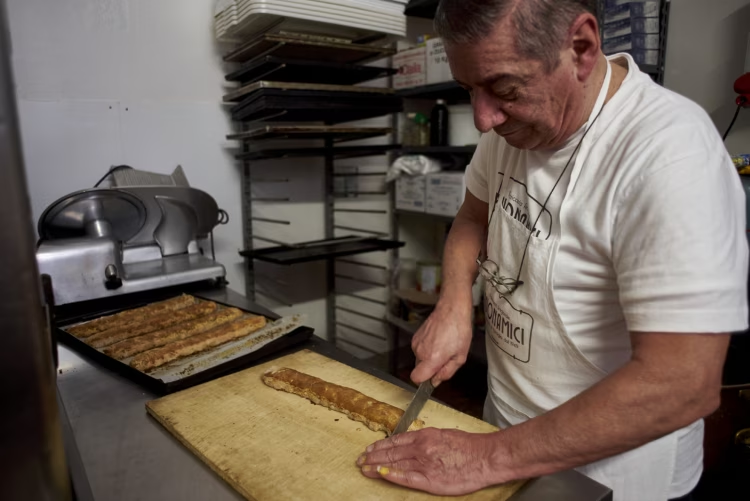
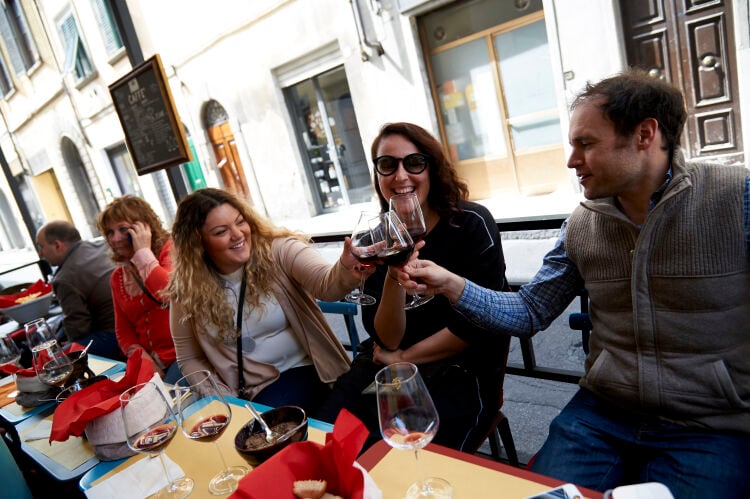
The San Lorenzo district is undoubtedly one of Florence’s most exciting areas. Conveniently located near some of the city’s most popular attractions in the heart of the historic center, I don’t doubt you’ll pass through here at some point during your trip.
Why San Lorenzo Is One of Florence’s Most Lively Historic Neighborhood
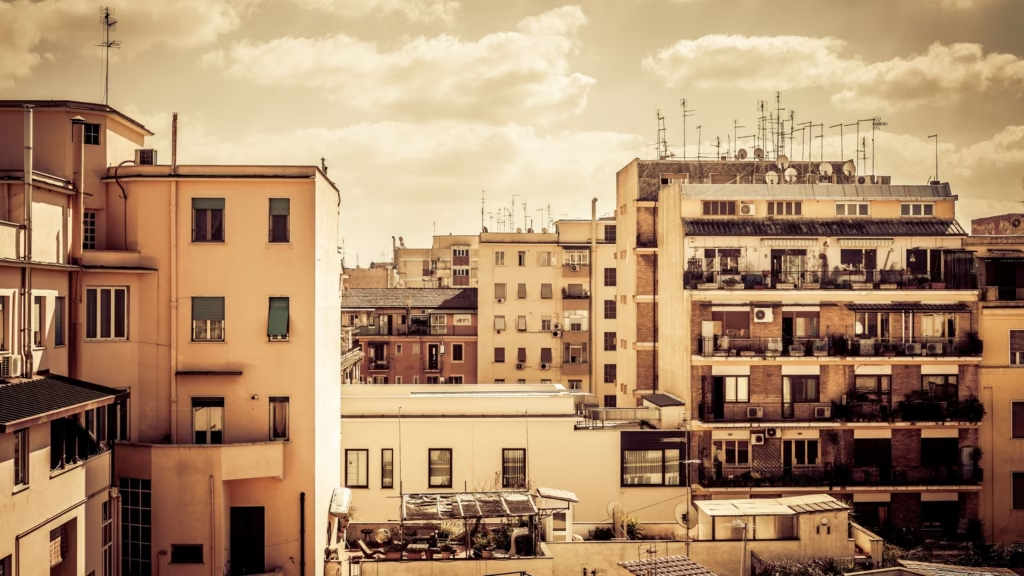
The San Lorenzo district is undoubtedly one of Florence’s most exciting areas. Conveniently located near some of the city’s most popular attractions in the heart of the historic center, I don’t doubt you’ll pass through here at some point during your trip.
This particular area is well known for its lively markets, artisan culture, and significant religious sites, so it’s pretty much a non-negotiable to stop by at least once while you’re in the city. Here, you’ll experience a blend of Renaissance heritage while also getting a glimpse into everyday Florentine life and the local food culture.
Sure, San Lorenzo in Florence is popular with tourists, which is noticeable immediately when you’re here. But it’s still deeply connected to its authentic traditions that everyone should experience at least once, something you can do on my Florence food tours.
If you’re considering food marketing in Florence, you should put San Lorenzo Market right at the top of your list. Here’s how to enjoy it at its very best!
The Basilica of San Lorenzo and Its Renaissance Legacy
One highlight you won’t want to miss is the Basilica of San Lorenzo. It’s one of the oldest churches in the entire city, with origins that can be traced back to early Christianity. During the Renaissance period, it had some work done under the patronage of the Medici family, yet it has still managed to preserve much of its charm.
The architecture is truly striking and reflects Brunelleschi’s innovative Renaissance ideas. You’ll appreciate the simple, unfinished façade on the outside, which contrasts with the elegant interior. Together, these elements make the basilica a significant symbol of early Renaissance artistic and cultural expression.
Architectural Features and Interior Layout of the Basilica
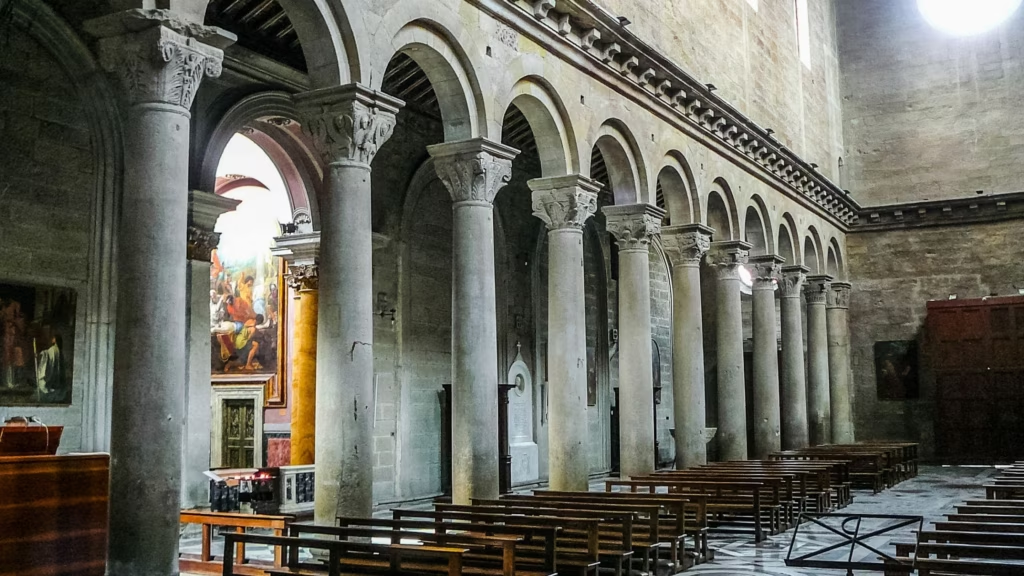
As you step inside the Basilica, there are a few architectural features and Renaissance details that will really blow you away during your visit to San Lorenzo, Florence.
The first part of the interior layout and key spaces that are sure to catch your eye are the Latin cross floor plan with its balanced geometric proportions, which really steals the show thanks to its intricate design.
Before long, you’ll see how the pietra serena stone is integrated and contrasted with the white plaster surfaces. One thing I personally love is the rounded arches that share the space with Corinthian columns, along with the overall architectural symmetry.
There are also some other key areas you’ll definitely want to check out, including the nave chapels, cloister, and crypt, which all make up an important part of the site. The Old Sacristy is another major highlight, crafted by Brunelleschi as an early Renaissance centralized structure. It’s one of those features that really makes an impression when you see it up close.
Artworks and Treasures Inside San Lorenzo
San Lorenzo is packed with remarkable artwork and historic treasures that you should seek out. Donatello’s bronze pulpits bring biblical stories to life, while Michelangelo’s sculptures connected to the Medici tombs showcase the brilliance of the Renaissance period.
Alongside them are beautifully crafted reliquaries and liturgical treasures deeply connected to St.Lawrence, as well as detailed frescos and intricate pieces of art from true greats. Not to forget the huge number of religious items that honor the city’s extraordinary artistic legacy.
The Medici Chapels and the Family’s Influence on Florence
The Medici Family’s connections and chapels are truly astonishing. At one point, the basilica belonged to the family and even became a grand mausoleum for them, with important features like the tombs of Lorenzo and Giuliano de’ Medici. Some parts were even designed by Michelangelo himself, including the jaw-dropping New Sacristy.
Another section that tends to catch people by surprise is the Chapel of the Princes, especially because of its use of marble and semi-precious stones.
San Lorenzo Market and Florence’s Local Food Scene
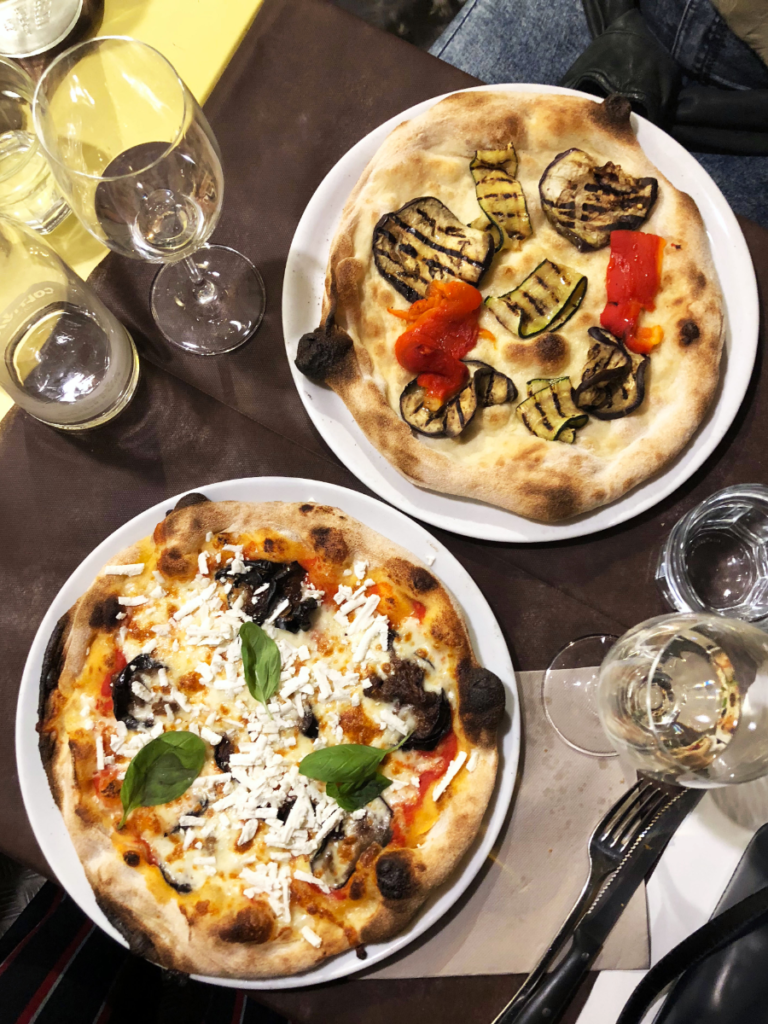
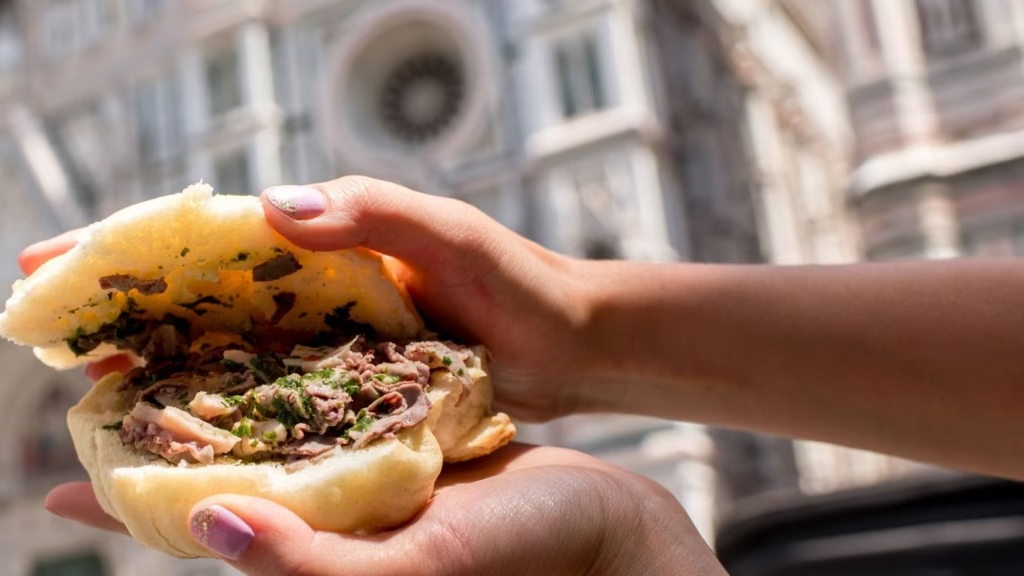
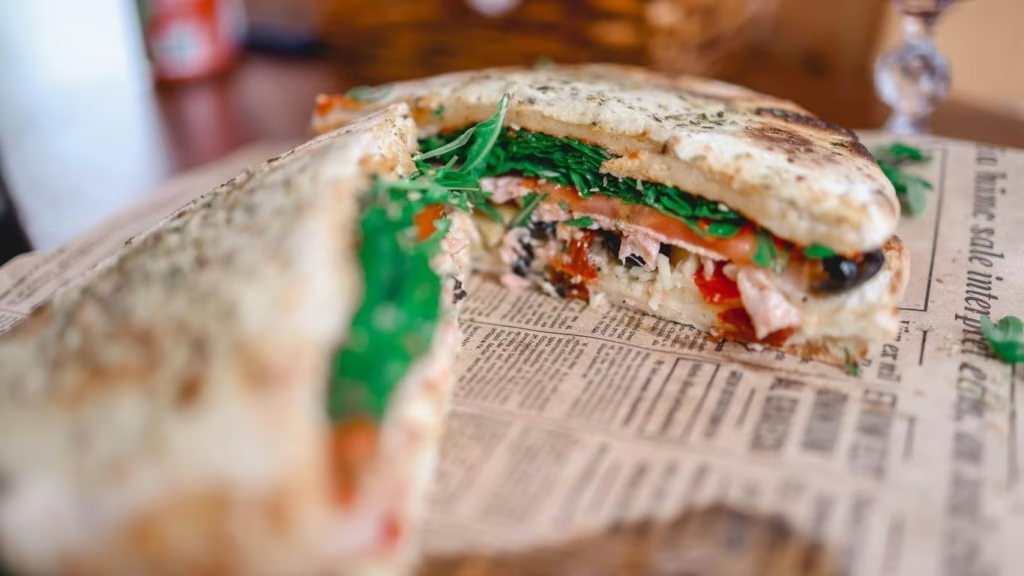
This part of Florence isn’t just about history. It also has a thriving culinary scene that any foodie can appreciate. Mercato Centrale is easily the highlight, and it’s also one of the city’s most famous markets. You can wander around the stalls and load up on Tuscan specialties made with some of the best local ingredients, from fresh cheeses to seriously good cured meats.
Around the basilica, you’ll also find plenty of vendors and trattorias where you can try classic Florentine dishes like earthy ribollita, tender lampredotto, and a juicy Florentine steak. It’s a great chance to sample Florence’s flavors while getting lost in one of the city’s most interesting neighborhoods.
Exploring the San Lorenzo Neighborhood
After exploring the Basilica and loading up on some tasty grub, you can dive deeper into the San Lorenzo neighborhood and enjoy more of the sights. Take a stroll around some of the historic piazzas, like Piazza San Lorenzo, and browse the artisan shops, local boutiques, leather markets, and craft stores nearby.
If you’re still in the mood for more sightseeing, there are plenty of other attractions in the area, such as Palazzo Medici Riccardi and Florence Cathedral. Some of the lively streets connecting the district to the rest of the city, like Via dei Martelli, are also worth a look at.
Visitor Tips for Experiencing San Lorenzo
- Try to plan your visit to the basilica and markets as early as possible. The markets are at their liveliest in the morning, while the basilica tends to be much quieter at that time, which makes the whole experience a lot more enjoyable.
- The church, Medici Chapels, and Laurenziana Library all require separate tickets, so it’s a good idea to book them online in advance, especially since they can sell out quickly. You can find visitor information and guided tour prices on the attractions’ websites.
- Once you’ve finished exploring San Lorenzo, Florence, you can easily walk to nearby attractions like Palazzo Medici Riccardi, Florence Cathedral, and even Piazza della Signoria.
- Pair your sightseeing with some great foodie experiences. Book a wine tasting featuring Tuscan wines, or join a pasta cooking class to get hands-on in the kitchen.
Sources:
Eating Europe. (n.d.). Florence food tours. Retrieved March 9, 2026, from https://www.eatingeurope.com/florence/
Eating Europe. (n.d.). Food markets in Florence: Where locals shop and eat. Retrieved March 9, 2026, from https://www.eatingeurope.com/blog/food-markets-in-florence/

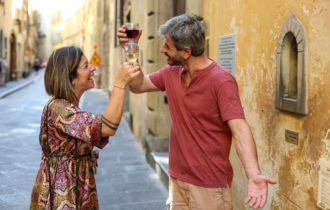
Florence Sunset® Food & Wine Tour
An unforgettable evening filled with wines, fresh pasta, cocktails and an exclusive wine cellar experience.
- Daily
- 3.5 Hours
- Small Group
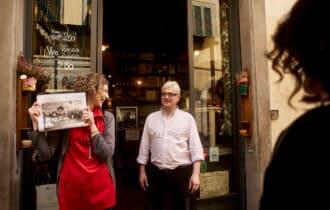
Florence Food & Local Flavors Tour
An intimate culinary experience through Oltrarno, among Tuscan flavors and legendary local hosts
- Mon-Sat
- 3 Hours
- Small Group
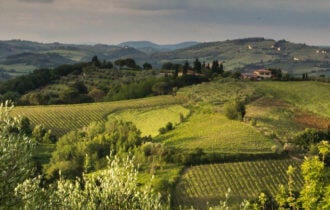
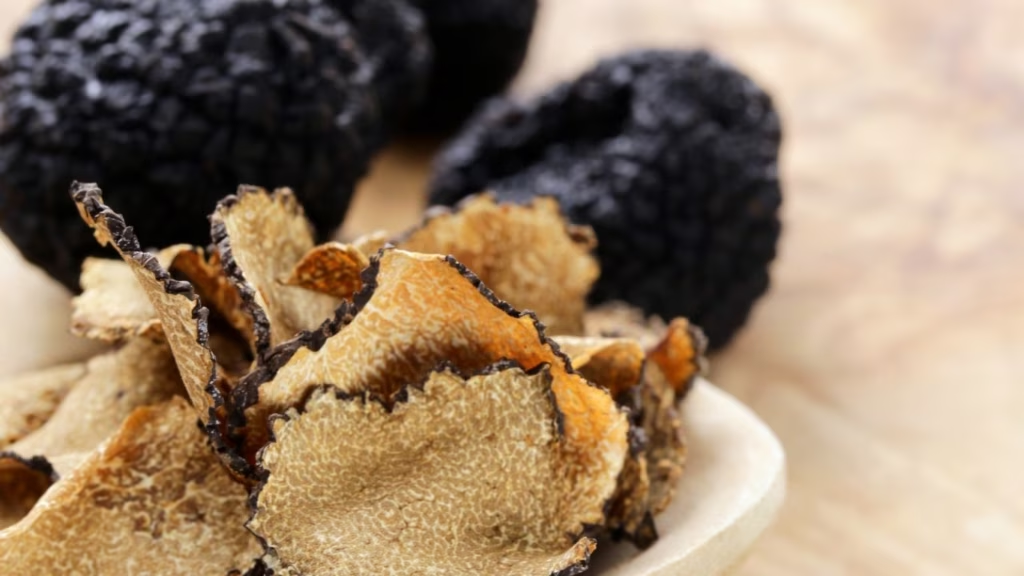
Tuscany Truffle Hunt: A Culinary Adventure
A gourmet culinary adventure with a multi-course meal in the Tuscan countryside.
- 5 Hours
- Small Group