

Why the Venice Jewish Ghetto Is One of the City’s Most Historic Quarters
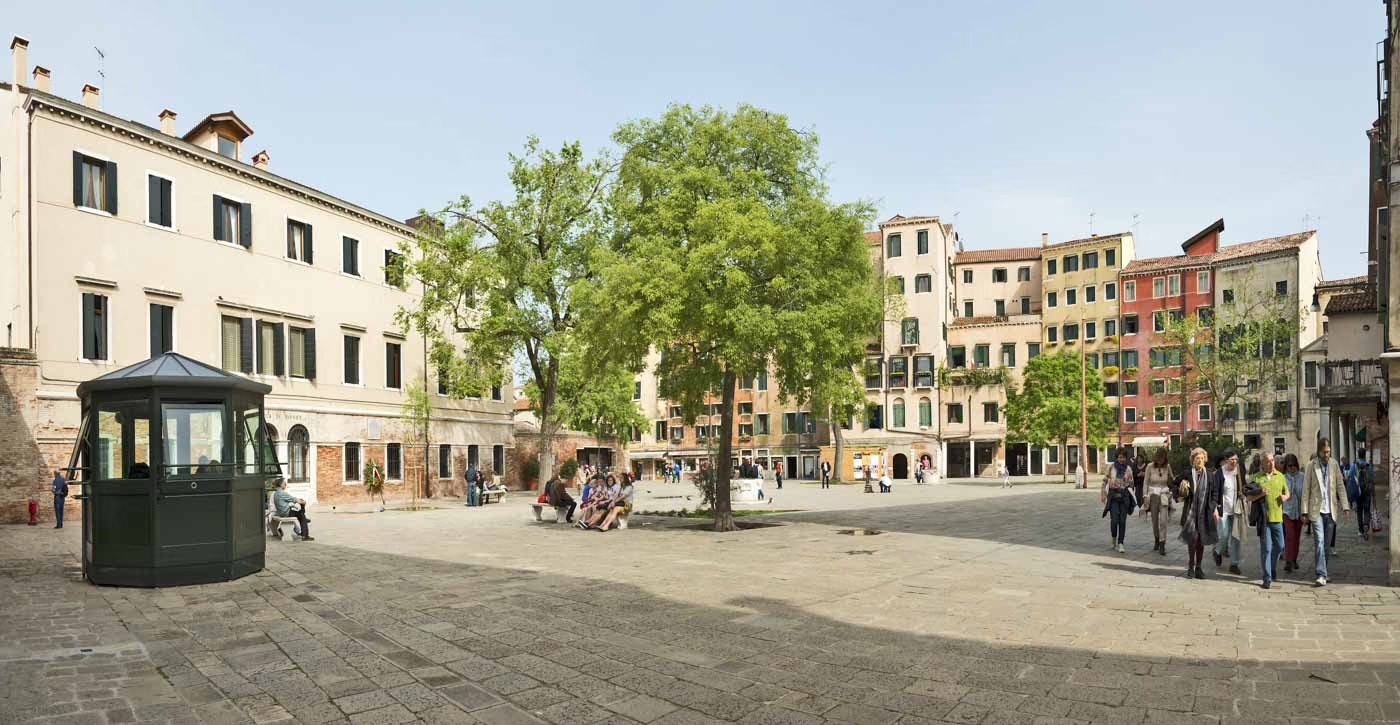
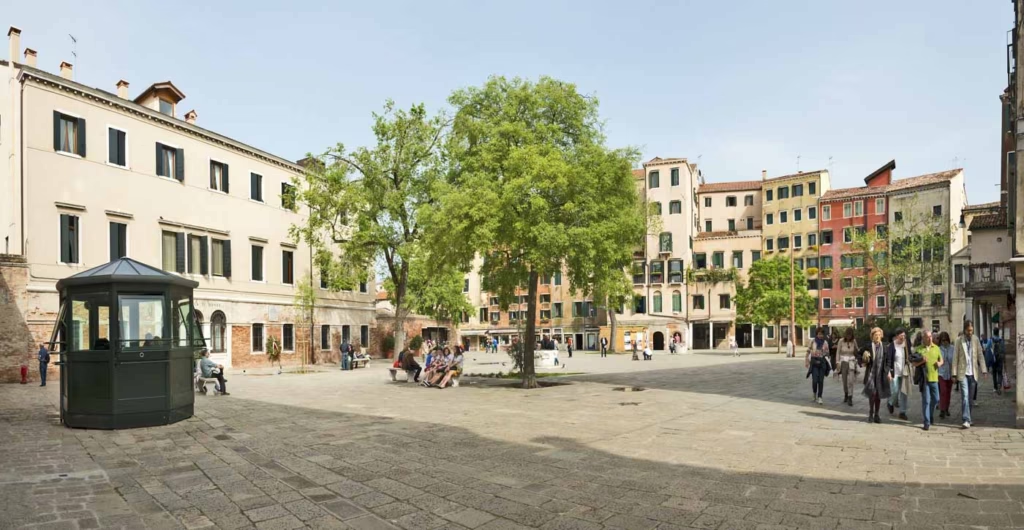
Photo credit: Wikimedia Commons licensed under Attribution-ShareAlike 4.0 International (no changes made)
Venice’s Jewish Ghetto is up there with the city’s most historic neighborhoods that I highly recommend visiting after exploring some of Venice’s culinary markets. While many come here in search of the gorgeous canals, there are pockets of this quaint city that remain largely untouched, and the Jewish Ghetto is one of them.
The ghetto dates back to 1516 and was the world’s first of its kind, established in the Cannaregio district. For context, this is one of Venice’s more local and less crowded areas.
The neighborhood has a lot to offer. Campo del Ghetto Novo is a central square and social hub. You’ll also find quiet canals, tall historic buildings, echoing footsteps, aged facades, and a relaxed pace of life. No matter the time of day, life here moves slowly and peacefully.
On some of our Venice culinary walks, we pass through the Jewish quarter. Our customers love it for the unique snacks you can try there and the sheer volume of interesting sites you can see in such a small area. Curious to learn more? Let us show you everything it has to offer.
History and Origins
The Jewish Ghetto has a fascinating history. It dates back to a decree in 1516 by the Venetian Republic, which enforced Jewish segregation. The entire area changed overnight, with gates, guards, and restricted movement, and it eventually expanded to include the Ghetto Nuovo and Ghetto Vecchio, affecting Jewish communities such as the Ashkenazi, Levantine, and Sephardic groups.
This area played a significant economic role in Venice, where trade, moneylending, and craftsmanship all contributed. It was eventually liberated during the Napoleonic era, which later brought an end to the enforced segregation. The area has undergone significant revitalization, and strong preservation efforts have been implemented.
In fact, the word ‘ghetto’ actually originated from Venice’s Jewish Ghetto, and it is now often used to describe areas where there is a high concentration of people from minority groups living in one poor area.
Jewish Community Life
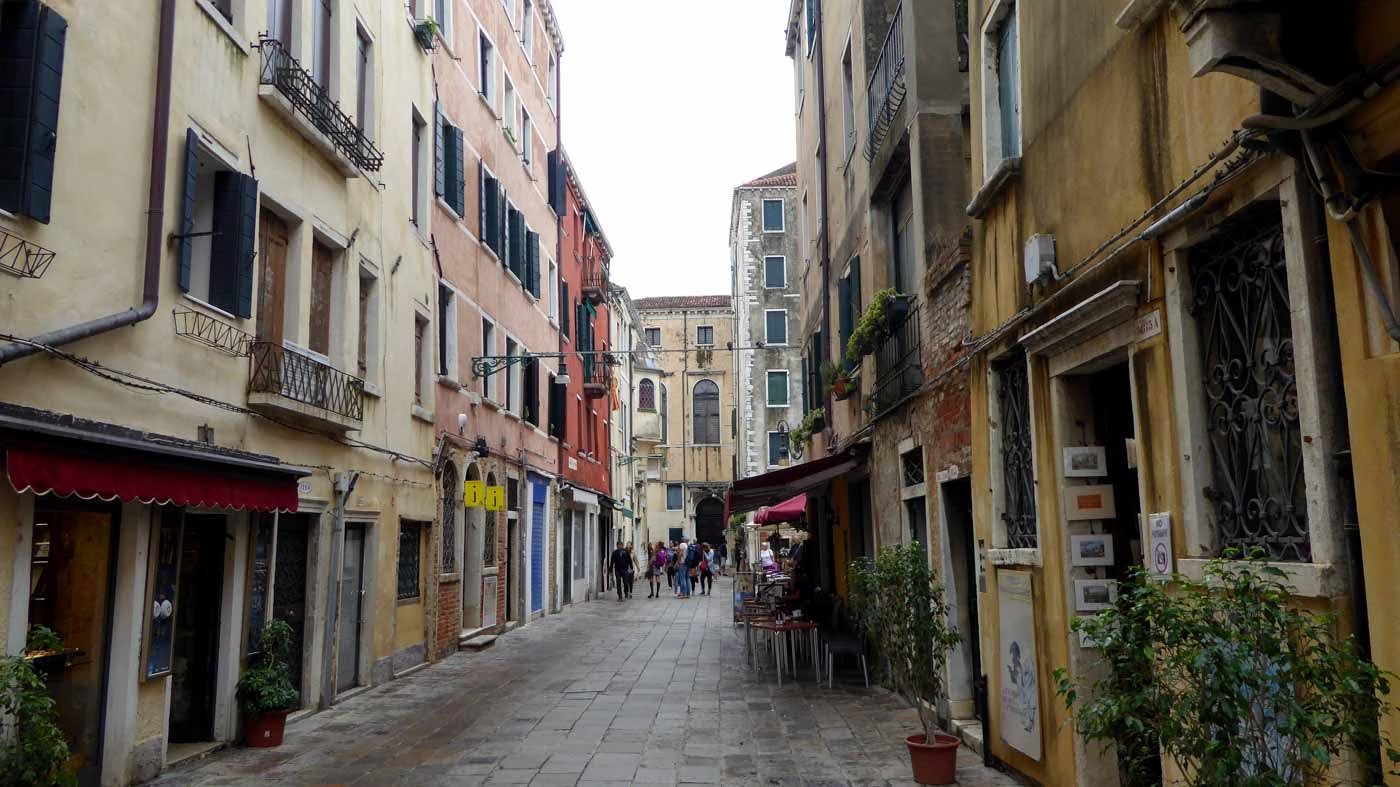
Photo credit: Wikimedia Commons licensed under Attribution-ShareAlike 4.0 International (no changes made)
During the era of the Jewish Ghetto, the area was home to a tightly-knit and vibrant community. Though space was limited — leading to densely packed streets and the iconic multi-story buildings that still define the neighborhood’s skyline — daily life was rich with activity. Residents worked as shopkeepers, merchants, artisans, and traders, and a strong sense of community connected them.
At the heart of community life was the synagogue, which served as far more than a place of worship. It was a gathering space where people came together to socialize, pass down cultural traditions, observe religious practices, and share knowledge across generations.
Synagogues and Religious Heritage
During the period of segregation, many people worshiped in synagogues hidden on the upper floors of buildings. Several synagogues from this period still remain, including the Scola Grande Tedesca, Scola Levantina, and Scola Spagnola. While their exteriors were often simple and unassuming, their interiors were beautifully decorated and visually striking.
Today, these synagogues stand as symbols of Venice’s rich Jewish culture. They have been preserved as important expressions of religious identity, with architecture and ritual continuing to play a central role.
Jewish Museum and Cultural Sites
A major highlight for anyone visiting the Jewish Quarter is the Jewish Museum of Venice and its historical collections. It is filled with interesting artifacts related to Judaism, such as manuscripts and other items from the community’s history. You may also come across Holocaust memorials and commemorative plaques.
It’s not just the Jewish Museum of Venice in Campo del Ghetto Novo that stands out. You may also find cool local bookshops, heritage stores, and cultural spaces that are well worth exploring.
Food, Traditions, and Local Experiences
Jewish-Venetian cuisine has been greatly influenced by the Jewish Ghetto’s history and cultural identity. Traditional dishes like fried artichokes and pastries, such as baked buricche, can be found across the area’s small eateries and local bakeries.
Unsure where to start your food exploration of Venice’s Jewish Quarter? A guided tour is the perfect introduction. You’ll be led around this compact area to sample the finest gastronomic delights, savor the rich Venetian-Jewish flavors, and learn about the Ghetto’s role in Venice.
Tours and Visitor Information
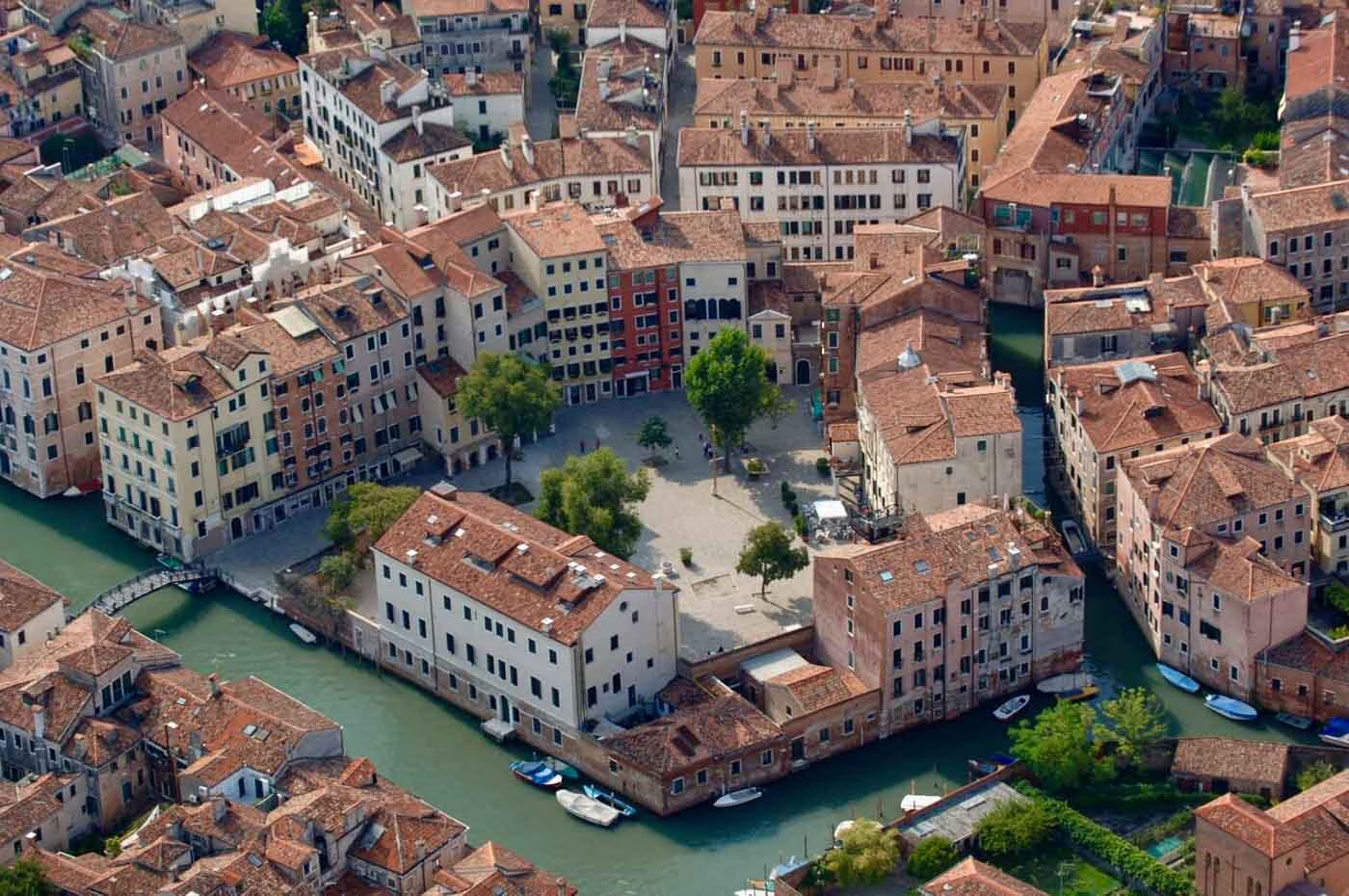
Photo credit: Wikimedia Commons licensed under Attribution-ShareAlike 4.0 International (no changes made)
If you’ve never been to a Jewish quarter before, you may be unsure how to plan your visit, but it’s not as complicated as it might seem.
One thing to note is that to visit some of the area’s main synagogues, you’ll need to join a guided tour, as this is often the only way tourists can enter. When you go, be respectful. As long as you are quiet and dress modestly, you’ll be fine.
While tickets for the Jewish Museum are available at the door, it’s better to buy them online in advance to avoid disappointment. Tours are recommended if you want to visit certain buildings that are only accessible with a proper guide.
The Jewish Ghetto is very walkable, as it’s quite small. You can easily visit all the main sites on foot. For those who want to come here by vaporetto, there are a number of stops nearby, including the Guglie stop.
Walking Tours and Itineraries
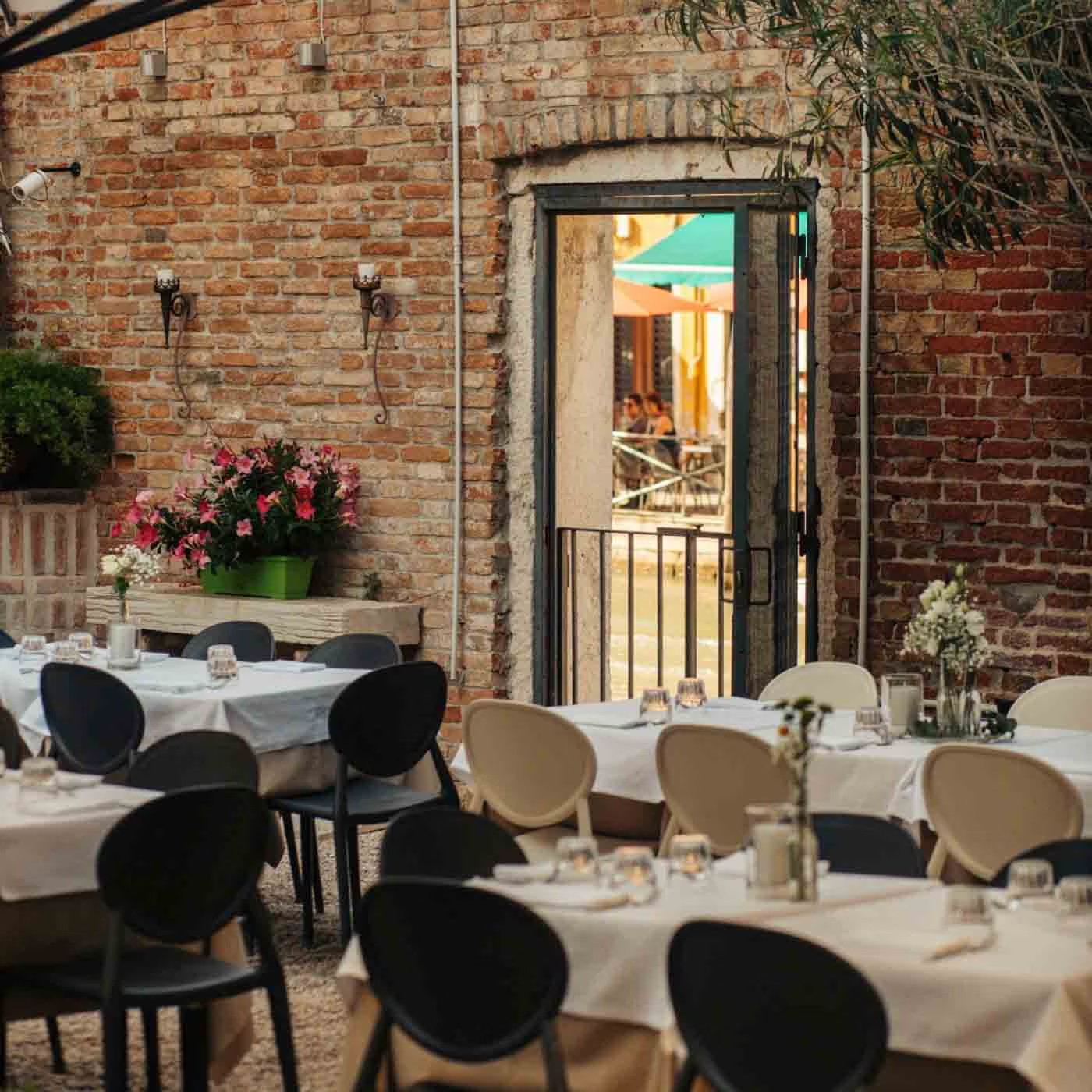
Photo credit: Ba Ghetto Ristorante Kosher
Half a day is a good amount of time to explore Venice’s Jewish Quarter. If you start in Cannaregio and walk into Campo del Ghetto Novo, this is a great way to visit the Jewish Museum and the surrounding synagogues. You’ll pass by plenty of canals, cafés, quiet corners, and nice kosher restaurants like Ba Ghetto Ristorante Kosher.
Sources:
Eating Europe. (n.d.). 5 best food markets in Venice. Eating Europe. Retrieved April 2, 2026, from https://www.eatingeurope.com/blog/venice-food-markets/
Eating Europe. (n.d.). Venice food tours. Eating Europe. Retrieved April 2, 2026, from https://www.eatingeurope.com/venice/
Ba Ghetto Venezia. (n.d.). Ba Ghetto Venezia restaurant. Retrieved April 2, 2026, from https://www.baghetto.com/ristoranti/ba-ghetto-venezia/


Eating Venice Food & Drinks Tour
See the side of Venice the guidebooks won't show you
- Daily
- 3 Hours
- Small Group

Already traveling in a large group or want something different? All our tours can be taken privately or we can create a tour just for you!
- Private tour