
Why Sant’Erasmo Is a Unique Lagoon Island
Have you ever heard of Sant’Erasmo? It’s the northernmost island in the Venetian Lagoon, but it’s not known for monumental palaces or canals like other parts of Venice. But rather for its lush, expansive fields, working farms, and rural character that feels completely different from the rest of the city.
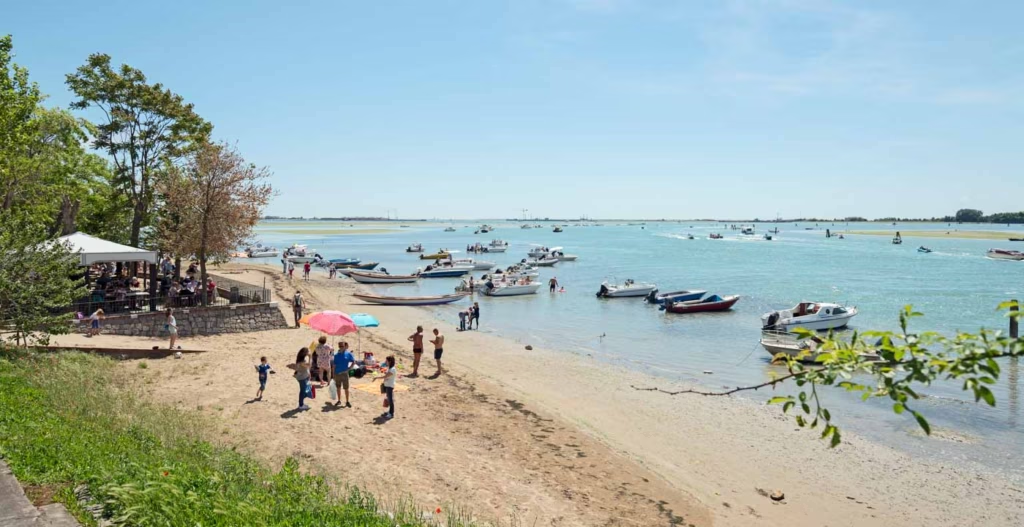
What I love about Sant’Erasmo is the nature. It’s filled with a mix of cultivated fields and quiet waterways. Fresh sea breeze regularly drifts in from the lagoon, and lovely orchards line the paths, and from time to time, you’ll hear the occasional sound of a passing boat drift across the water.
In the evenings, the sunset is best enjoyed by the lagoon and the working day on the farms winds down. It’s a slower pace that many visitors can appreciate after some time in central Venice.
If you’re wondering what Venice has to offer food-wise, our Venice Food Experiences and Venice Food Markets guide is a good place to start. When you’re researching, you’ll likely come across Sant’Erasmo too, as much of the city’s produce comes from here. So here’s what foodies can expect when they visit.
History and Geography
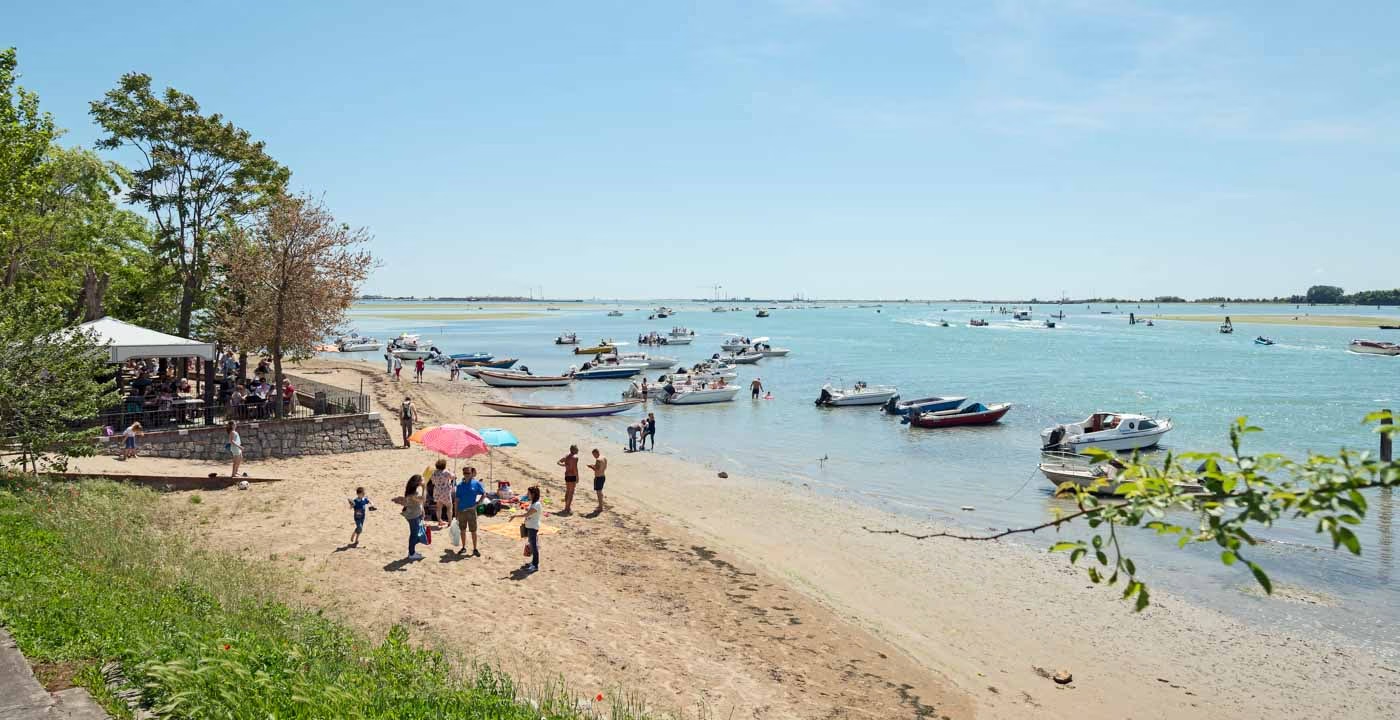
Photo credit: Wikimedia Commons licensed under Attribution-ShareAlike 4.0 International (no changes made)
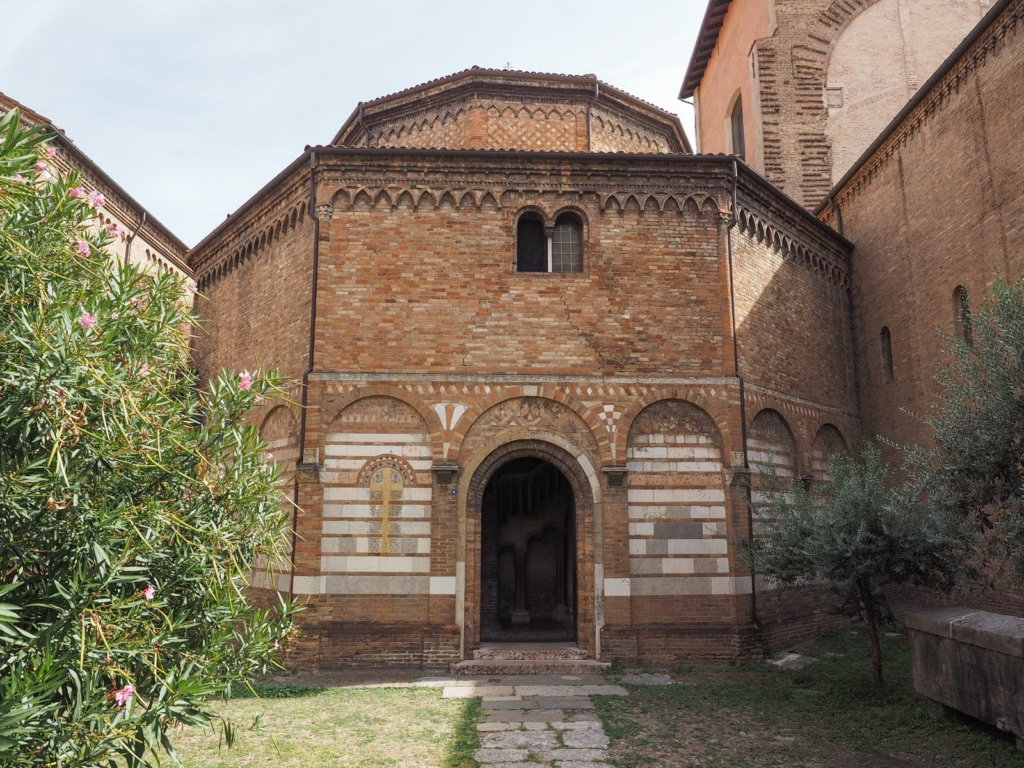
Sant’Erasmo has long been important for both agricultural and military purposes. The island lies close to Lido di Venezia, Murano, and Punta Sabbioni, which made it a strategic location within the lagoon. Its name comes from St. Erasmus, the patron saint of sailors.
Remnants of Sant’Erasmo’s military past can still be seen around the island today. One noticeable sign is the stone markers that were put down by the Republic of Venice to establish a boundary. There are also some breakwaters and sizable fortifications, such as the Torre Massimiliana.
Agriculture and Local Products
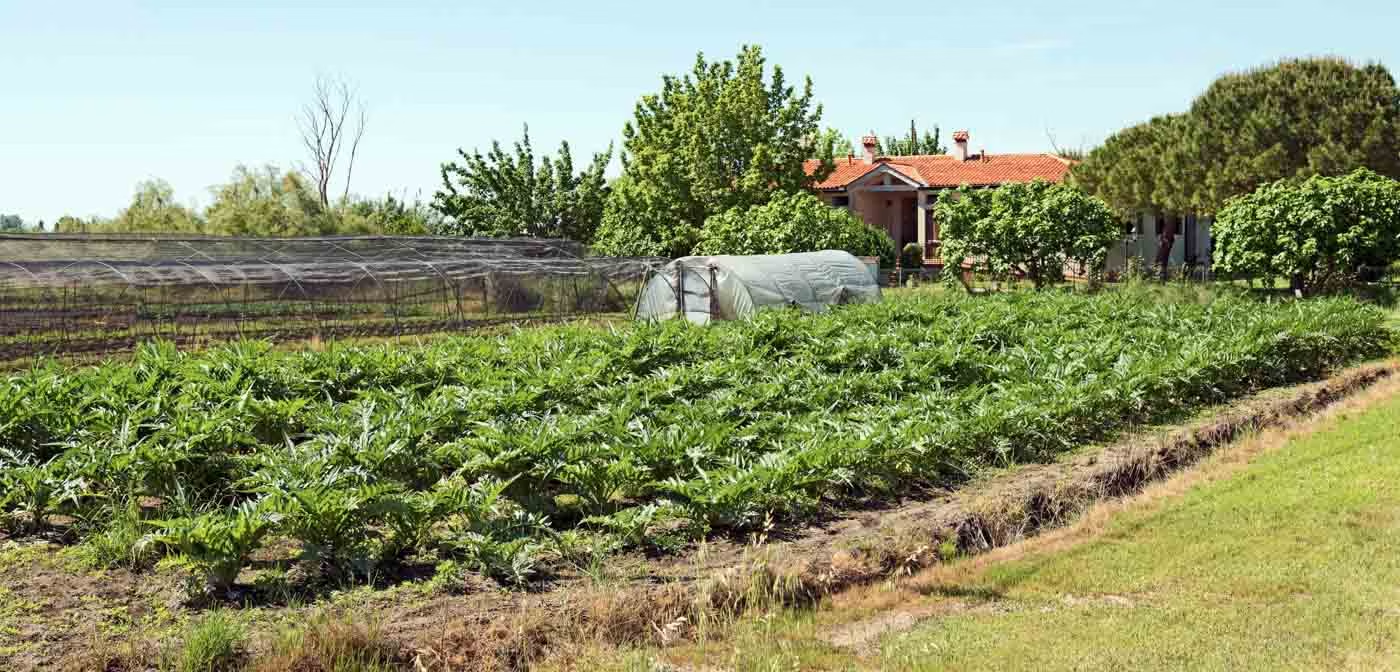
Photo credit: Wikimedia Commons licensed under Attribution-ShareAlike 4.0 International (no changes made)
Sant’Erasmo is best known for two things: the Carciofo Violetto di Sant’Erasmo, which is the violet artichoke, and its lush vineyards.
This particular artichoke is part of the Slow Food Presidium and is protected by the Consorzio del Carciofo Violetto di Sant’Erasmo. Projects like Osti in Orto also help to support local farmers and encourage the use of traditional, sustainable farming practices on the island.
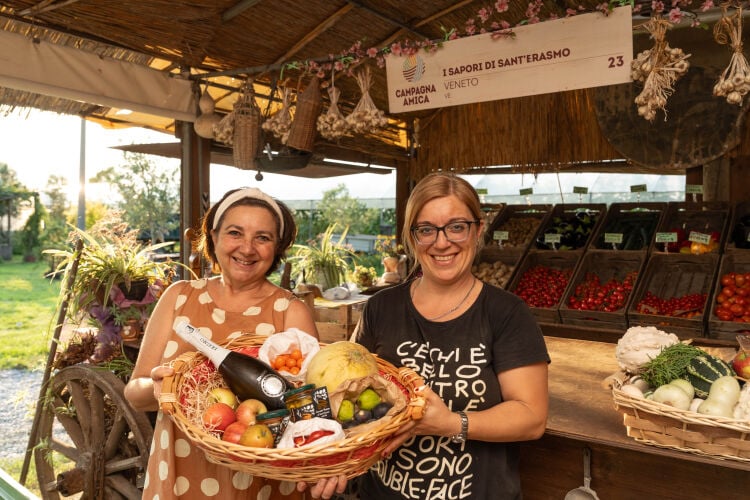
Besides artichokes, the island produces seasonal vegetables, salt marsh honey, grape must, and has some spectacular orchards. Sustainable and traditional agricultural practices have defined the island’s identity over the years, and it has become a must-visit for many food enthusiasts.
Festivals and Events
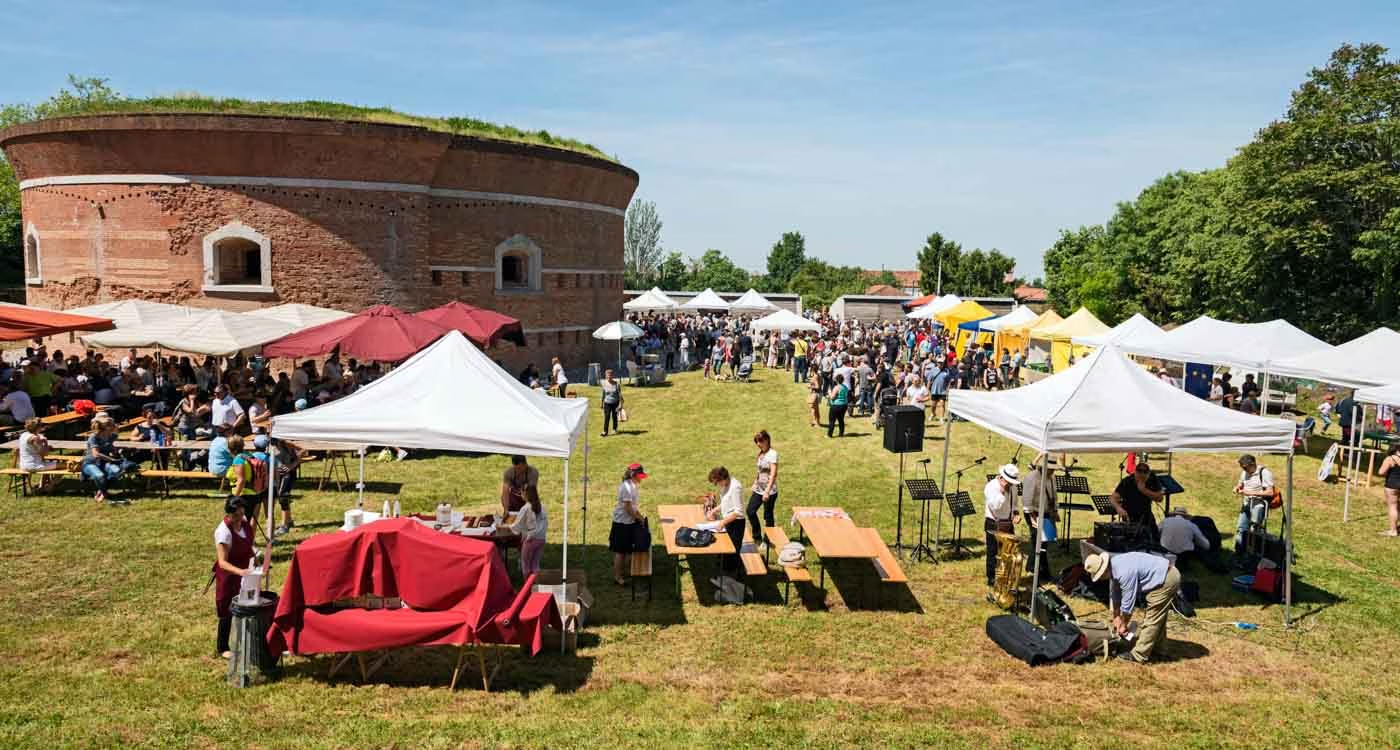
Photo credit: Wikimedia Commons licensed under Attribution-ShareAlike 4.0 International (no changes made)
Sant’Erasmo hosts several annual events that are well worth attending. The Festa del Carciofo Violetto usually takes place on the second Sunday of May. It’s the perfect time to try the island’s famous purple artichokes, as this particular event revolves around them.
In October, the Festa del Mosto celebrates the grape harvest and torbolino, a lightly fermented wine drunk during this month. Both festivals highlight the island’s local produce, traditions, and strong sense of community, with the historic Torre Massimiliana often serving as a picturesque backdrop for the celebrations.
How to Get There and Transportation
The best way to reach Sant’Erasmo is by taking the ACTV vaporetto line 13. You will have to request a stop along the way to get them to drop you off at the island. The main departure points are Fondamente Nove, and some connections are available from Murano. Once there, I advise you to hire a bike to get around as it’s the easiest way to explore and soak up the lagoon scenery.
Make sure to check public ferry schedules before you go. Departures from Fondamente Nove run from 4:35 am to 10:40 pm every day, and the trips back to the mainland start at 4:50 am, with the final of the day at 11:40 pm.
Local Experiences and Tourism
I always tell people who join our tours who are interested in visiting Sant’Erasmo that it’s all about slowing down and chilling out there. Agriturismi, relaxed food tours, kayaking, and sustainable experiences are the main draws. You can even meet farmers directly, try a glass of local wine or two, and pick up handicrafts along the way.
There are a number of biking routes around the fields and orchards that are also popular. A handful of trattorias like Al Bacan serve simple, local dishes that will introduce you to the island’s culinary scene.
What to See and Do
You can pack a lot into a visit to Sant’Erasmo in a relatively short space of time. My favorites are old fortifications like the Massimiliana Tower, the stunning Bacàn beach on the southern end of the island, and the beautiful Church of Cristo Re.
For the best views, take a walk along the serene canals, which are also perfect for rowing, boating, and kayaking. Travelers also sometimes like to go birdwatching and rent a bike for a cycle around the island. If you’re into photography, there’s no better place to capture beautiful shots of nature.
Accommodation and Where to Stay
If you plan on staying in Sant’Erasmo for a night, there are a handful of options, such as Lato Azzurro, which is on the higher end of the scale. Or, for somewhere more budget friendly on the mainland, Hu Venezia Camping in Town is more affordable.
These places are well located and will set you up nicely for visiting Sant’Erasmo. Lato Azzurro is close to sights like the Torre Massimiliana and beaches such as Bacàn, and Hu Venezia Camping in Town is a quick boat ride away.
Sources:
Eating Europe. (n.d.). Venice food tours. Retrieved April 3, 2026, from https://www.eatingeurope.com/venice/
Eating Europe. (n.d.). Venice food markets: A guide to the best markets in Venice. Retrieved April 3, 2026, from https://www.eatingeurope.com/blog/venice-food-markets/
Al Bacàn. (n.d.). Al Bacàn [Facebook page]. Facebook. Retrieved April 3, 2026, from https://www.facebook.com/al.bacan.92
Hotel Lato Azzurro. (n.d.). Hotel Lato Azzurro. Retrieved April 3, 2026, from http://www.latoazzurro.it/


Eating Venice Food & Drinks Tour
See the side of Venice the guidebooks won't show you
- Daily
- 3.5 Hours
- Small Group

Already traveling in a large group or want something different? All our tours can be taken privately or we can create a tour just for you!
- Private tour