The hardest brief we get from corporate organisers is the second visit.
The first visit brief is easy. The group has never been to Florence. You take them to the Duomo, you arrange a guided Uffizi, you book a candlelit dinner with a view of the Arno, and you hand them a list of three or four good neighbourhood lunches. Everyone goes home pleased.
The second visit brief is the one that makes you sweat. The group has done the Uffizi. They have stood in the Piazza del Duomo. They have bought leather at San Lorenzo, walked the Ponte Vecchio at sunset, and posted the obligatory photos of the David. They are coming back, for an offsite, a partners’ retreat, an executive trip, a milestone celebration, and the request from the senior person in the room is some version of: show us what we missed.
This is what they missed.
The principle: stop trying to compete with the obvious
The mistake is to try to find a more impressive Duomo, a more exclusive Uffizi, a more secret rooftop. Florence has spent a thousand years building its centre and you are not going to beat it on its own terms. What you do instead, when the group is on its second or third visit, is move outside the central circuit entirely. The dinners go up the hill. The day trips go out into Chianti. The evening experience goes inside a private kitchen tour, a working cellar, or a family palazzo. The whole geography of the trip shifts.
There are three categories of experience that consistently land for corporate groups, plus a small handful of premium tables inside the city that justify the price tag for a milestone night. Below is what we’d build a real second visit Florence trip around.
Up the hill: dinner in Fiesole
Fiesole is a small Etruscan town on the hillside above Florence, fifteen minutes from the city centre by car. From its main piazza you look down on the entire skyline. The Duomo dome at eye level in the middle distance, the Arno catching the last light, the cypress hills falling away on either side. Florentines have been coming up here for dinner for two hundred years, the way New Yorkers go to the Hudson Valley.
For a corporate group on a second visit, Fiesole at dinner is the trip. The drive up is fifteen minutes. The view is the most photographed in Tuscany. The restaurants are almost entirely family run trattorie that have been there for generations. The kind that close at 11pm because the owner is going home to bed, not because the kitchen has run out of energy. La Reggia degli Etruschi, just below the main square, has the famous terrace. Smaller places tucked into the side streets feed the locals on a Tuesday night.
The framing for the group: this is what Florentines do for a special dinner. You’re not eating where the tourists eat. You’re eating where the people who own the restaurants the tourists eat at go on their day off.
Out of the city: a Chianti day trip that earns the day
The Chianti countryside south of Florence is a 35 minute drive that takes a corporate group from the centre of a beautiful city to the centre of a wine region that matches it. For a group on a second visit, a full day in Chianti is the cleanest single decision you can make about the itinerary. Three stops, in order:
Greve in Chianti for the morning. The piazza is the heart of the town, surrounded by a colonnaded loggia. Antica Macelleria Falorni has been a butcher in this square since 1729, eight generations, and its salami room (cured meats, wine tastings, charcuterie boards) is a corporate group dream. The wine dispensing machine at the back of the shop, where you buy a card and pour your own tastes from forty bottles, is more entertaining than it has any right to be. Allow ninety minutes.
Lunch at Solociccia or Officina della Bistecca in Panzano. Both are operated by Dario Cecchini, the most famous butcher in Italy and a small scale Tuscan celebrity. The lunches are theatrical, abundant, and meat heavy: a fixed menu of four or five courses, communal seating, no choices. For an executive group it is the easiest “memorable lunch” decision you’ll make all year. Book six weeks ahead. (Vegetarian groups should choose a different Chianti lunch. Cecchini’s is a meat experience.)
Cantine di Verrazzano for the afternoon. A working winery and one of the oldest estates in the region, with a guided tour through wine cellars and a structured tasting. The grounds are beautiful, the wines are serious, and the format works for groups of any size from six to forty. Allow two hours for the tasting, plus the drive back to Florence.
A day in Chianti structured this way takes the group out of the city by 9am, has them at the Falorni shop by 10, lunch at Cecchini’s by 1, and the Verrazzano tasting wrapped by 5pm. They’re back in Florence in time to change for dinner. It’s the corporate Florence day every group remembers.
Inside the city: the premium Florence table
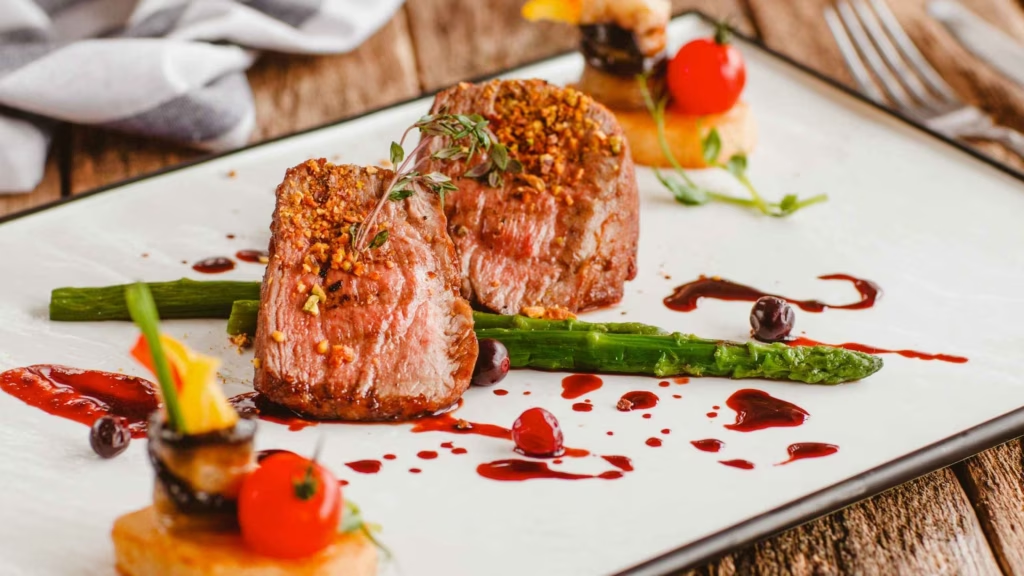
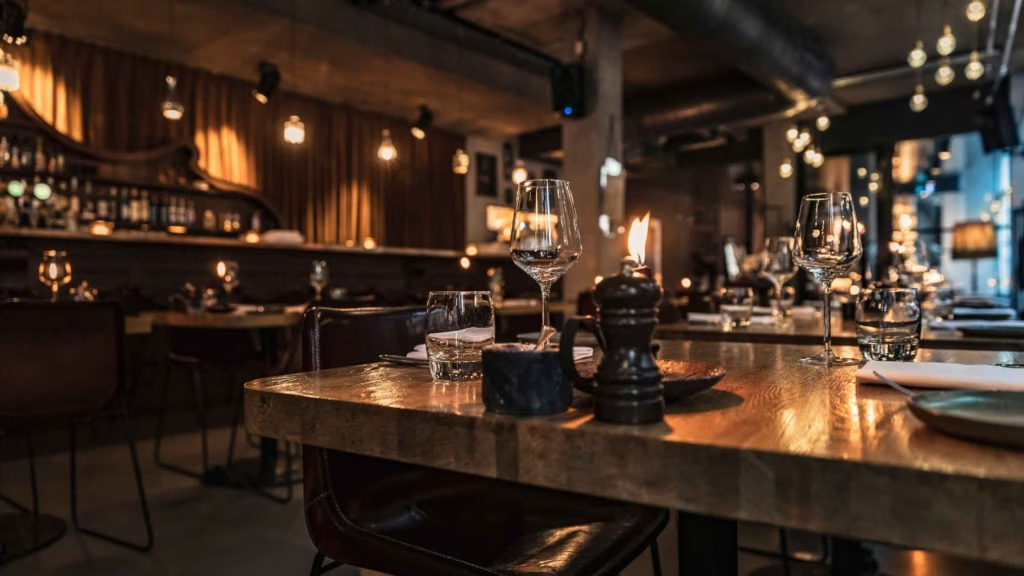
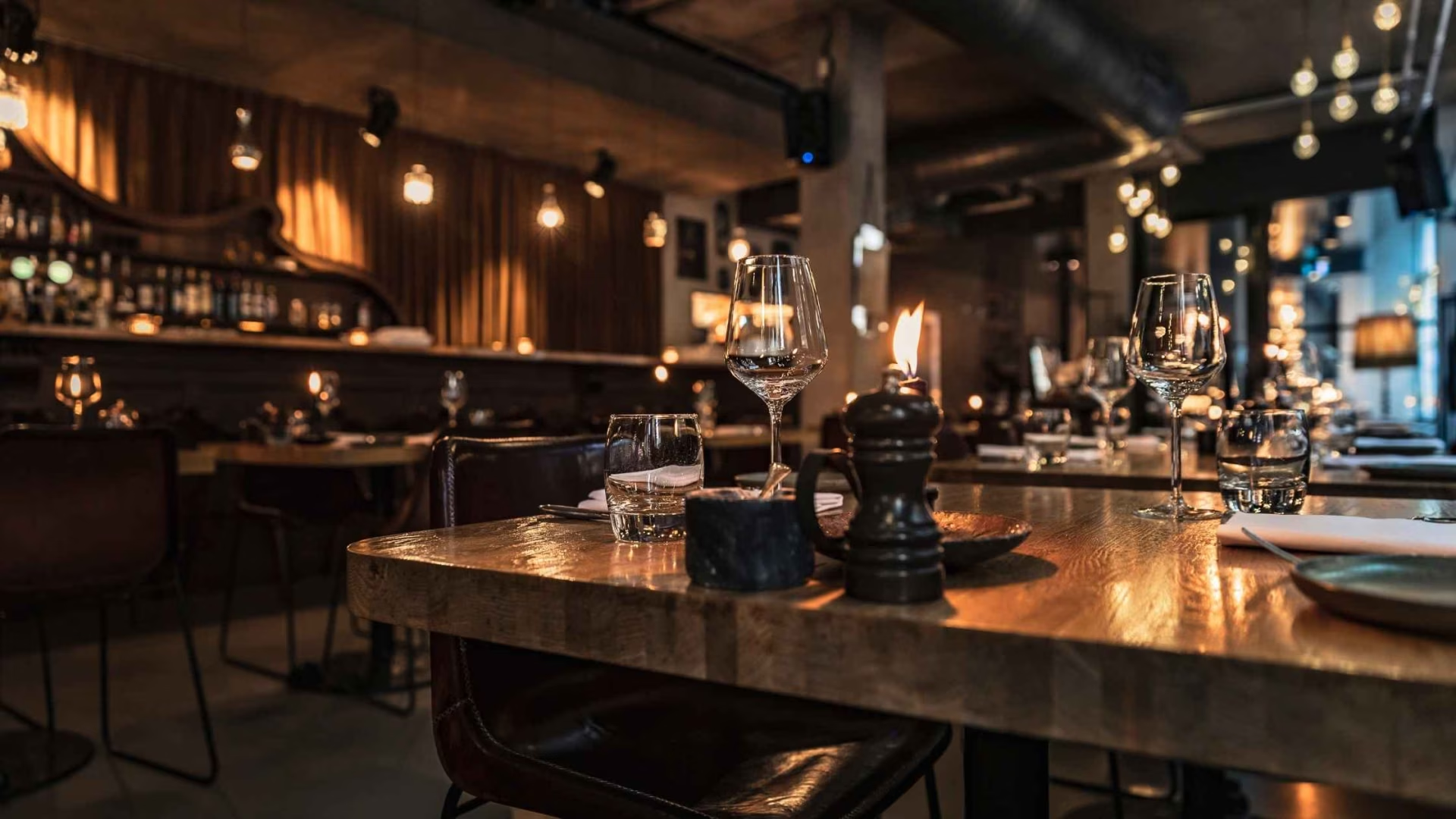
For the milestone dinner, anniversary trip, signing celebration, executive welcome, Florence has a small group of restaurants that sit at a level above everything else in the city. The most striking of them is Santa Elisabetta, inside the Hotel Brunelleschi. The dining room is built into a 6th century Byzantine tower attached to the hotel, with a view of the Duomo from the windows. Two Michelin stars. A degustation menu that takes three hours. The kind of room that makes a chairman’s birthday dinner feel like the right amount of effort.
Other premium options worth knowing: Il Palagio at the Four Seasons (one Michelin star, a working garden, a dining room that opens onto the loggia in summer), La Leggenda dei Frati in a cloister near Piazzale Michelangelo with a view back across the river, and Borgo San Jacopo at the Hotel Lungarno with a small terrace directly over the Arno. None of these are walk in restaurants. All of them require booking three to six weeks in advance for a group, and longer in high season.
For a corporate group at this level the choice usually comes down to setting. Santa Elisabetta is the architectural drama. La Leggenda dei Frati is the cloister and view. Borgo San Jacopo is the river. Il Palagio is the garden. Pick by what kind of evening you’re trying to give them.
Private and group experiences inside Florence itself
There’s a fourth category, which sits between the city and the countryside. Private experiences inside Florence that aren’t on any tourist itinerary because they’re not available to walk in visitors. A few that work consistently for corporate groups:
A private market tour and lunch that starts at Sant’Ambrogio market in the early morning, walks the produce and meat counters with a chef, then sits down to lunch in a working trattoria where the chef cooks what was bought.
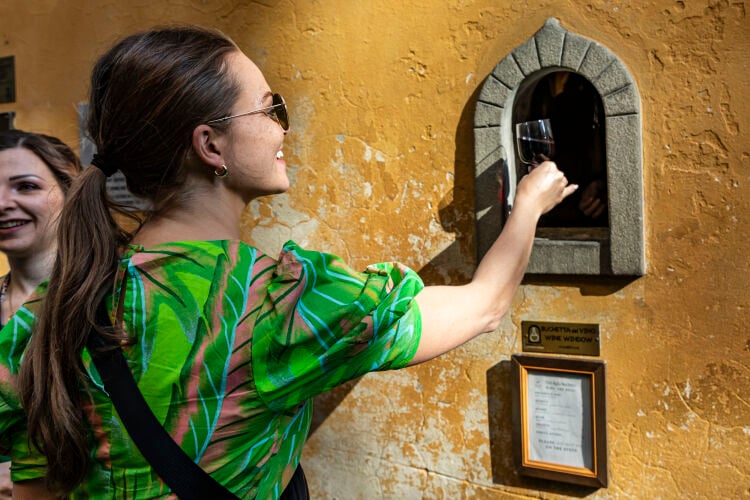
A private cellar dinner on the other side of Florence in the Oltrarno, in one of a handful of family owned wine bars with vaulted brick basements that are open for private groups only. Five or six courses, paired wines, the family at the table.
A truffle hunt and lunch in the hills above Florence with a tartufaio and his dogs, in season (October to December, March to May), followed by lunch at a country farmhouse where what you found that morning is shaved over the pasta.
A private cooking class in a Tuscan villa outside the city, ending in a long lunch on the terrace. Easy logistics, beautiful setting, a usable corporate group photo at the end of it.
Each of these is the kind of experience that doesn’t show up in the standard Florence itinerary because it requires relationships with the families and craftspeople involved. They’re also the experiences that lift a second visit trip from a confirmation of what the group already knew about the city to a genuine new layer of it.
How we find these places
Every Florence food experience we put on a tour comes through the same process. Our local team of guides and producers who actually live and work in this city and the Chianti hills bring tips back from neighbours, regulars, suppliers, and the families running the restaurants and estates themselves. From there it’s a lot of dinners and a lot of long lunches.
We work through a place repeatedly, on quiet weekdays and full Saturdays, before we’d ever bring a corporate group. Many of the families and producers we work with have been part of our private tours for more than a decade. We’ve walked every Florence and Chianti route on this list, often enough to know what an off day looks like and whether the kitchen recovers. The relationships are the part that takes years and the part we can’t fake.
Frequently asked questions
What’s the best restaurant in Florence for a corporate dinner?
For a milestone or signing dinner with executives, the small group of premium tables that consistently come up are Santa Elisabetta (two Michelin stars, in a 6th century tower with a Duomo view), Il Palagio at the Four Seasons (one Michelin star, garden setting), La Leggenda dei Frati (cloister near Piazzale Michelangelo), and Borgo San Jacopo (terrace over the Arno). All require booking three to six weeks ahead for a group.
How far in advance should I book a corporate group experience in Florence?
For premium restaurants and private cellar dinners, six weeks is the working minimum and three months is more comfortable, especially for groups over twelve. Cecchini’s lunch in Panzano books out months ahead in high season. Private cooking classes in Tuscan villas need at least a month’s notice. The earlier the better. Most of the operators we work with prioritise repeat clients over new bookings when calendars are tight.
Can a Florence corporate trip be done as a day trip from a meeting elsewhere in Italy?
Realistically, no. Florence is two hours from Rome by train and ninety minutes from Bologna, but the experiences that justify a corporate visit (Chianti, Fiesole, the premium tables) all need a minimum of one full day on the ground. Two nights is the working minimum for a meaningful second visit trip.
Are these experiences vegetarian and vegan friendly?
Most of them, yes. Tuscan cooking has a deep vegetarian tradition (ribollita, pappa al pomodoro, panzanella, the bean and grain dishes) and most of the trattorie and premium restaurants accommodate well. Cecchini’s lunch in Panzano is the major exception (it is specifically a meat experience). For groups with multiple dietary requirements we’ll ask up front and route around them.
How big a group can you accommodate?
Group sizes from six to around fifty work cleanly across most of the experiences in this guide. Above fifty we split into parallel groups with synchronised timings, which works particularly well for private market mornings and cooking classes. Smaller is generally better for the premium tables and the cellar dinners; the day trip experiences in Chianti scale comfortably.
Sources
Eating Europe. (n.d.). Florence food tours. https://www.eatingeurope.com/florence/
Eating Europe. (n.d.). Florence private tours. https://www.eatingeurope.com/florence/private-tours-florence/
Eating Europe. (n.d.). The other side of the city food tour. https://www.eatingeurope.com/florence/the-other-side-of-the-city-food-tour/
Eating Europe. (2026, February 12). A local’s guide to wine bars in Florence. https://www.eatingeurope.com/blog/wine-bars-in-florence/
Eating Europe. (2026, February 12). Oltrarno, Florence: A local guide. https://www.eatingeurope.com/blog/oltrarno-florence/
Eating Europe. (2026, February 12). Florence Sant’Ambrogio market vs Mercato Centrale. https://www.eatingeurope.com/blog/florence-santambrogio-market-vs-mercato-centrale/
Il Palagio Ristorante. (n.d.). Il Palagio Ristorante. https://www.ilpalagioristorante.it/
La Leggenda dei Frati. (n.d.). La Leggenda dei Frati. https://laleggendadeifrati.it/
Lungarno Collection. (n.d.). Borgo San Jacopo restaurant. https://www.lungarnocollection.com/borgo-san-jacopo/
Ristorante Santa Elisabetta. (n.d.). Ristorante Santa Elisabetta. https://www.ristorantesantaelisabetta.it/

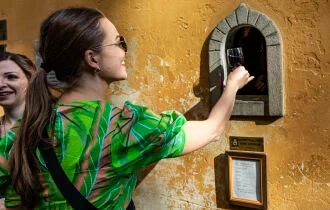
Florence Sunset® Food & Wine Tour
An unforgettable evening filled with wines, fresh pasta, cocktails and an exclusive wine cellar experience.
- Daily
- 3.5 Hours
- Small Group
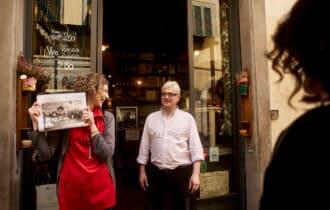
Florence Food & Local Flavors Tour
An intimate culinary experience through Oltrarno, among Tuscan flavors and legendary local hosts
- Mon-Sat
- 3 Hours
- Small Group
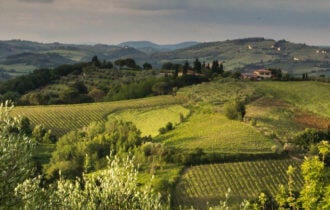
Tuscany Truffle Hunt: A Culinary Adventure
A gourmet culinary adventure with a multi-course meal in the Tuscan countryside.
- 5 Hours
- Small Group