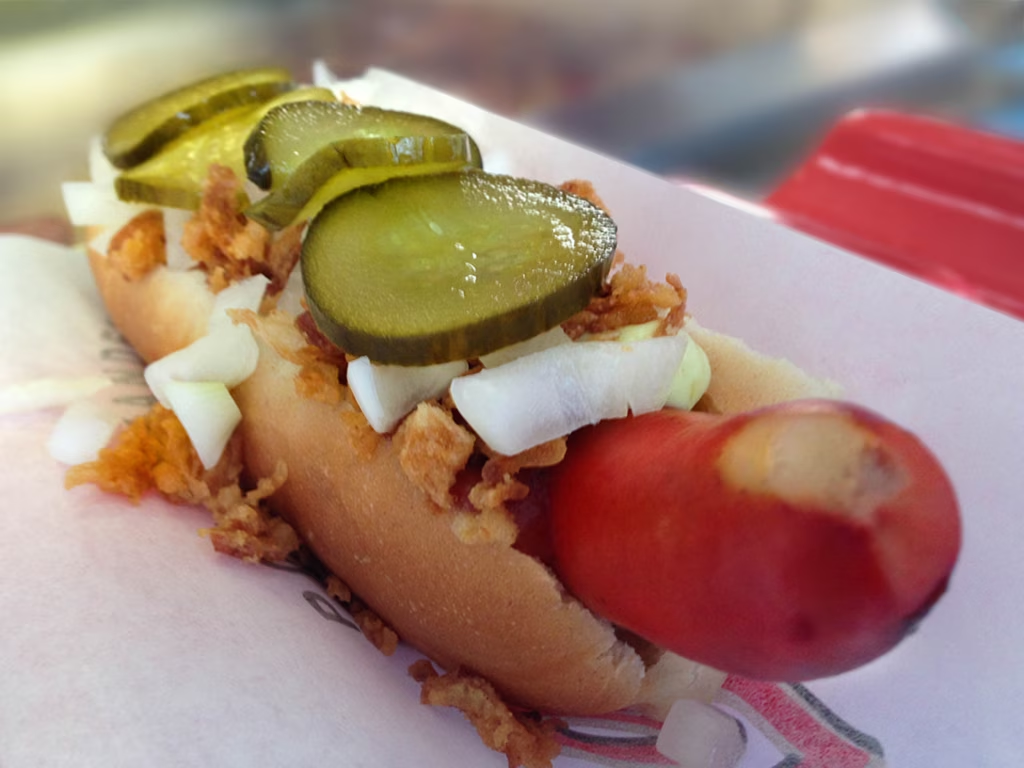


Have you ever heard of the Danish hot dog in Copenhagen? While hot dogs are most commonly associated with Germany, Denmark has its own distinct version, which is a steamed or grilled red sausage (rød pølse) served in a bun with a specific set of classic toppings.
What Is a Danish Hot Dog?
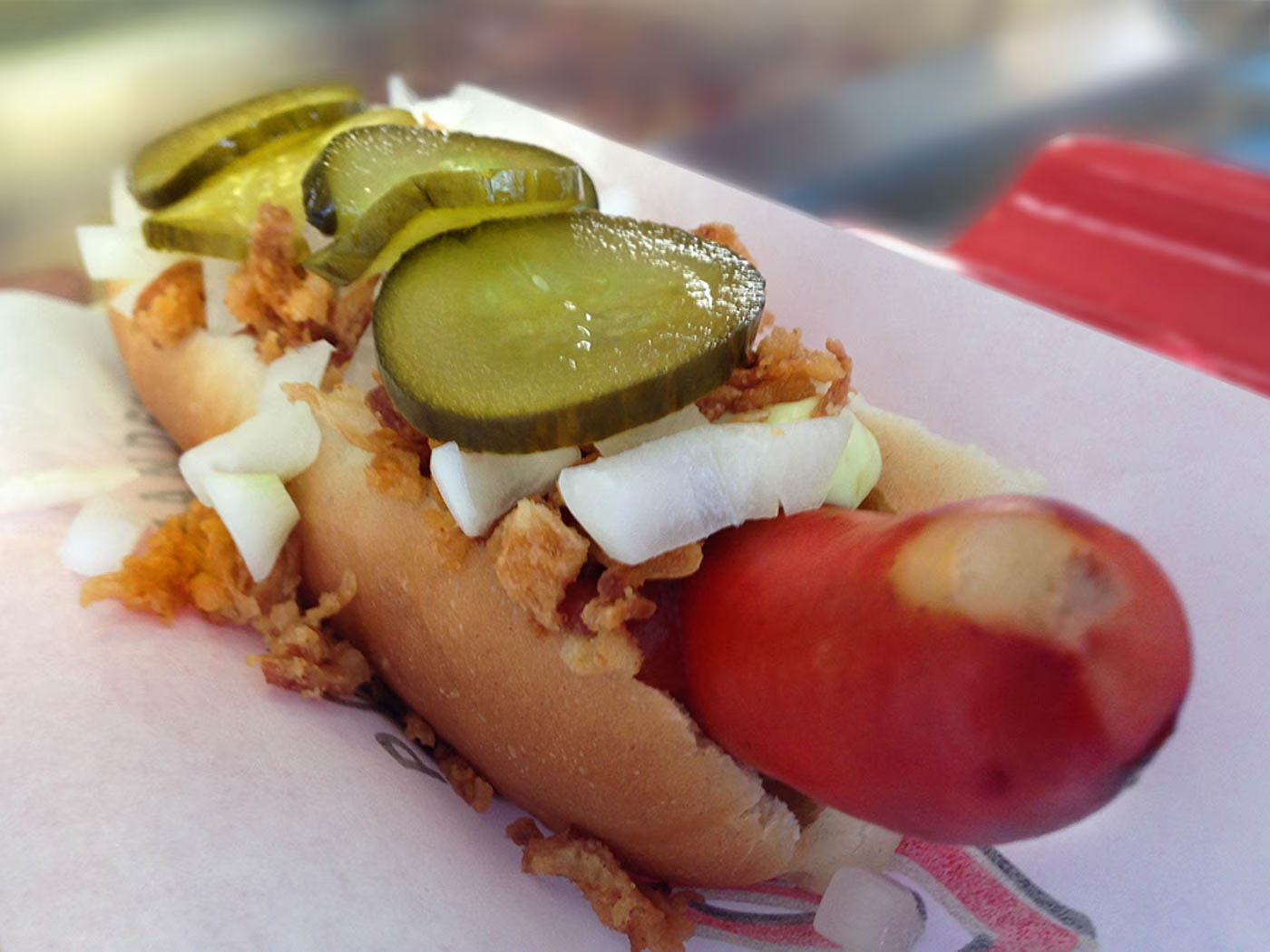
Photo credit: FrugalGlutton.com licensed under Attribution 2.0 Generic (no changes made)
You might assume the Danish hot dog is similar to other hot dogs, but it’s quite different. The toppings are very specific, the sausage is red, and the order in which the condiments are layered matters far more than it does with other varieties.
The proper name for the Danish hot dog is pølse, which is how it appears on menus. When ordering, you can pronounce it as ‘pul-suh’ and the staff will understand you perfectly.
These hot dogs that we take people to try on our Copenhagen food tours are a street snack that cuts across class, age, and occasion in Danish culture. Demand for them across most major cities is high, so you’ll find them sold in a wide variety of locations. This article covers all the important details about this beloved snack and will likely tempt you to try one for yourself.
Why the Danish Hot Dog Is a Copenhagen Institution
The Danish hot dog plays a significant role in Copenhagen’s street food culture. The pølsevogn cart has been a huge aspect of Copenhagen life for more than a century. You’ll find them on street corners, at train stations, along harbor edges, in late-night queues, and everywhere else in between.
As you approach a cart, the first thing you usually hear is the snap of the red sausage casing as the cook serves the next order with a vinegary hit of the onions and a warm brioche bun.
No matter the time of day, you’ll see a mix of people stopping by. Some grab a quick hot dog as a familiar lunchtime staple, others return late at night as part of a post-bar ritual.
The History of the Pølsevogn
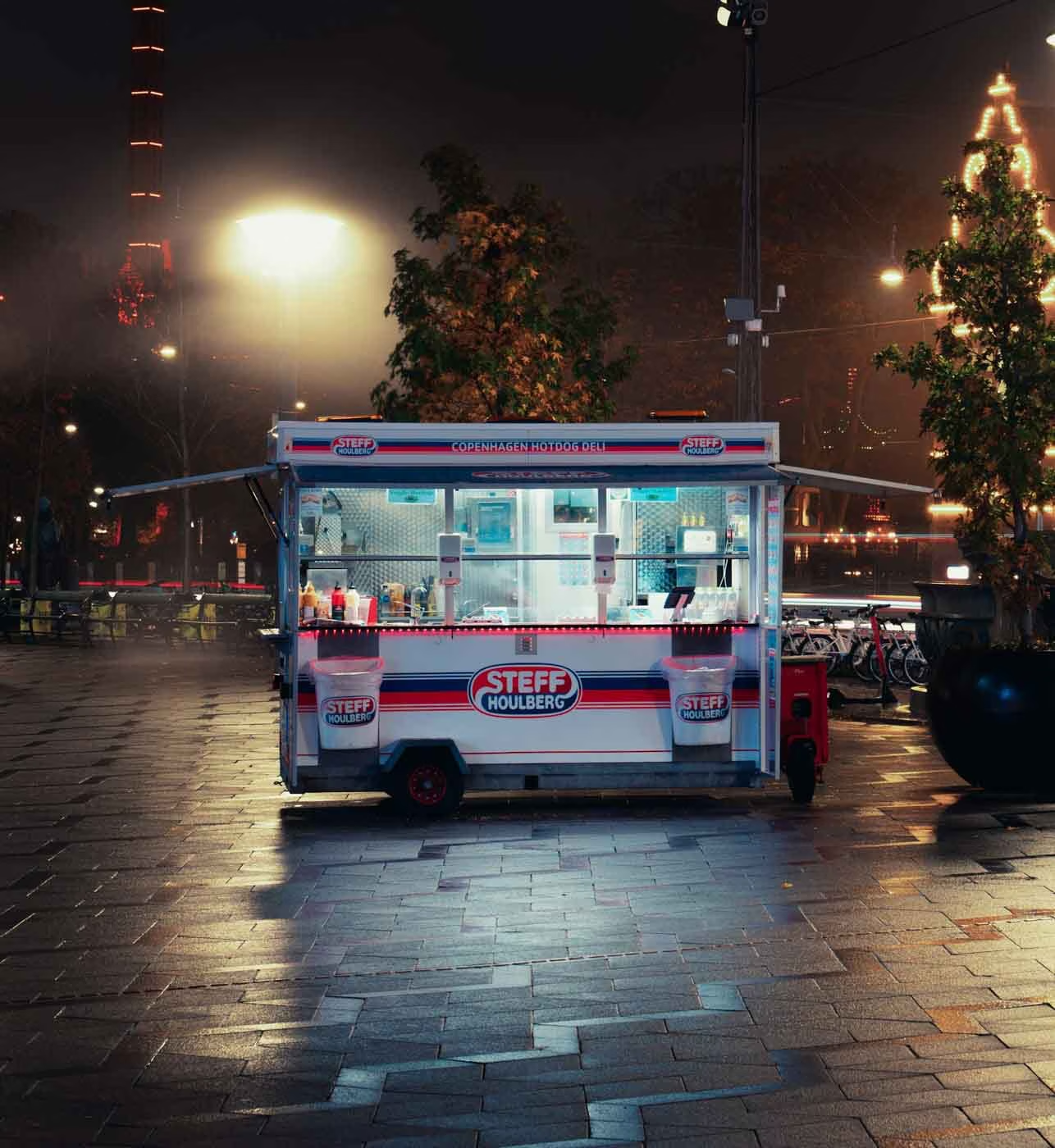
The history of pølsevogn can be traced back to the early 20th century in Copenhagen, where the hot dog cart became an integral part of post-war working-class street life. It was a place to grab a low-cost snack and socialise with others, and it came to be seen as a true symbol of the city.
Before long, pølsevogn carts spread beyond Copenhagen into other cities, evolving from simple street food stalls into licensed and regulated institutions. At their peak, there were more than 700 carts operating across the country.
Their numbers have declined significantly since then, but there’s now a renewed appreciation for the carts, resulting in an unexpected and welcome revival.
What Goes on a Danish Hot Dog?
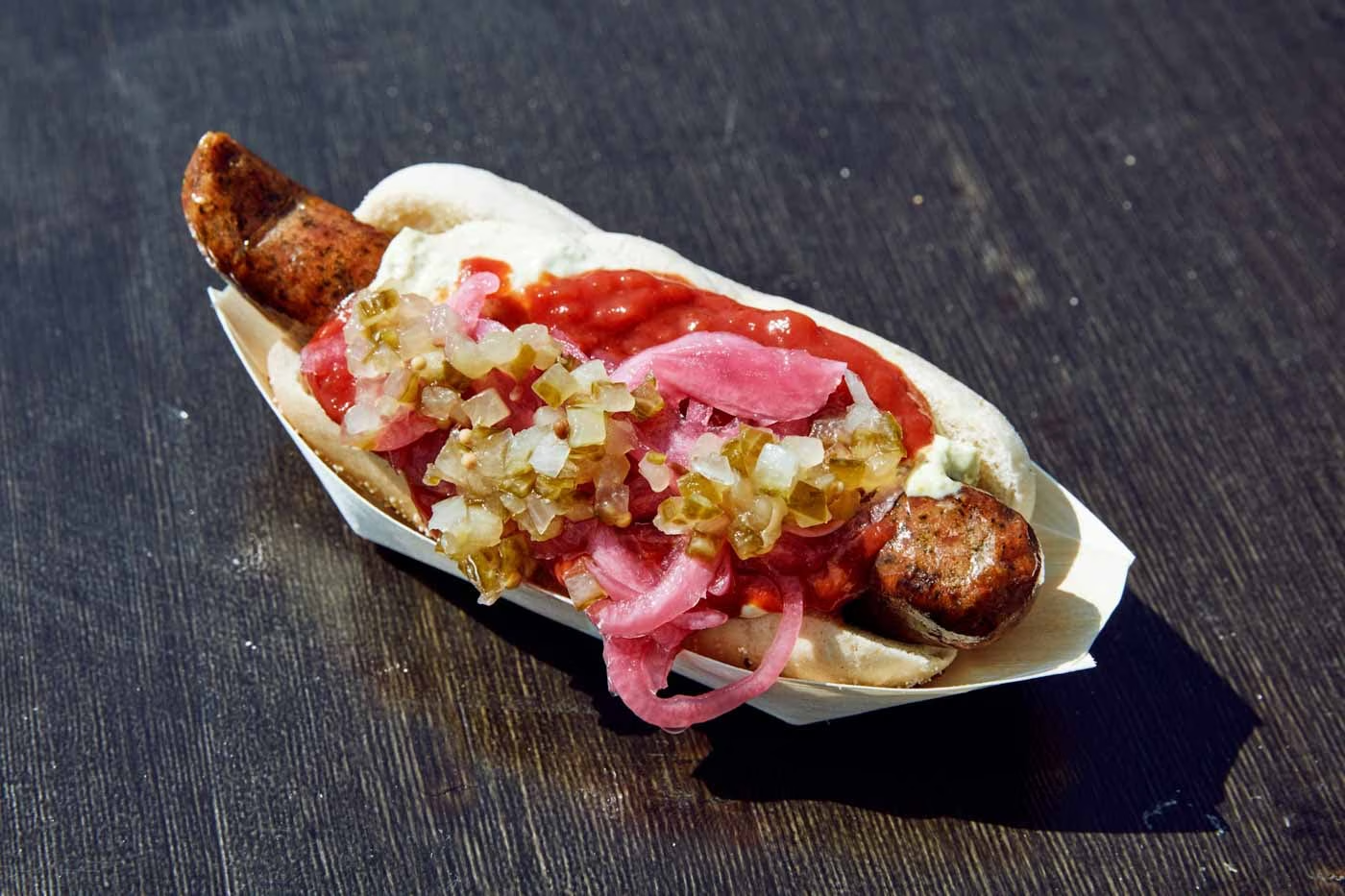
A few classic toppings define the Danish hot dog. The main component is the rød pølse. This is the iconic red sausage, which is boiled and has a sweet, lightly smoky flavor. Then the chef will add a few standard toppings, such as remoulade, mustard, ketchup, crispy onions, and pickled cucumber.
The bun must be soft, slightly sweet, and always served warm, which many Danes would argue is a non-negotiable. Another thing that matters is the order in which the condiments are added. Traditionally, the sausage goes in first, and the toppings are layered on top.
Pølsevogn Culture: Eating at a Copenhagen Hot Dog Cart
A stop at a Danish hot dog cart has become one of my favorite Copenhagen rituals. It begins the moment you arrive at the cart, where people are gathered around standing tables and a menu lists the main options and sides.
All you need to say is ‘pul-suh-vown,’ and the chef will ask how you’d like it, and ask what toppings and sides you want. After placing your order, you wait at the side or at a free-standing table. When it’s ready, the staff will call you.
Standing is a central part of the experience, which is why it’s so social. People often share tables and strike up conversations with one another. You’ll find all sorts of characters at these carts, from workers to night owls.
Where to Find the Best Danish Hot Dog in Copenhagen
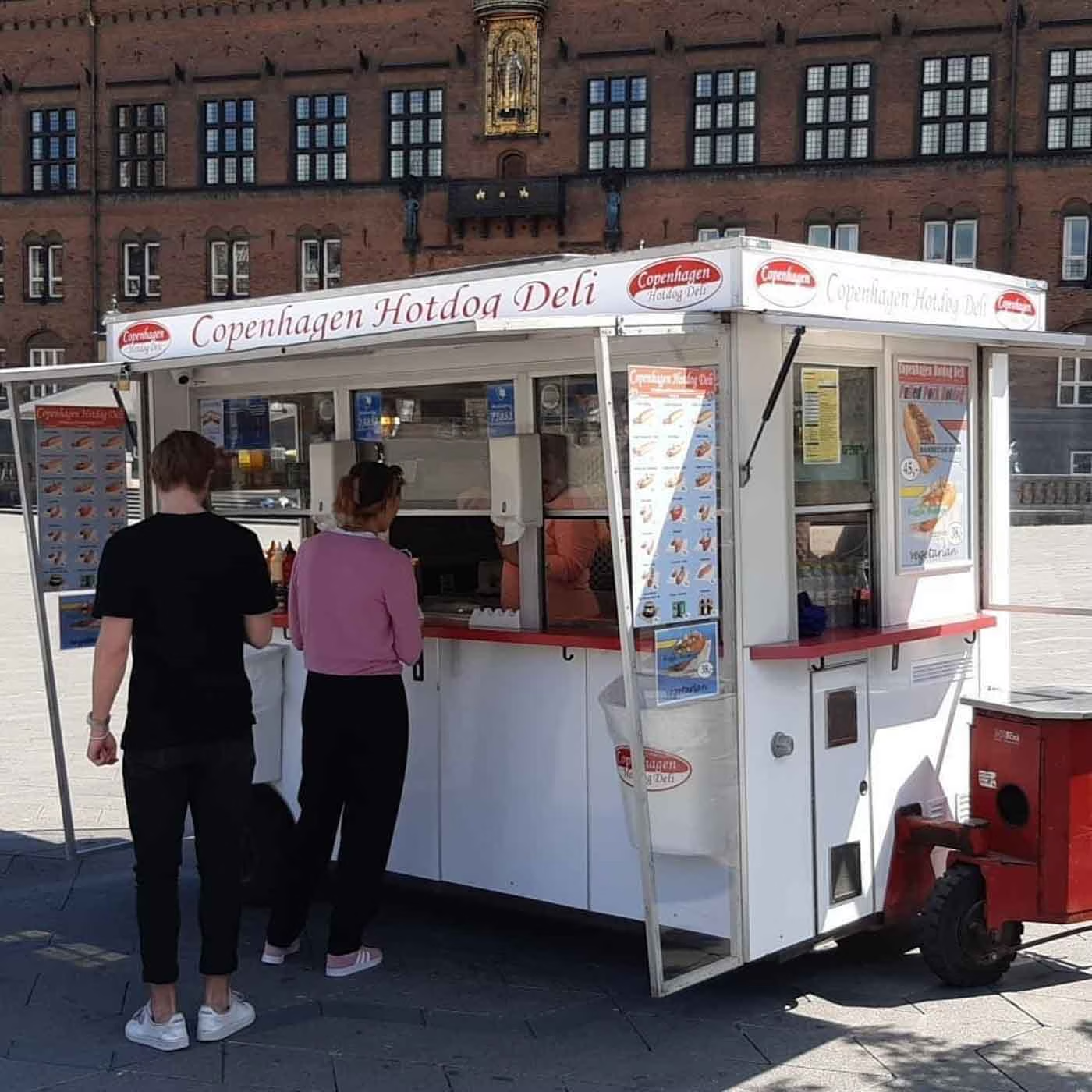
Photo credit: Copenhagen Hotdog Deli City
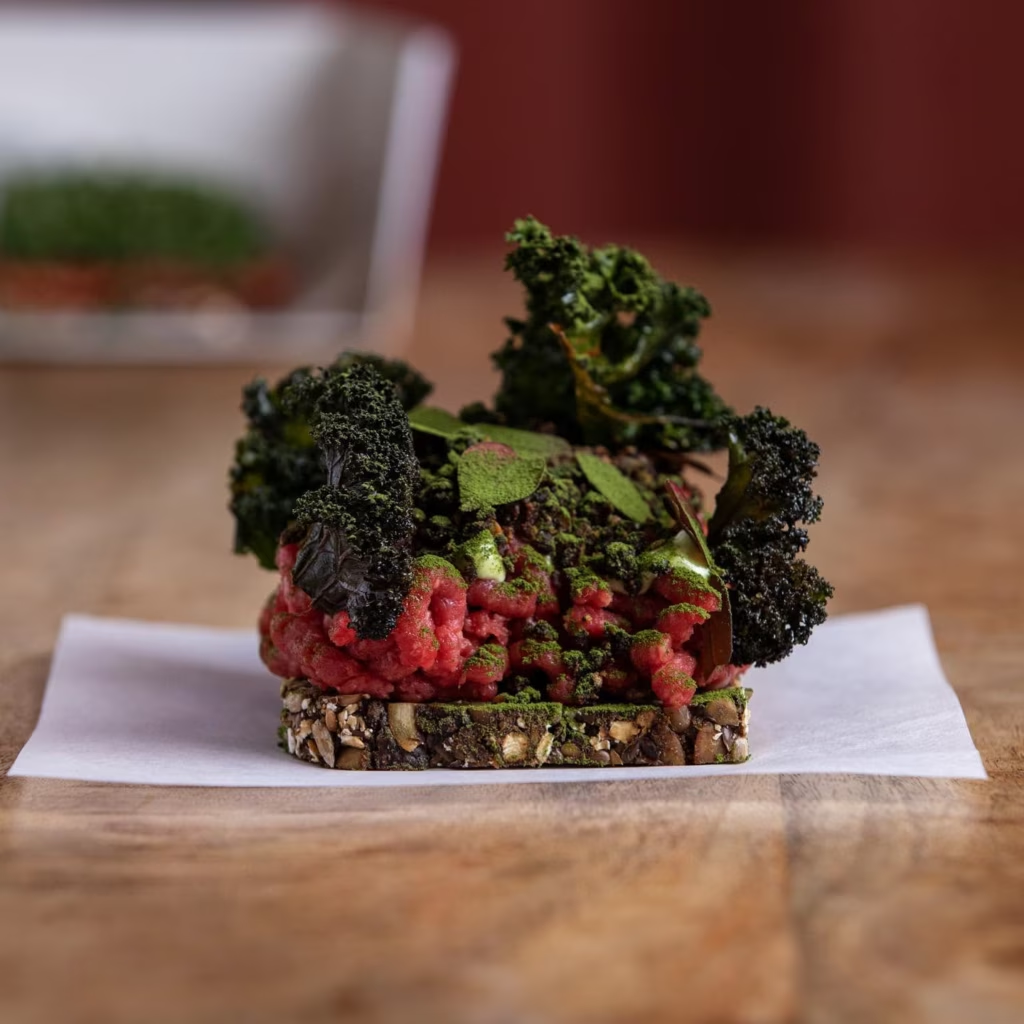
For the most authentic experience, I advise you to head to the classic pølsevogn locations around Central Station, Nørreport, and the harbor-side carts. There are also newer gourmet hot dog spots reimagining the experience, like DØP (The Organic Hotdog Stand), which is a standout, using only organic ingredients.
There are also many other options at market settings like Reffen and Torvehallerne, where many vendors whip up their own versions to rival the street carts. Don’t forget to take a look at some neighborhood spots beyond the tourist trail as well, such as Copenhagen Hotdog Deli City.
Danish Hot Dog vs Other Copenhagen Street Food
The Danish hot dog is at the forefront of Copenhagen’s street food scene, but how does it compare to the other options? Take smørrebrød, the open-faced sandwich, which is another on-the-go staple. It’s generally considered the healthier choice, so people who want something more nourishing tend to gravitate towards that over a hot dog.
The Danish hot dog still stands strong alongside Copenhagen’s newer food markets, including Reffen. For anyone on the move who needs a quick bite, hot dog stands will be your best friend, as they’re right outside railway stations and on the side of the street. However, to reach Reffen, you have to go out of your way.
Some still ask to this day how the pølsevogn has lasted while other street food traditions have faded. The simple answer is its historical roots. What began as a necessity for many has become a nostalgic experience that people now actively seek out.
The pølsevogn says a great deal about Danish food culture. It represents the simplicity, quality ingredients, and democratic approach to eating that Copenhagen and the rest of the country are known for.
Budget and Practical Tips
- A Danish hot dog at a cart typically costs around KR 40 (approx. €5 / $6), while gourmet spots charge anywhere from KR 50 (approx. €7 / $8) and up.
- Late morning is the best time to visit, when the lunchtime crowd is picking up, and the stands are at their liveliest.
- Despite being traditional street food, most carts accept card payments, just like regular restaurants in Copenhagen. You can try asking them if they take cash, but card is often the preferred payment method.
- If you want photos, order first and then take your shots with the hot dog on the table and the cart in the background.
Sources:
Eating Europe. (n.d.). Copenhagen food tours. Retrieved May 14, 2026, from https://www.eatingeurope.com/copenhagen/
DØP. (n.d.). Den Økologiske Pølsemand. Retrieved May 14, 2026, from https://doep.dk/
Copenhagen Hotdog Deli. (n.d.). Copenhagen Hotdog Deli. Retrieved May 14, 2026, from https://copenhagen-hotdog-deli.dk/


Eating Copenhagen Food Tour: More than Smørrebrød
The most delightful of Danish & fusion foods
- Daily
- 3 Hours
- Small Group