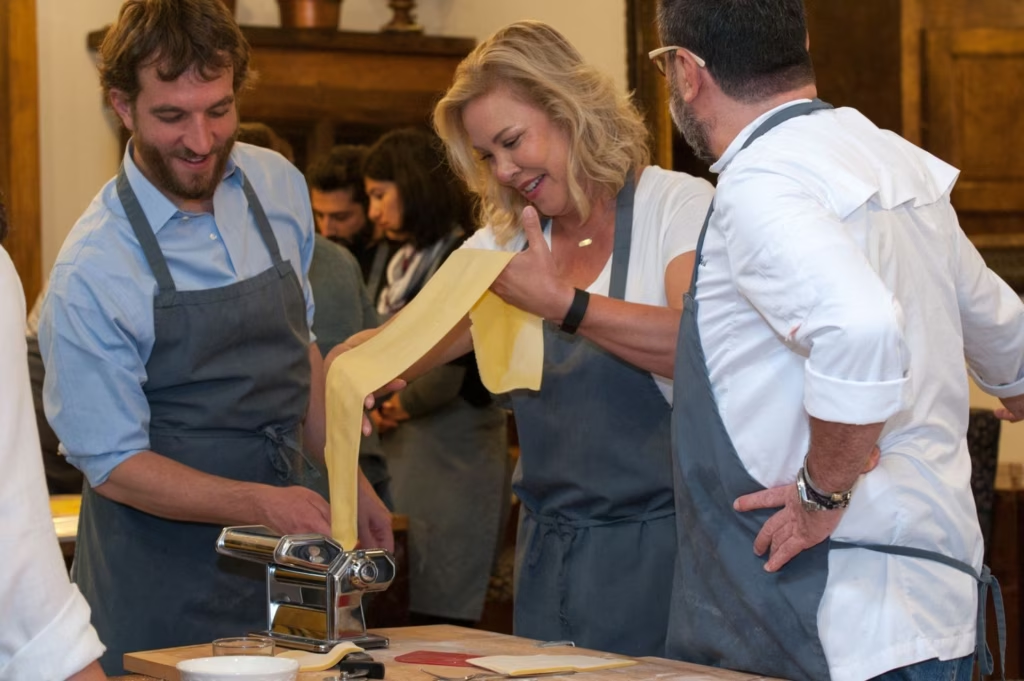
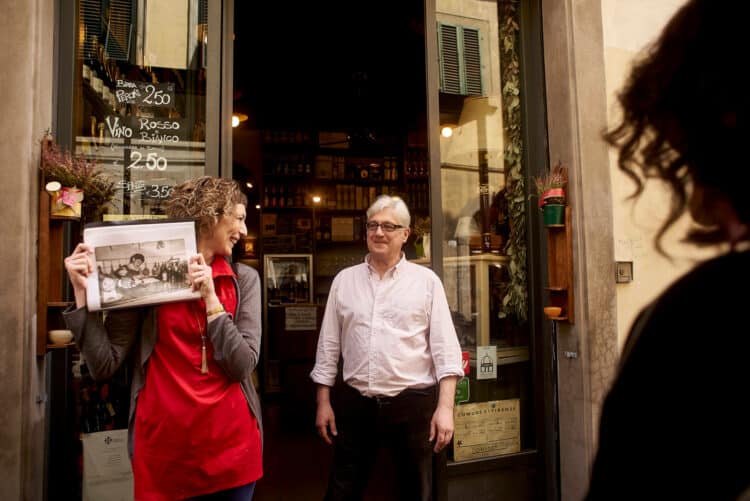
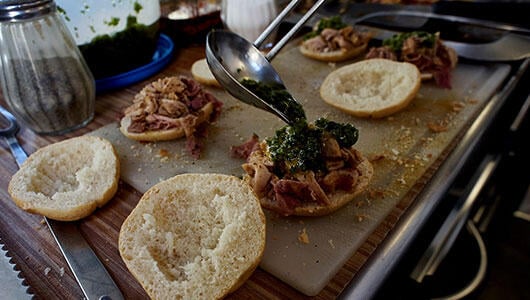
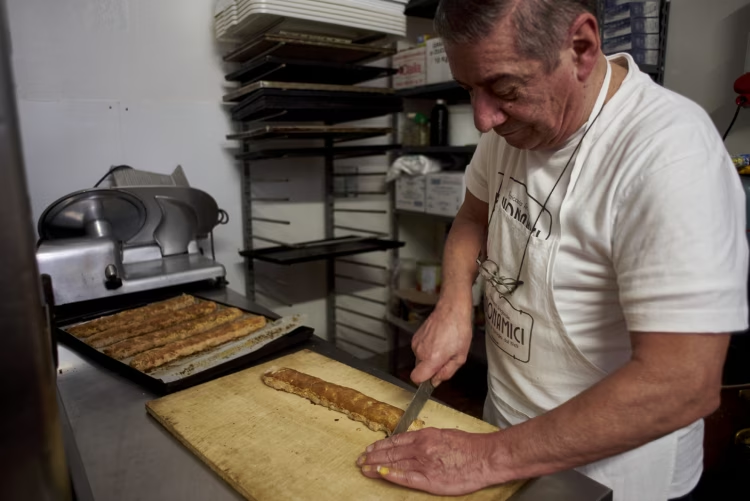
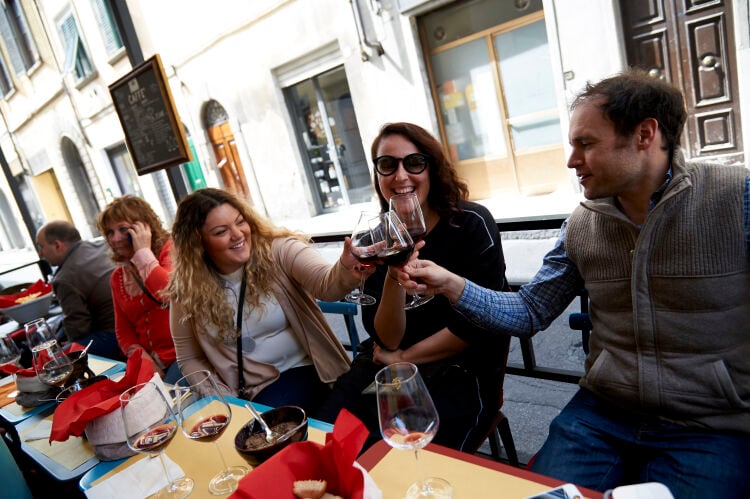
There are two things you’ll find on almost every cooking class schedule in Florence: pasta and tiramisu. Both are iconic. Both are delicious. But if you’re the kind of traveler who’s curious about the finer details of a dish and wants to understand the craft behind what’s on the plate, these likely won’t fill you with much excitement.
Some people are not looking for the two dishes every tourist comes for. They’re looking for Florence cooking classes that have something much more than what the average person wants.
The Two-Dish Syllabus, and Why It Exists
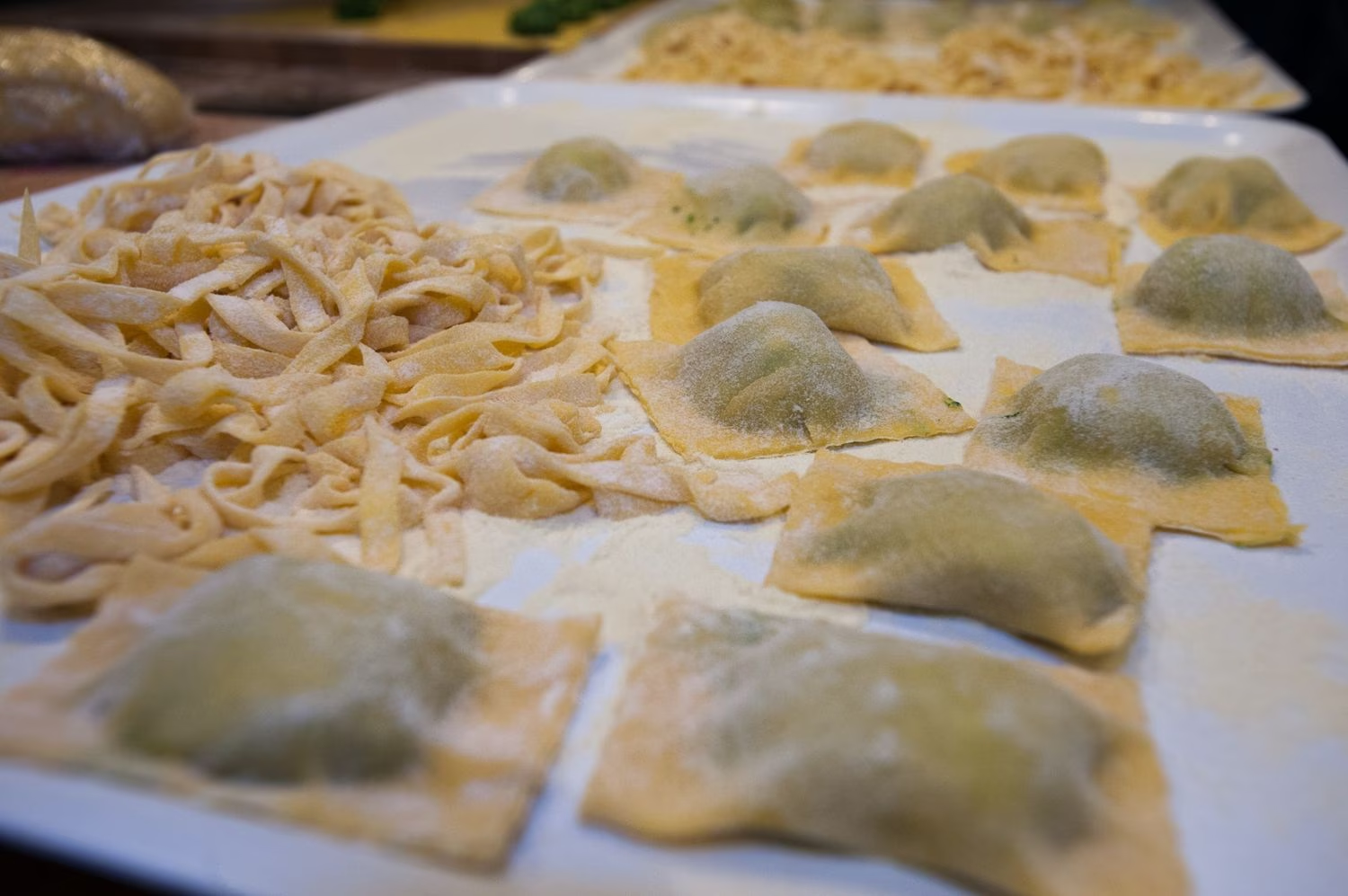
The economics of pasta are easy to understand. It’s photogenic, forgiving, finished within three hours, and hard not to like. You’d struggle to find someone who’d say no to a carbonara or a bolognese. Tiramisu is much the same story, minus one detail: it isn’t even Tuscan. It comes from Friuli-Venezia Giulia, and yet it still turns up on most menus across the city.
There’s nothing wrong with these classic recipes. We all love them here at Eating Europe. However, they just don’t answer the question of what Tuscan cooking is, especially for someone who has already made pasta in several parts of Italy. What you want is the bread, the beans, the offal, the season. That’s where Tuscan cooking actually lives.
What Tuscan Cooking Actually Is
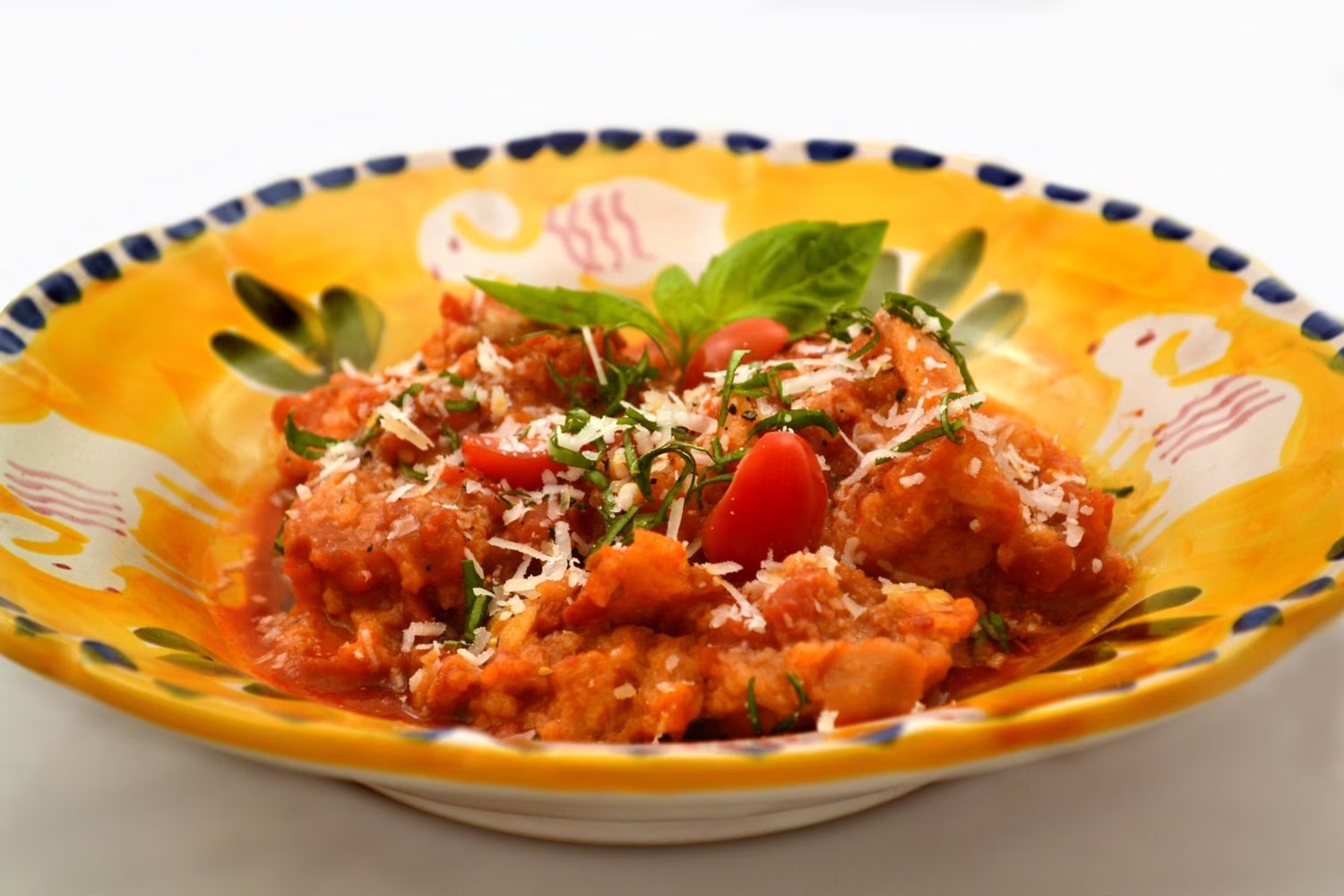
Photo credit: “Pappa al pomodoro II” by mike feist is licensed under CC BY-SA 2.0. (no changes made)
If I had to sum up Tuscan cooking in one phrase, it would be cucina povera. This is what Florentines know as peasant cooking, where every ingredient was made to count, and simple recipes were the foundation of everyday life.
The clearest example of this is bread, which has always been a key ingredient across the region’s dishes. Think ribollita, pappa al pomodoro, and panzanella. Every one of them is built on bread, specifically Florentine bread, which has traditionally been saltless.
Florence’s bread traces its roots to a trade dispute between Florence and Pisa over salt. As salt became more expensive during this period, Tuscan bakers stopped adding it to their bread, and the practice never disappeared.
Back in the day, there was also a strong reliance on beans, bitter greens, and dishes like chicken liver, ingredients the lower classes could grow easily on the land available to them.
Then there’s peposo, a long, slow braise said to have come from Impruneta, on the edge of Florence, where kiln workers firing bricks used the leftover heat to cook their dinner. The dish that came out of it was a stew of lower-quality beef, black pepper, and red wine.
Seasonality is an important aspect of Tuscan cooking and Florence cooking classes. Whatever is fresh in the markets at a given time decides what shows up on menus across the city, from asparagus in spring to fresh tomatoes in summer. Every season has something to offer.
How to Spot a Class with Depth Before You Book
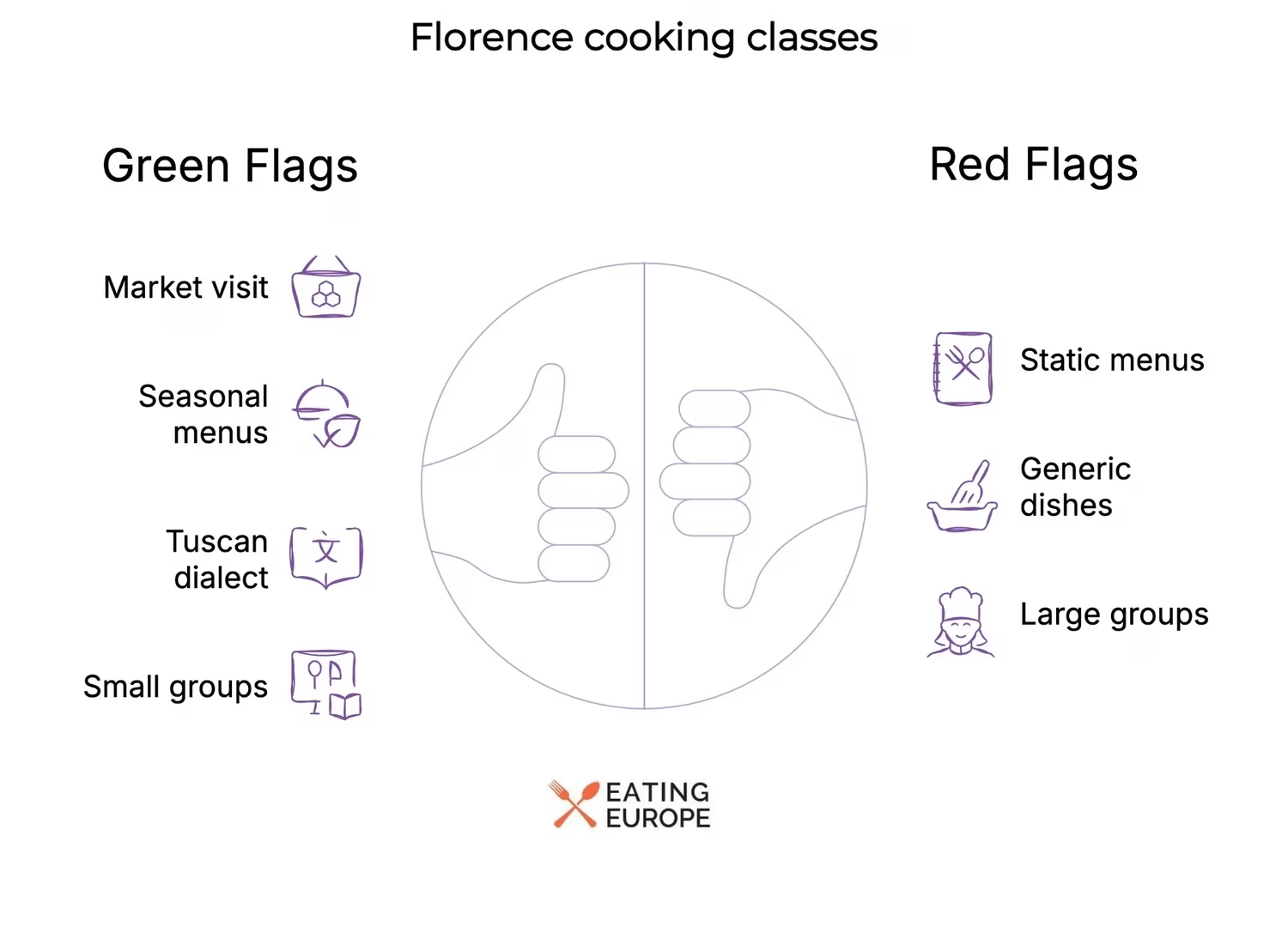
There are plenty of cooking classes across Florence, but they aren’t all built the same. Some look good on paper and turn out to be overrated; others are diamonds among the rough. Here’s a checklist to help you tell the difference.
Green flags:
- Authentic Tuscan cooking classes where you go to the market to shop for your own ingredients.
- Menus that rotate with the seasons, so you’re only cooking what should be eaten at that time of year.
- Dishes listed in Tuscan dialect rather than general Italian.
- Small group cooking classes in Florence, for a more intimate experience.
Red flags:
- A menu that stays the same all year round, with the same plates every time.
- Generic Italian combos, like pasta and tiramisu, that you could just as easily find at any standard restaurant.
- Groups of twenty or more attending the class.
If you’re on the fence about one of the Florence cooking classes you’re looking into, don’t be afraid to email the school and ask questions about their offering. Be specific. Something like ‘what will we be cooking in the second week of November?’ or ‘Is this a Florence cooking class without pasta?’ will tell you far more than a glance at the website ever could.
Skip the guesswork of finding the right cooking class by booking one of our market-to-table experiences. Picture shopping the local markets like Sant’Ambrogio or Mercato Centrale with a local cook, hunting down the freshest ingredients on offer that morning, from stemmed artichokes to prosciutto sliced to order.
From there, it’s back to the kitchen to turn what you’ve bought into something tasty. This isn’t a Florence food tour with a supermarket stop thrown in. It’s the local way of doing things, learning interesting facts along the way, like why a Tuscan tomato sauce might have been made with three different tomatoes rather than one.
The Real Tuscan Syllabus
If you’re wondering what you’ll learn in a Florence cooking class, there are often six key dishes that you’re shown how to make. They’re the famous plates of the Tuscan syllabus, distinctly Florentine, and unlike anything you’ll find in other Italian regions.
Learn about them, and you’ll be able to spot an authentic class in seconds, rather than one you could just as easily do in Milan or Rome.
Ribollita: A comforting stew of vegetables, beans, and thickened bread that teaches patience, since some plates only get better with time.
Crostini neri: A chicken liver spread with celery, onion, capers, herbs, and butter, served on toasted bread. Proof that offal always has a place at the table.
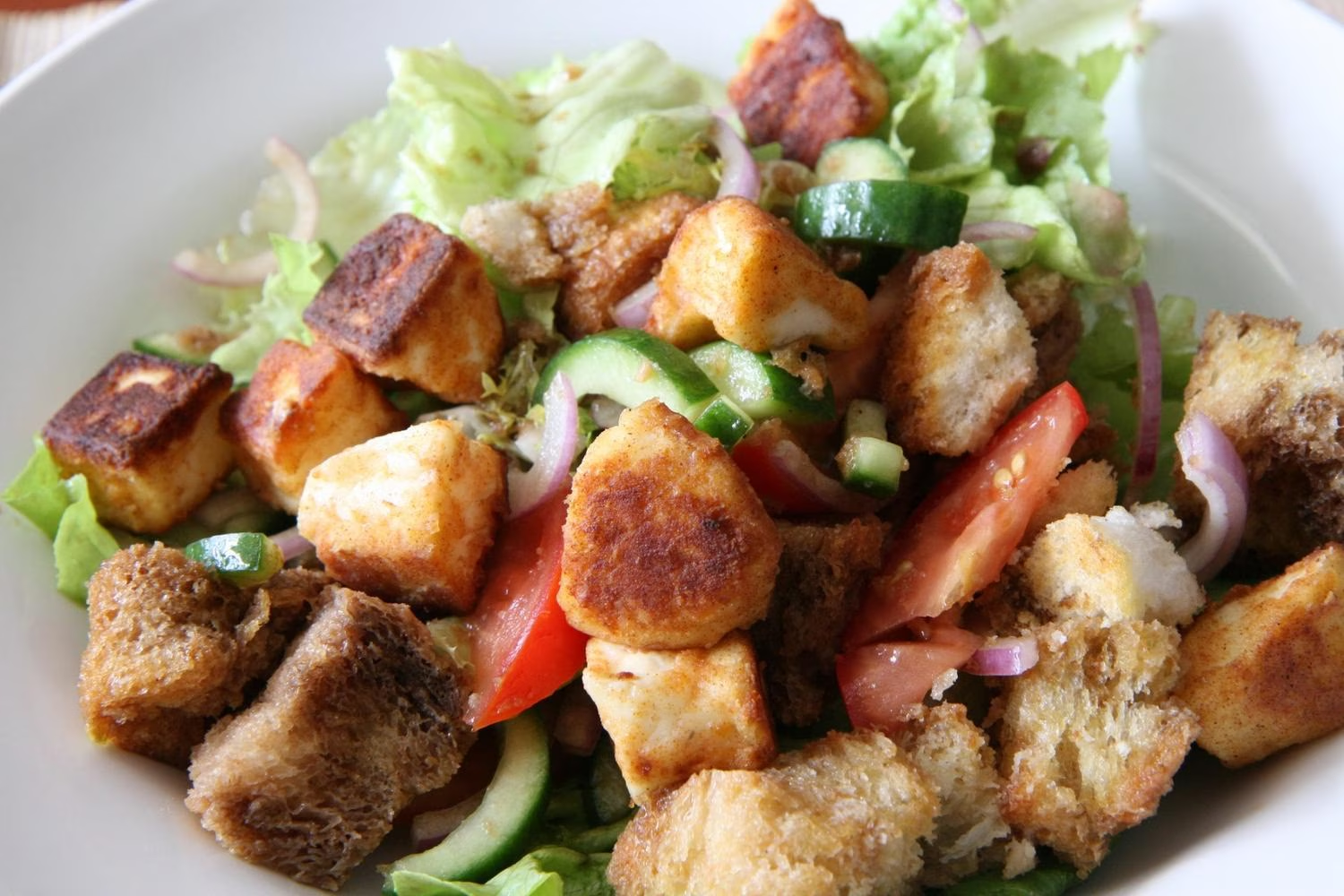
Photo credit: “Proper Panzanella Salad, Jamies Italian, Leeds” by thefoodplace.co.uk is licensed under CC BY 2.0 (no changes made)
Panzanella: A Tuscan bread salad of tomatoes, leftover bread, olive oil, vinegar, cucumber, and greens, showing that ripe tomatoes and stale bread, together, make something worth savoring.
Peposo: A slow-braised beef stew of red wine, black pepper, and garlic, a reminder that even a lower-quality cut can be cooked into something genuinely delicious.
Torta della nonna: A Tuscan tart with a sweet pastry base, custard, and pine nuts, highlighting that a simple dessert can taste as good as any savory plate.
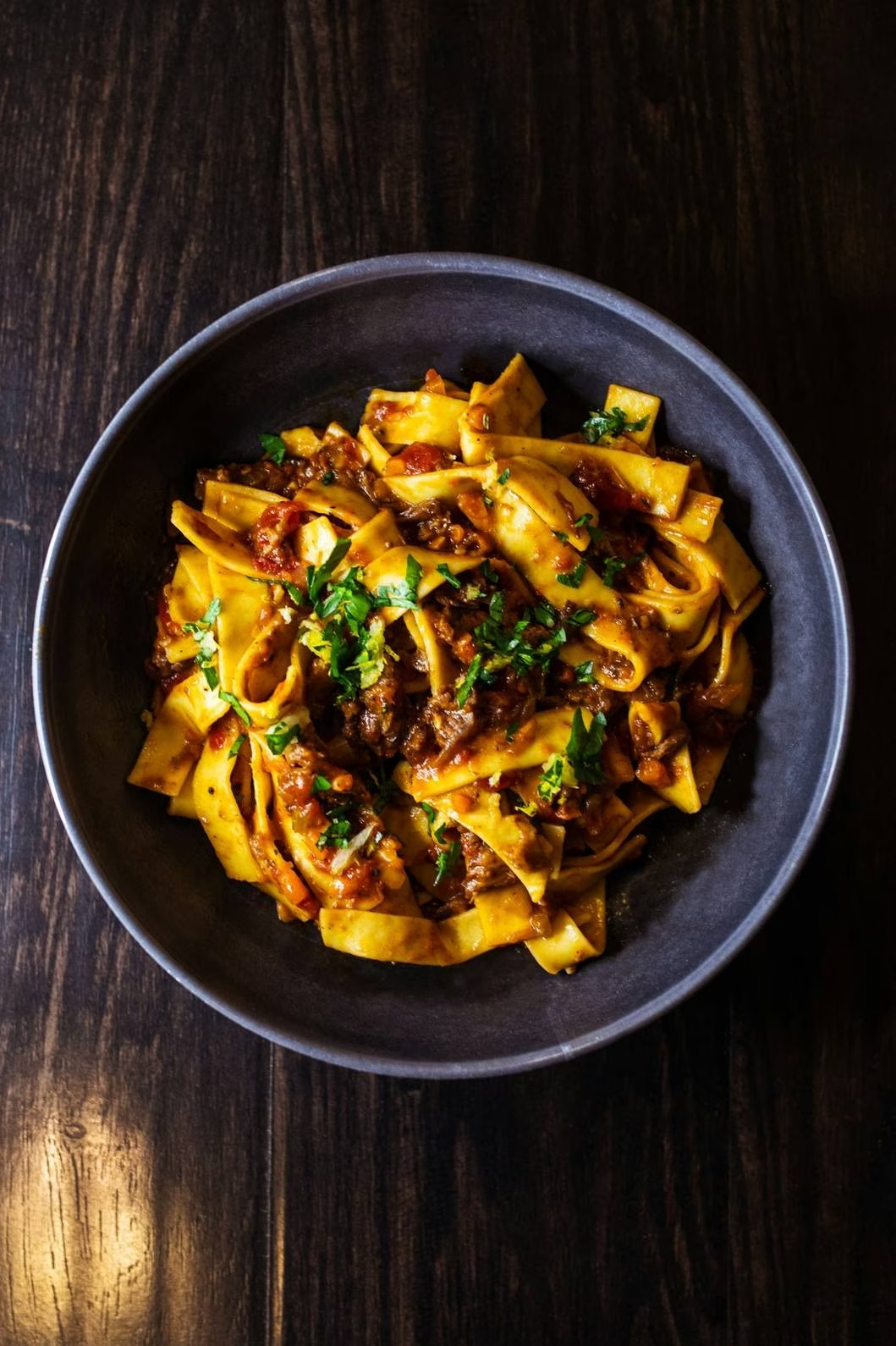
Fresh pasta with a seasonal ragù: The pasta itself barely changes, but the ragù does, shaped by whatever is sold at the market that week. Wild boar in winter is the one to know.
What You Take Home
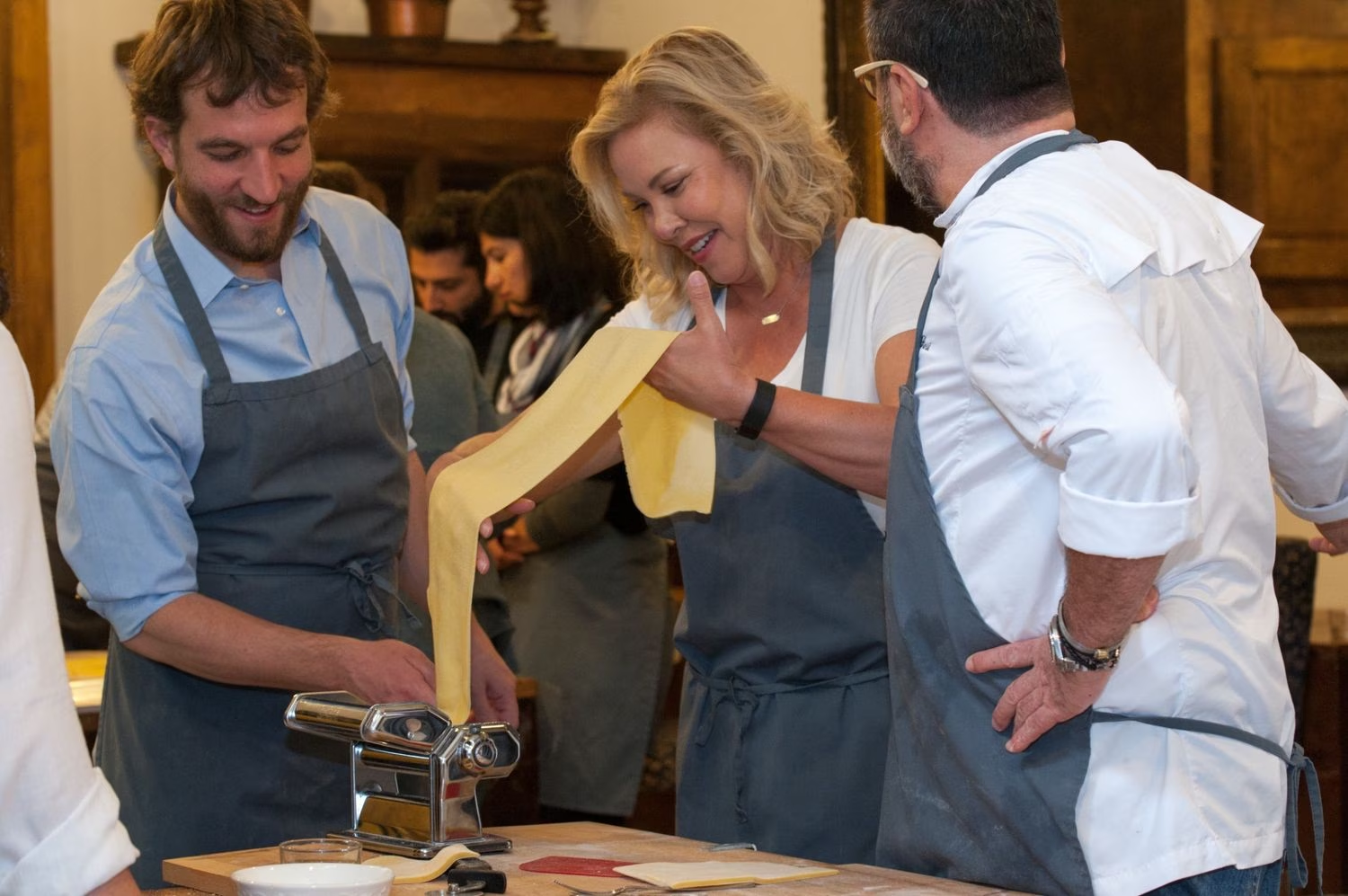
There’s a real difference in what you come away with after a touristy cooking class versus something more genuine.
With the touristy version, you only ever really get to try recipes that are tailored to the visitor’s palate. The same pastas and tiramisu combos you’d find on any general Italian menu, with little that’s actually regional.
A good class works differently. The menu changes every six months or so, following the seasons and leaning on what’s at the market that week, the kind of market-led experience we run ourselves at Eating Europe. The recipes are never adapted for tourists; they are authentically Florentine and taste exactly as they would in a home kitchen.
Our guides are locals who shop at these markets regularly, and they know the best places to visit and the right times to go when each market is at its best. The cooks showing you the ropes have made these dishes their whole lives and stick to recipes passed down through generations, cooked at home since they were children.
They know what works, and they’ll make sure you leave having made something worth remembering.
Frequently Asked Questions
Q1 Are pasta classes a waste of time?
No, pasta classes aren’t a waste of time. They have their place for a particular kind of traveler. Someone who wants to understand the techniques behind pasta-making and how different shapes pair with different sauces.
What they’re not is a shortcut to regional cooking, since pasta is only one ingredient among many. Some classes focus on a single style, like spaghetti; others get into the details of several shapes and how to craft each one properly.
Q2 What’s the best season for a cooking experience in Florence?
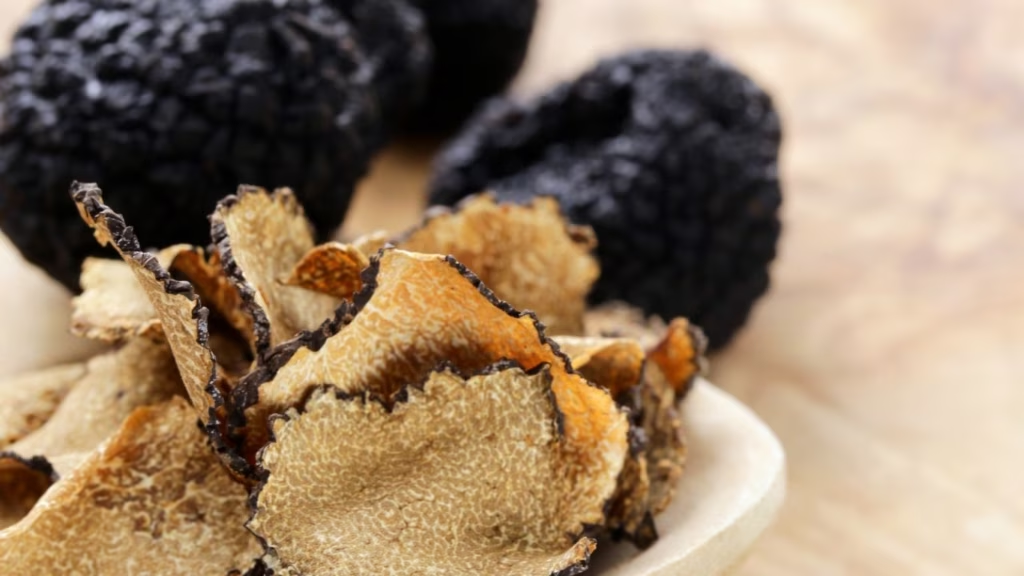
Every season has its place; it just depends on what’s being cooked at the time. The market is the biggest influence, so rather than asking which season is best, ask what you’d actually be making during the month you visit. Bean-heavy soups are best enjoyed in winter, when beans are in season, while truffle-laced pastas belong to autumn, when truffles are at their finest.
Q3 Can beginners handle a cucina povera class?
Of course. Cucina povera is peasant cooking by definition, so the recipes are simple, with a short ingredient list. Experiences like ribolitta cooking classes are arguably one of the easier ways to learn your way around a kitchen, working with less and with less pressure.
Q4 How do I book a market-to-table experience?
Visit the tour section on our Florence page, review the experiences on offer, and book whichever fits. Come shop the market with us and cook what Florence is eating this week.
Sources:
Eating Europe. (2026, April 29). Sant’Ambrogio Market is everything Mercato Centrale promises to be (and isn’t). https://www.eatingeurope.com/blog/florence-santambrogio-market-vs-mercato-centrale/
Eating Europe. (n.d.). Florence food tours. https://www.eatingeurope.com/florence/
Mayes, F. (2020, August 18). The joy and genius of traditional Italian home cooking. AFAR. https://www.afar.com/magazine/frances-mayes-an-admiration-for-cucina-povera
Cloake, F. (2023, May 2). Deconstructing tiramisu: The coffee-infused Italian classic. National Geographic. https://www.nationalgeographic.com/travel/article/deconstructing-tiramisu-coffee-infused-italian-classic
Eating Europe. (n.d.). Authentic Florence pasta-making class. https://www.eatingeurope.com/florence/florence-cooking-class/

Florence Sunset® Food & Wine Tour
An unforgettable evening filled with wines, fresh pasta, cocktails and an exclusive wine cellar experience.
- Daily
- 3.5 Hours
- Small Group
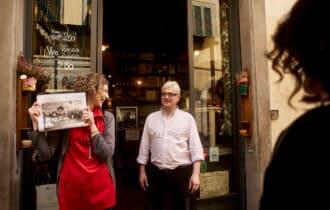
Florence Food & Local Flavors Tour
An intimate culinary experience through Oltrarno, among Tuscan flavors and legendary local hosts
- Mon-Sat
- 3 Hours
- Small Group
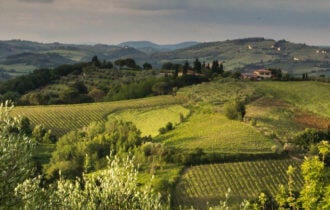
Tuscany Truffle Hunt: A Culinary Adventure
A gourmet culinary adventure with a multi-course meal in the Tuscan countryside.
- 5 Hours
- Small Group