



Copenhagen is one of those cities where street food is taken just as seriously as fine dining. Here, roadside eats and market culture coexist with Michelin dining, each firmly part of the city’s culinary identity.
Why Copenhagen’s Street Food Scene Stands Out
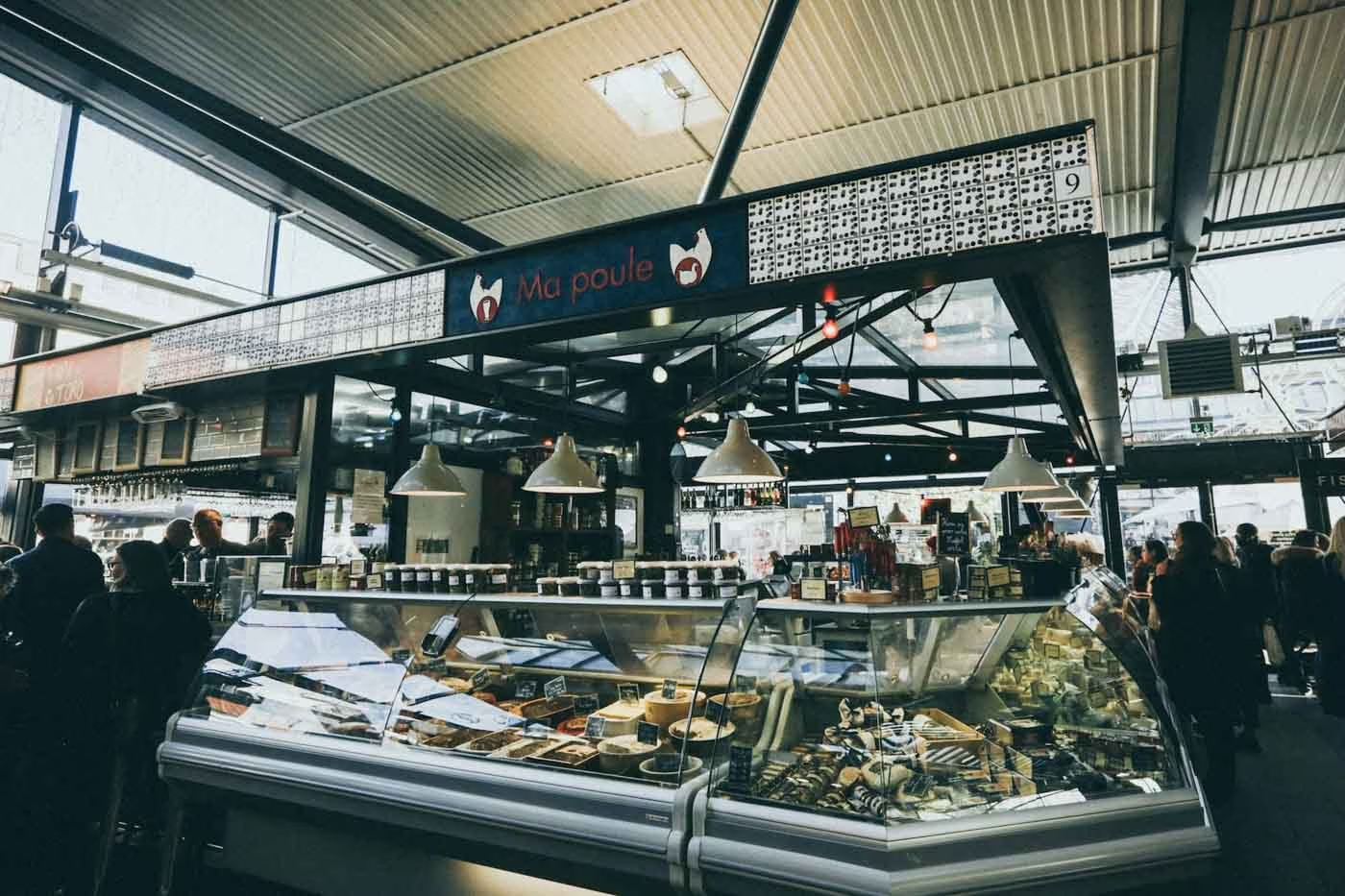
The street food scene here is defined by waterfront breezes, communal benches, and global aromas set against a Nordic backdrop. At the same time, vendors work over sizzling pans, fresh herbs are piled high at produce stalls, and the hum of busy covered halls creates a lively energy.
What I love most about eating street food in Copenhagen, though, is that this isn’t just a tourist experience. Locals treat the markets as part of their daily routine. They’re a morning, lunch, and early evening ritual for both residents and visitors alike.
If you’re coming to join one of our Copenhagen food tours and want to learn more about the city’s street food scene, this article will give you all the insight you need.
What is Torvehallerne?
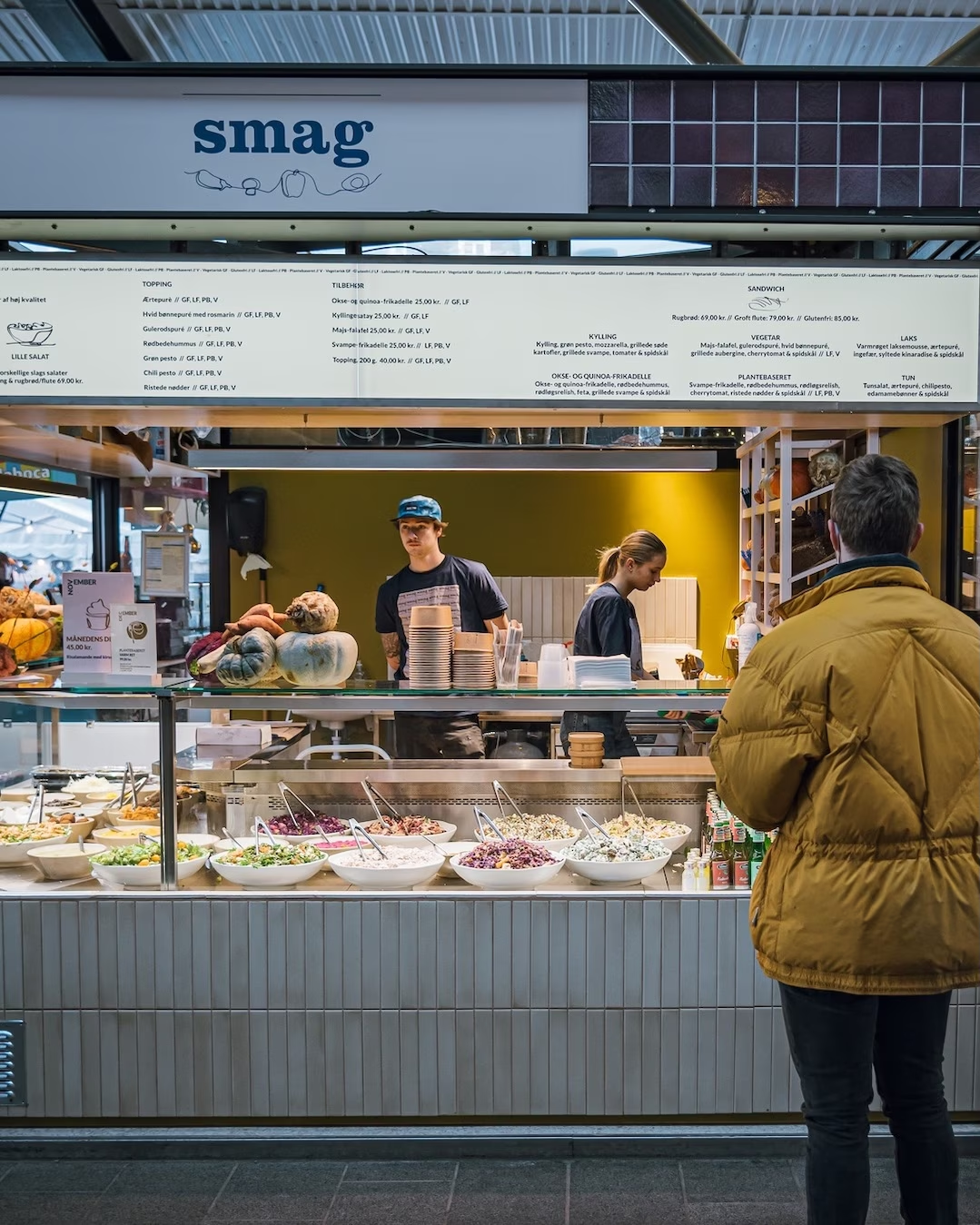
Photo credit: Torvehallerne
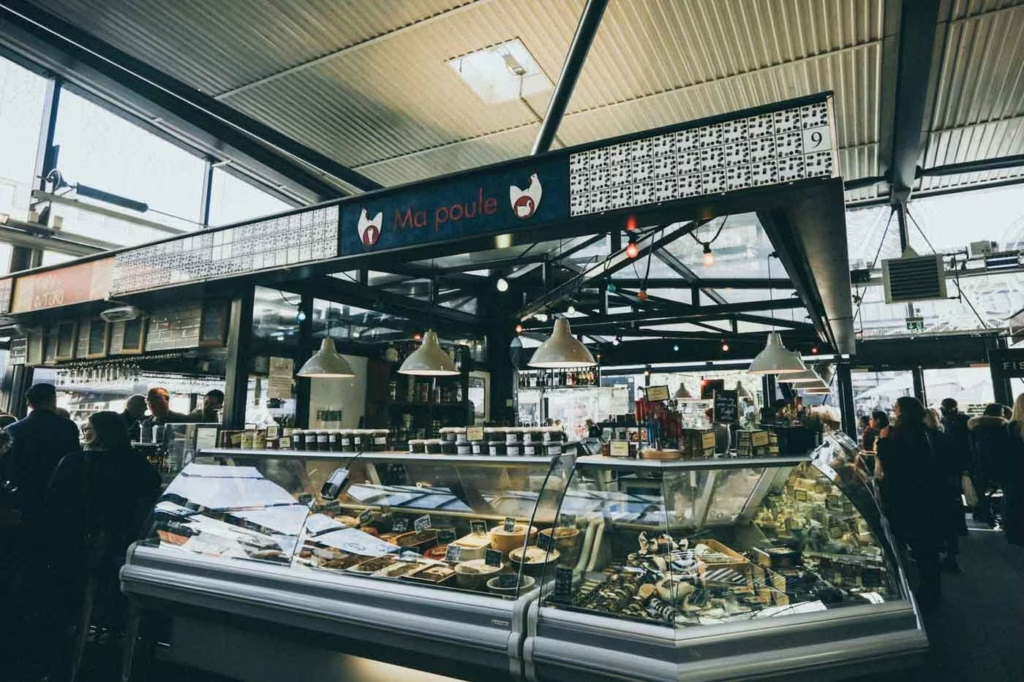
If you only visit one food market in Copenhagen, make sure it’s Torvehallerne. This is the city’s premier covered food market, located right next to Nørreport Station, and is spread across two large glass halls.
Since opening in 2011, Torvehallerne has been a regular part of local life, as vendors and residents use it as part of their everyday routine rather than a purely tourist-focused attraction.
You’ll find all kinds of food at Copenhagen’s food hall, from fresh produce and hearty Danish classics like smørrebrød to specialty coffee and plenty of other surprises along the way.
Torvehallerne is open daily from Monday to Friday, 10:00 am to 7:00 pm, and Saturday and Sunday, 10:00 am to 6:00 pm. An hour or two is usually enough time to explore it properly, though you may end up staying longer if you’re feeling especially hungry.
What to Eat and Buy at Torvehallerne
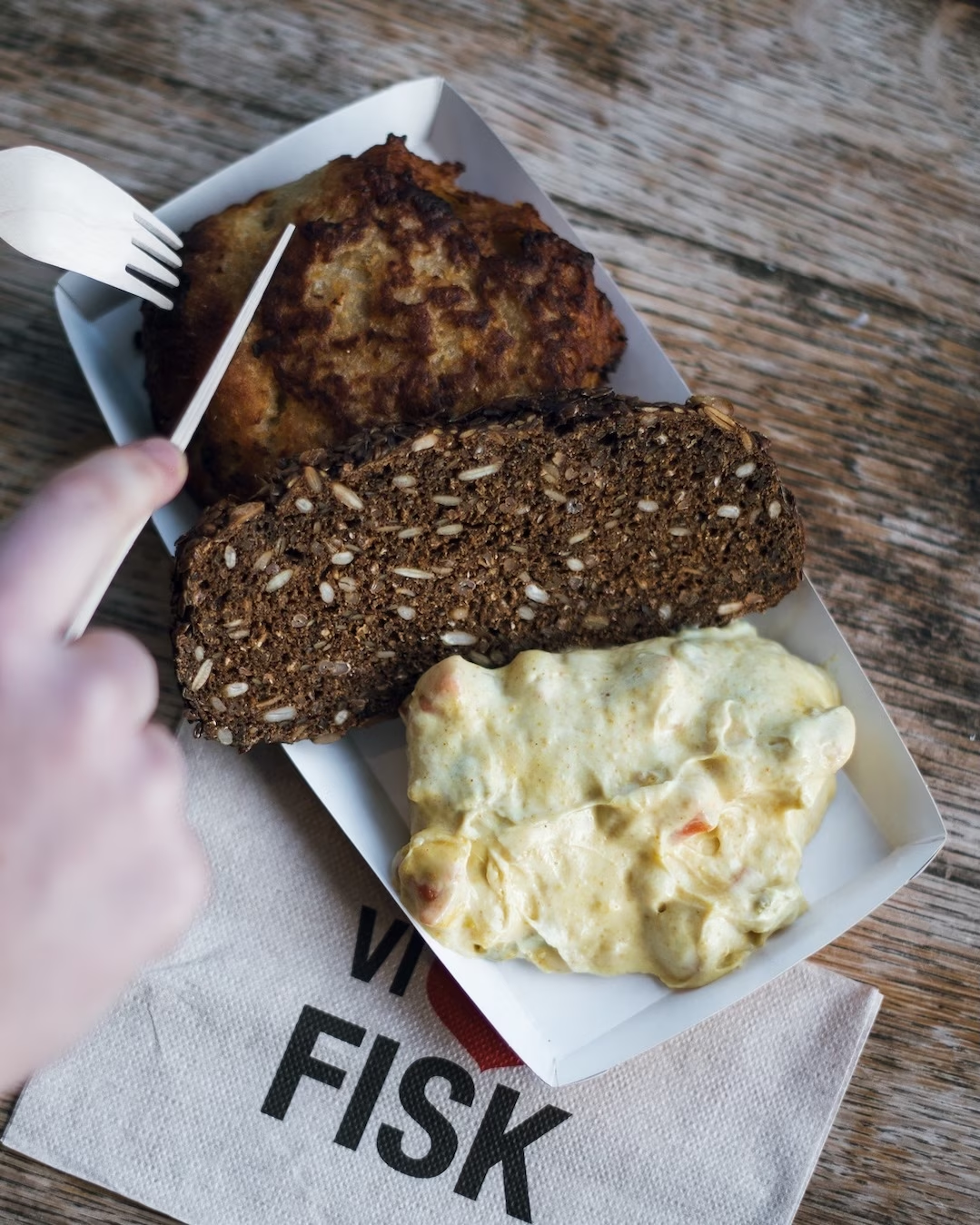
Photo credit: Torvehallerne
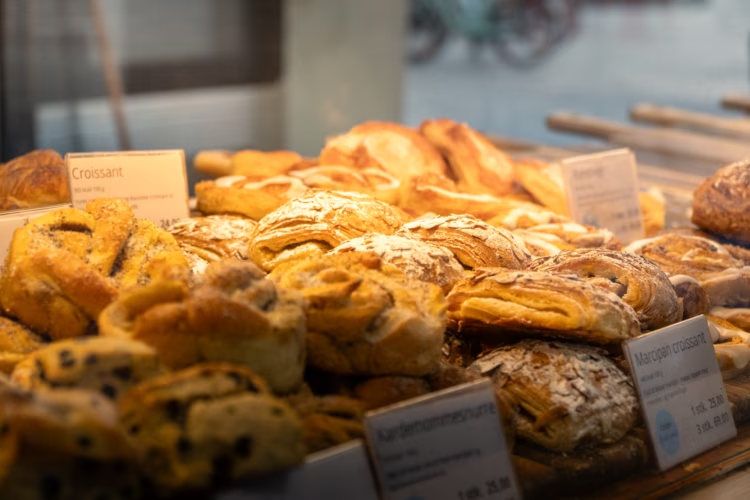
There are plenty of stalls at Torvehallerne, offering a wide range of food, so you’ll be spoiled for choice. Fresh produce and seasonal vegetables are sold alongside Danish dairy products, while smørrebrød counters serve open-faced sandwiches that make excellent takeaway options.
Coffee is also a big deal here, with Estate Coffee standing out for anyone serious about their morning brew. The halls have a strong café culture, so it’s perfectly acceptable to sit down with a cup of Joe and have a rest after bouncing between the different stalls.
Besides eating, you can also pick up a few items to take home with you. Chocolate, spices, preserves, and various Nordic pantry staples are all available, some of which you won’t be able to find outside Scandinavia.
Reffen Copenhagen Street Food
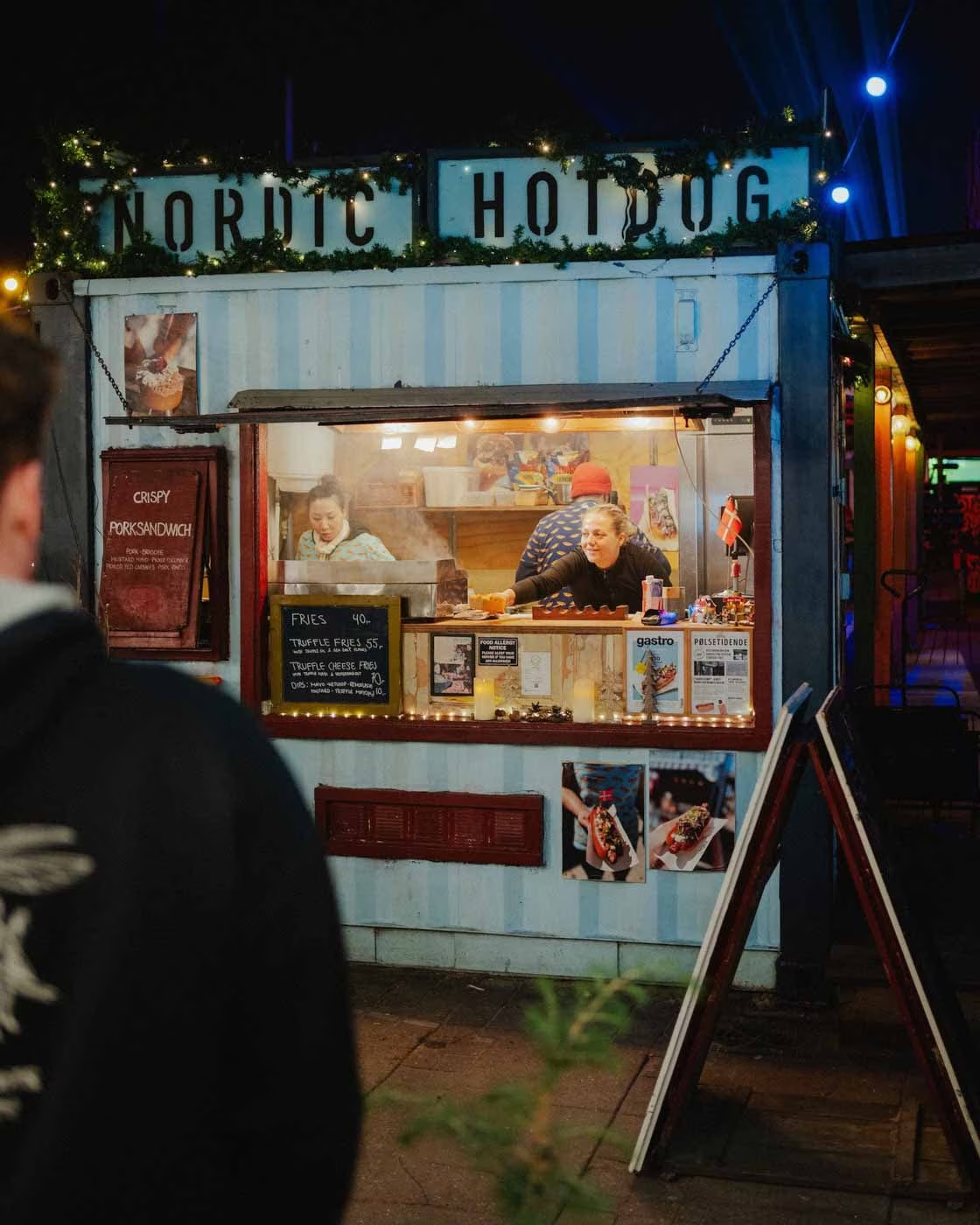
Photo credit: Reffen
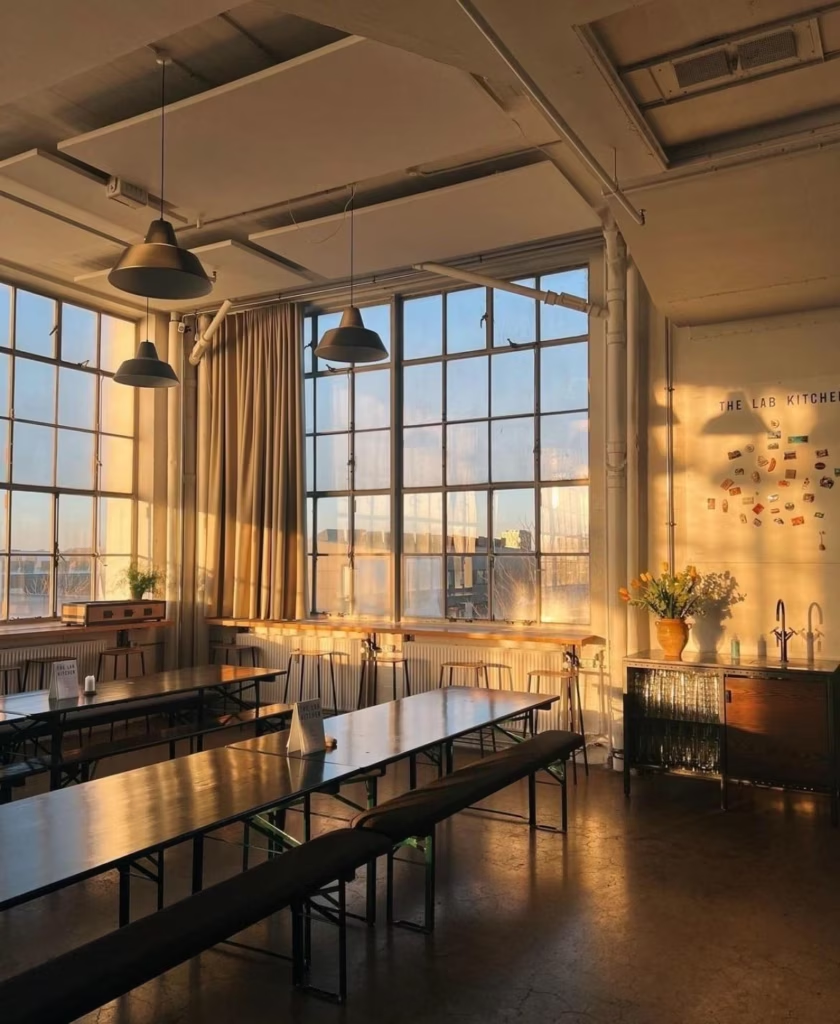
Reffen, previously called Copenhagen Street Food, is the waterfront market that took over from Papirøen and has since carved out its own strong identity. Located on Refshaleøen island, it offers visitors a relaxed space to enjoy food right by the water.
The stalls cover a wide range of cuisines, blending global street food concepts with Danish-inspired ideas to create a varied selection for different tastes.
Reffen is seasonal, though, so it’s worth checking opening dates when planning your visit. In 2026, it will operate across multiple seasons, including winter, when it will be Reffen Skøjteøen. The main food season runs from March to September, which is the best time to visit.
To get to Reffen, you can either cycle from the city center or take Bus 2A or the Harbor Bus 991 or 992, both of which stop nearby.
Reffen vs Torvehallerne: Which Should You Visit?
The answer is both, if you have the time, but each of these food markets in Copenhagen suits different kinds of visits.
Torvehallerne is more central, it’s covered, and open year-round. It’s where many locals go for a quick lunch or to pick up fresh produce without having to go too far out of their way.
Reffen, on the other hand, is seasonal, set along the waterfront, and designed for a slower, more laid-back experience. In my opinion, it’s the better choice if you have a free afternoon and want something with a lively vibe and delicious grub.
In terms of who each market suits, Torvehallerne is ideal for locals on a lunch break or anyone needing a quick bite while in the city center. Reffen is better for those with more time, as it’s slightly out of the way and you’ll probably end up staying longer than you planned.
If you want to check out both in one trip, it’s very doable. Start at Torvehallerne in the morning, then head out to Reffen in the early afternoon when the atmosphere starts to pick up.
Other Food Markets in Copenhagen Worth Visiting
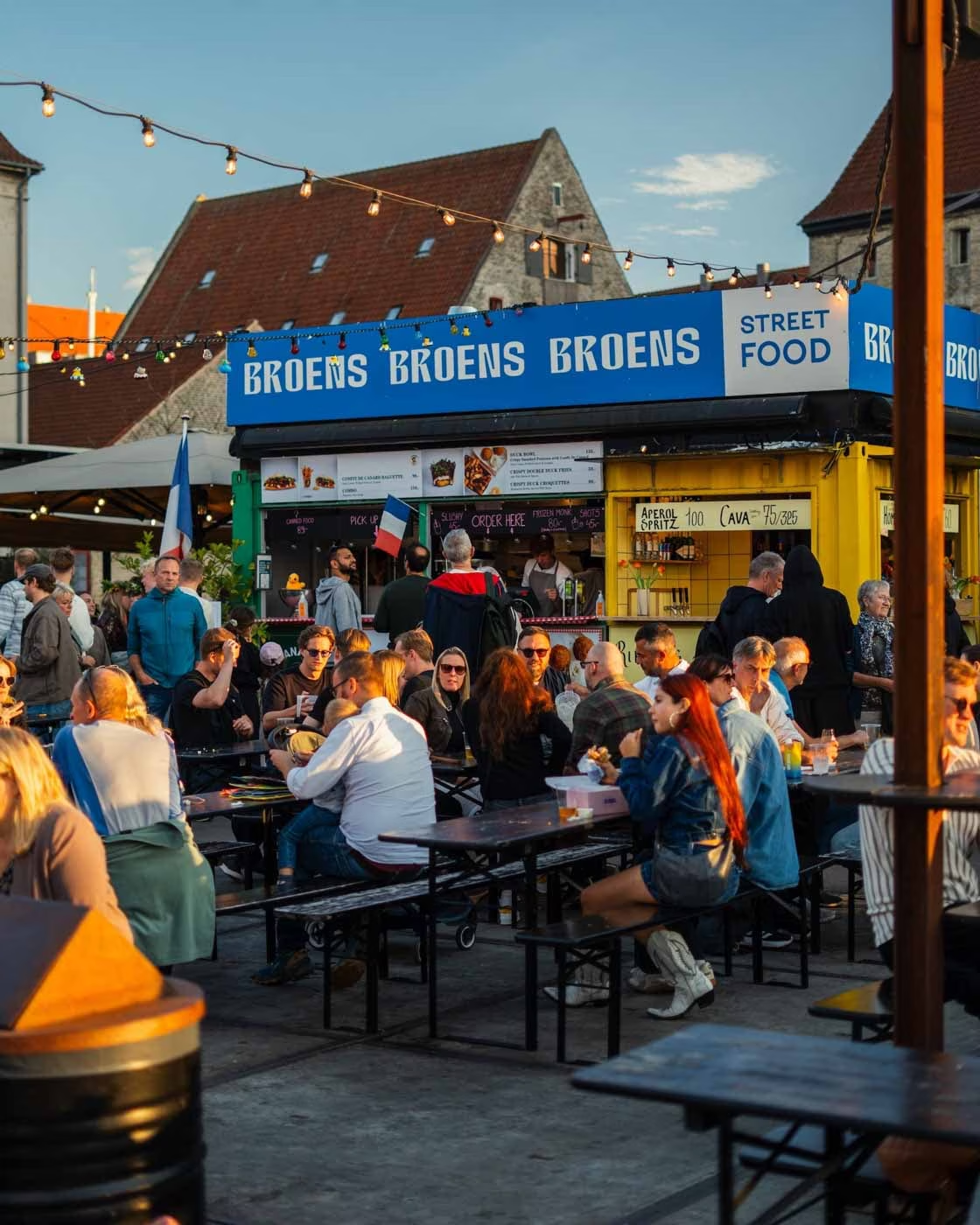
Photo credit: Broens Street Food
Beyond the two big names, Copenhagen’s street food scene has plenty of other markets worth exploring, depending on when you visit and which neighborhood you find yourself in.
Throughout the year, neighborhood farmers’ markets and weekly pop-ups appear across the city, like the Grønt Marked. These offer a more local alternative to the main food halls.
If you’re visiting in December, Christmas markets like Tivoli Gardens Christmas Market lean heavily into food, with warm drinks, seasonal baked goods, and Nordic comfort snacks. In summer, Broens Street Food is especially popular, with a range of street food stalls.
For those interested in organic and locally sourced produce, Copenhagen also has a strong selection of dedicated markets, including Torvehallerne’s Frugt & Grønt.
Neighborhoods for Street Food in Copenhagen
Where you stay in Copenhagen will shape where you end up eating, so it’s useful to know which neighborhoods are known for their street food.
Around Nørreport and Indre By, you’ll find Torvehallerne, which gives the area a strong café and market culture that spills out into the surrounding streets. Out in Refshaleøen, Reffen sits within a wider creative district that has developed its own distinct food identity beyond just the market itself.
Nørrebro is the district to explore if you’re looking for something more independent and multicultural, with plenty of street food stalls and markets that reflect the area’s diverse community. Meanwhile, Vesterbro and the Meatpacking District lean more towards casual dining concepts, pop-ups, and relaxed eateries.
Budget and Practical Tips
- Prices: In terms of what to expect to spend, Torvehallerne is slightly more expensive than Reffen, although you could easily spend a similar amount at both. At Torvehallerne, small bites start at around 50 DKK (approx. €7 / $8) while at Reffen they can be found as low as 45 DKK (approx. €6 / $7).
- Timing: Torvehallerne is best visited in the morning to experience the hustle and bustle of vendors unloading and setting up. Reffen, on the other hand, is better in the evening when the atmosphere is at its liveliest.
- Payments: Both markets accept cash and cards, but it’s a good idea to have both available just in case some vendors don’t accept certain payment methods.
- Photos: If you’re looking to take some photographs at the markets, focus on the finer details, such as the colors of fresh produce and the vendors using sizzling pans.
Sources:
Eating Europe. (n.d.). Copenhagen food guide. Retrieved May 3, 2026, from https://www.eatingeurope.com/copenhagen/
TorvehallerneKBH. (n.d.). Torvehallerne food market. Retrieved May 3, 2026, from https://torvehallernekbh.dk/
Reffen. (n.d.). Reffen street food. Retrieved May 3, 2026, from https://reffen.dk/en/
Broens Street Food. (n.d.). Broens Street Food. Retrieved May 3, 2026, from https://broensstreetfood.dk/en/



Eating Copenhagen Food Tour: More than Smørrebrød
The most delightful of Danish & fusion foods
- Daily
- 3 Hours
- Small Group