

Goulash is one of Hungary’s best-known dishes, and for good reason. Packed with meat and flavored with paprika, this hearty stew is a Hungarian staple. Read on to discover what makes goulash so special and where to sample it in Budapest.
What Is Hungarian Goulash?
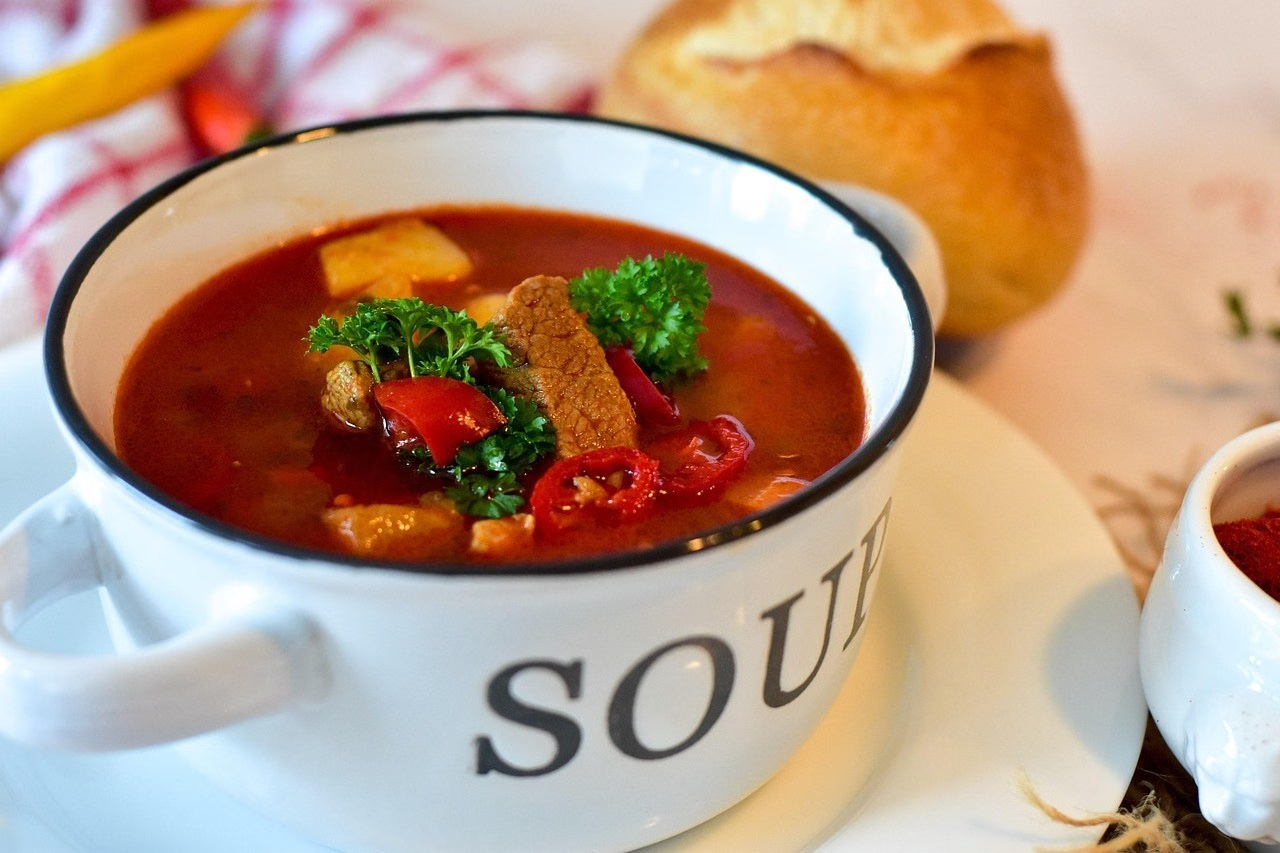
Some dishes steal the hearts of a population and remain relevant no matter what happens. The Hungarian goulash is one of those recipes.
Visit any major Hungarian city, and you’ll see the word ‘gulyás’ on just about every restaurant menu. The dish takes its name from the herders who prepared it while working across the Great Hungarian Plain, and it has stuck ever since.
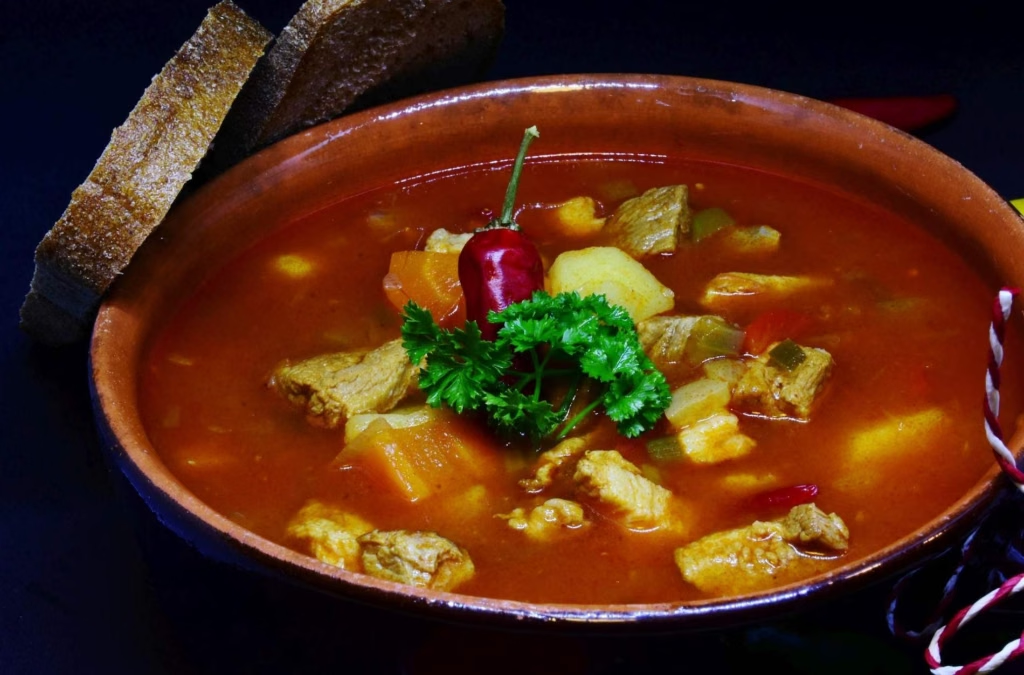
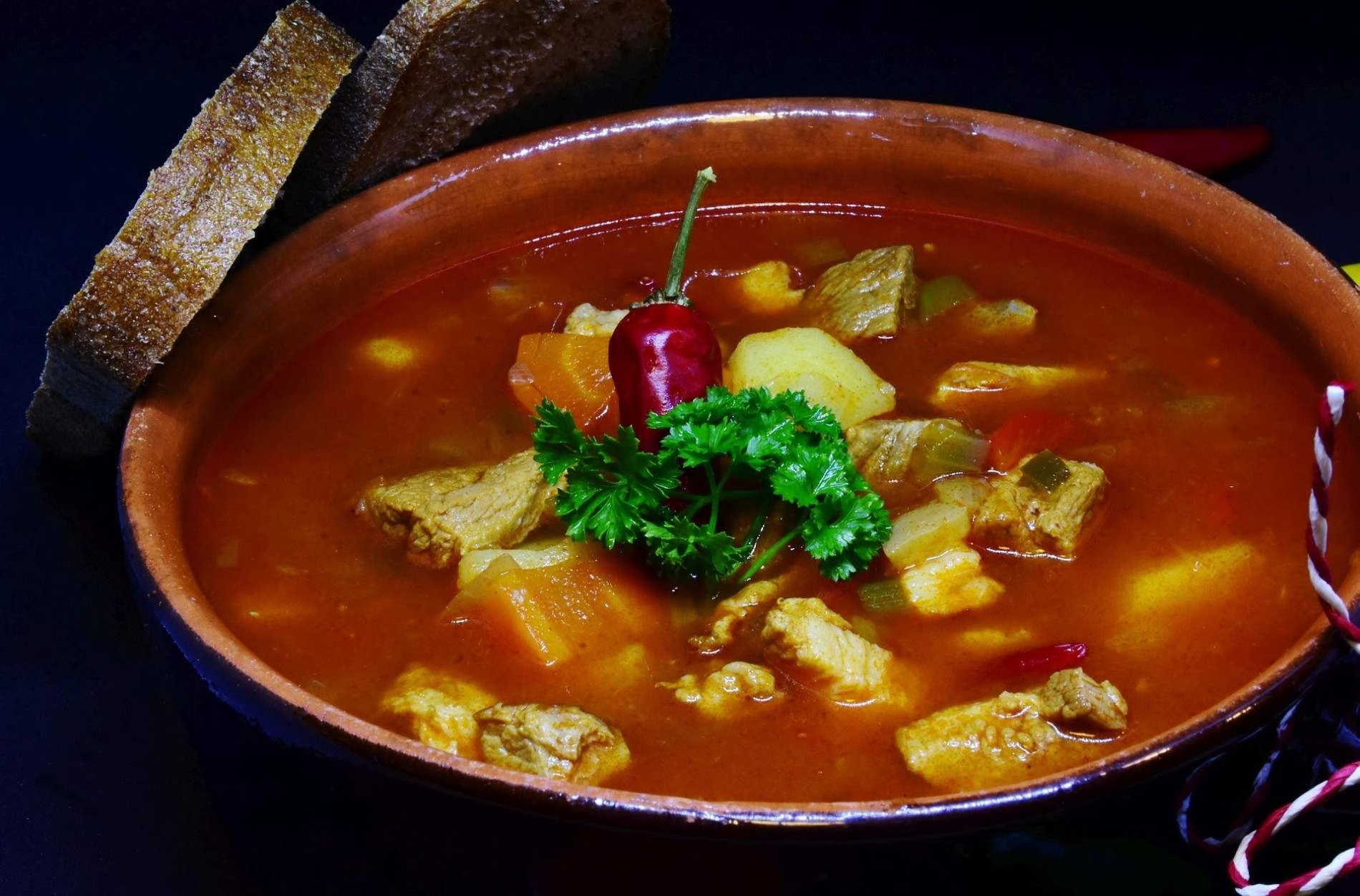
There are all kinds of goulash recipes around the world, but the Hungarian version is among the most unique. It’s a beef and paprika soup made with a rich, aromatic broth, but some versions you may find in other countries can be a little thicker and include additional ingredients.
What really sets the Hungarian version apart is the use of paprika, a defining ingredient in the country’s cuisine. It’s one of the dishes guests look forward to most on our Budapest food tours, and when you try it for yourself, you’ll understand why.
The Origins of Gulyás: From the Hungarian Plain to the National Table
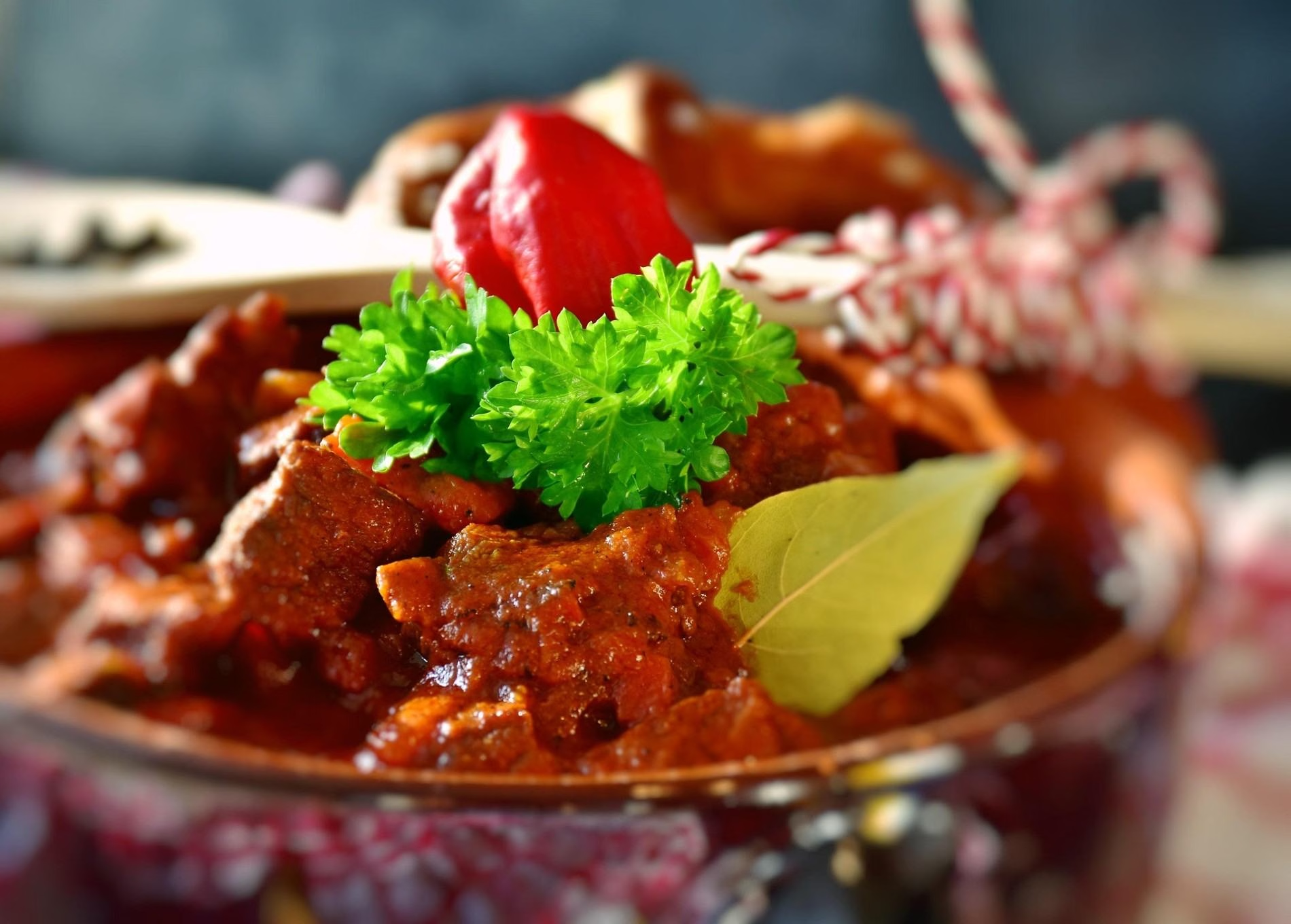
Gulyás began as a humble meal among Magyar cattle herders, who would cook it while moving through the Puszta. It was easy to make, as it only involved boiling simple ingredients over an open fire and stirring them every so often until they were ready to eat.
A recipe this good could never remain in the Puszta, so it wasn’t long before it began making its way into rural kitchens. As people from the countryside traveled to urban areas like Budapest, they brought their recipes with them, and the dish eventually began appearing in restaurants and on family tables across the capital.
Soon, goulash would become a key aspect of Hungarian identity and an iconic symbol of the nation’s cultural movements.
The Traditional Hungarian Goulash Recipe
It’s important to separate the Hungarian goulash recipe from others, as the way it’s cooked differs from other forms; that’s what makes it so special.
All Hungarian goulash has beef, onions, water, real Hungarian paprika, and caraway seeds; it must have all of these, or it isn’t authentic. Don’t let anyone tell you otherwise. As the mix is made, the paprika is slowly stirred in afterward, which gives it its reddish-orange color, but you can’t go overboard, or it will end up turning bitter, which will only disrupt the flavors.
Another important aspect is the cooking method. It should be slow-cooked so the beef becomes tender and the broth develops the right flavor. At the end, some small, pinched noodles called csipetke are added to the mix, rounding out the recipe.
Paprika: The Ingredient That Makes Hungarian Goulash Hungarian
There is no goulash without paprika; it’s the defining ingredient, giving the dish its deep reddish-orange color and adding a warm aroma to the overall flavor, making it distinctly Hungarian. If you’ve been to Hungary before, you’ll know they take their paprika very seriously. There are all kinds that the cook can add, whether sweet, hot, or smoked.
Paprika isn’t just a random ingredient Hungarians like to add every once in a while. It’s an element of national pride, with regions such as Kalocsa and Szeged home to large-scale paprika production, thanks to their ideal climate, which makes growing it much easier than in other parts of the country.
Gulyás vs Pörkölt vs Paprikás: Understanding Hungarian Stews
Gulyás is just one Hungarian stew. There are others that are just as delicious, but many tourists are unaware of them because they’re not as internationally recognized. Two that come to mind are pörkölt and paprikás. All three share similarities, including being stews and containing some paprika, though the amounts vary.
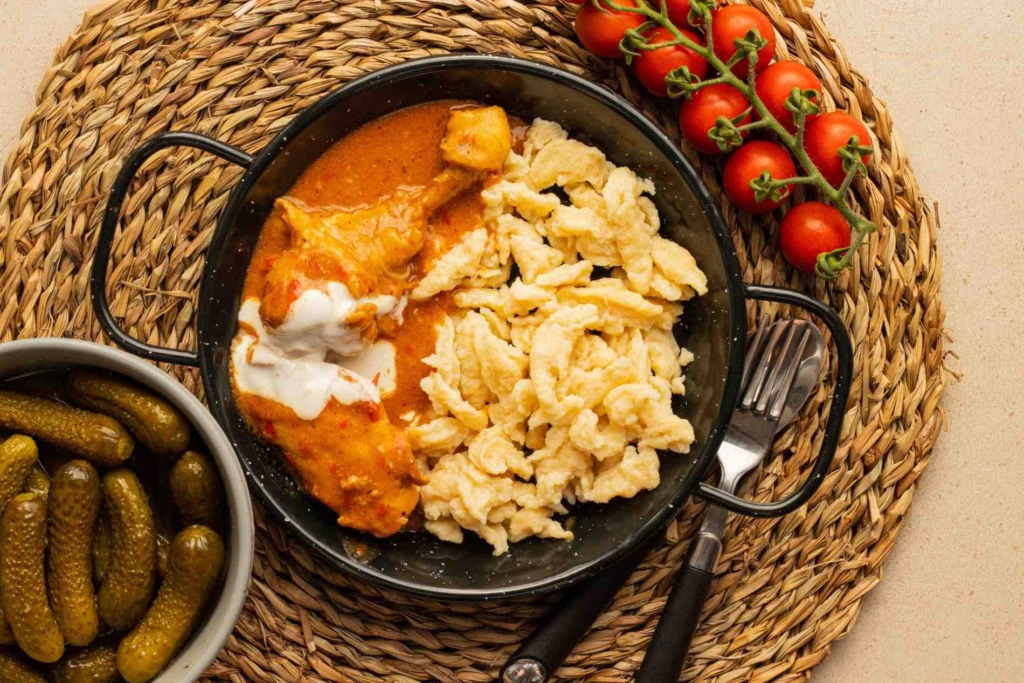
Gulyás is the soupier style, with a much lighter broth, heavy on the paprika, and cooked slowly. Pörkölt is much thicker, with less sauce and more concentrated flavors. Paprikás, meanwhile, has sour cream stirred in, giving it a richer, creamier profile than the other two.
Where to Eat Hungarian Goulash in Budapest
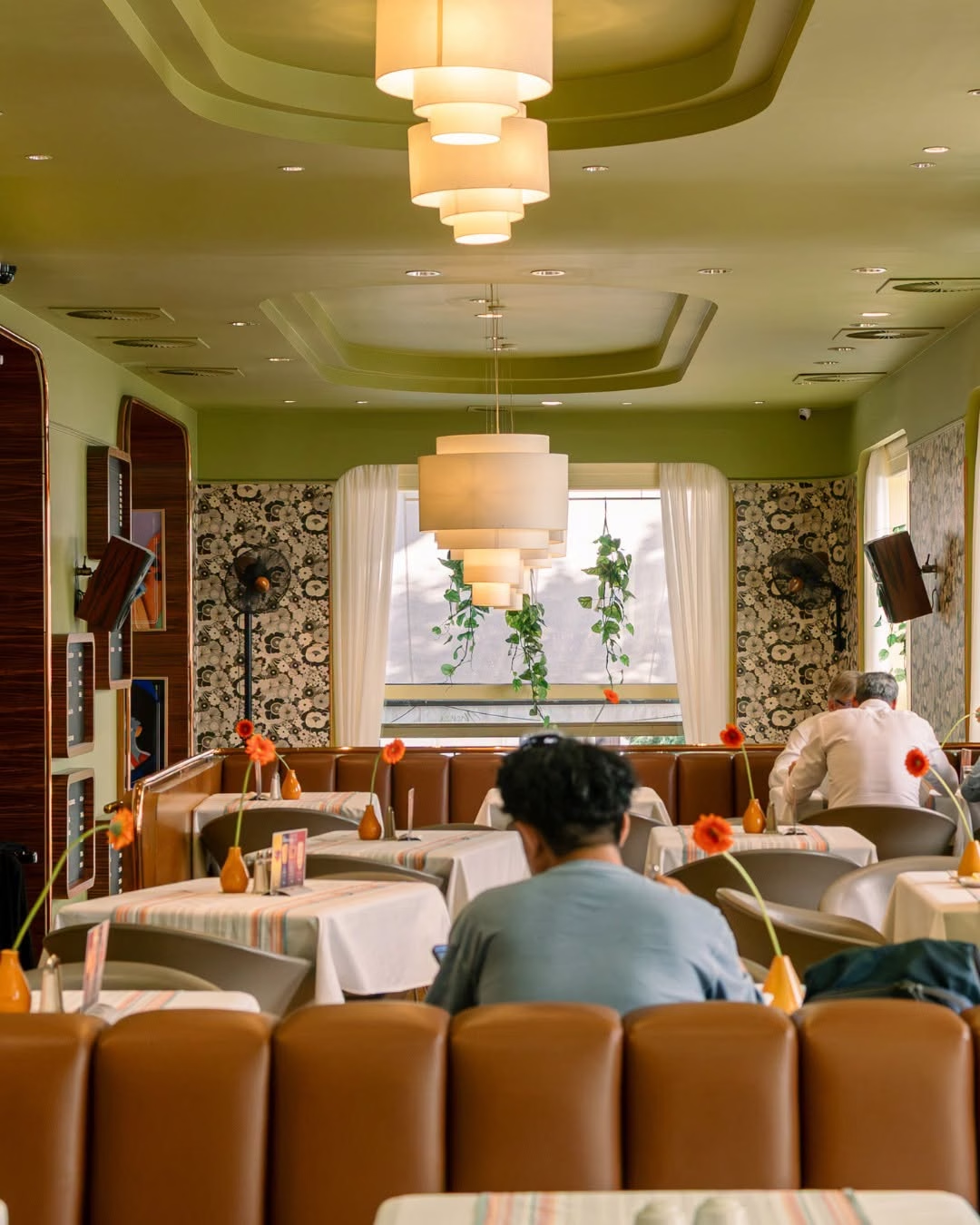
Photo credit: Menza
In Budapest, pretty much every Hungarian restaurant will have goulash on the menu. But this is where you need to be careful, because it’s easy to fall for a nice-looking restaurant out front, only to find the goulash is pretty mediocre once you get inside.
We always send our guests to Hungarian étterem that stick to the real recipe and use only local ingredients, not imported ones. Two extremely popular names are Gettó Gulyás and Menza; both require reservations, which, according to our Europe Food Travel Survey, our guests say they don’t like making, but they are well worth the early planning.
Don’t be afraid to try establishments that sell a range of Hungarian plates, not just goulash. As long as they’re well-rated, made by local chefs, and include proper ingredients and follow a homemade style, you’ll be safe.
If you’re new to the city and unsure how to tell an authentic place from a tourist-focused joint, try heading outside the main center to restaurants in more local districts. Menus written exclusively in Hungarian are also a good sign, as are places that brand their dish as gulyás soup rather than ‘goulash.’
Hungarian Goulash at Home: Tips for the Home Cook
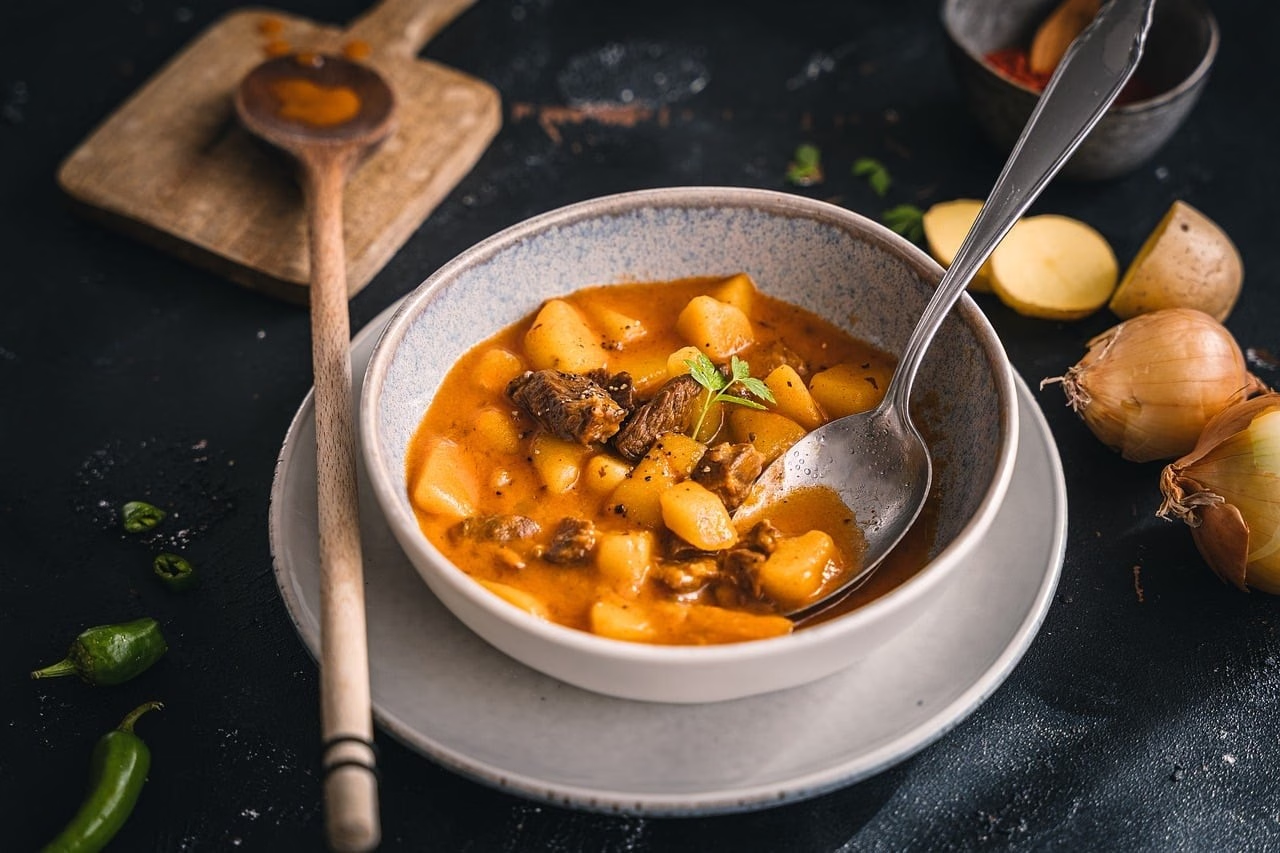
Making goulash at home is possible if you’re not able to come join one of our Hungary food tours. Preparation is important, as it can go wrong quickly unless you follow these pointers.
First things first: don’t use any flour or cream, or else it won’t be like the traditional goulash in Hungary. As long as you make a good broth with the right amount of veggies, they’ll do the talking. When it comes to beef, slow-cooked chunks are what you need, as they have the finest texture and a flavor that blends nicely with the sauce.
Your base needs to be made with cooked onions and paprika, but take this part slowly. These are the two ingredients that can really overpower the dish, so if you go in too heavy-handed, it can take the good out of it.
As a final touch, add some bread. Or, if you can get your hands on traditional Hungarian side dishes like small pinched noodles such as csipetke, they will provide a nice finish and taste just as good as what you’d get on the streets of Budapest.
Sources:
Eating Europe. (n.d.). Budapest food tours. https://www.eatingeurope.com/budapest/
Eating Europe. (2026). 2026 Europe food travel survey. https://www.eatingeurope.com/blog/europe-food-travel-survey/
Eating Europe. (n.d.). Hungary. https://www.eatingeurope.com/hungary/
Gettó Gulyás. (n.d.). Homepage. https://gettogulyas.hu/en/homepage/
Menza Étterem és Kávéház. (n.d.). Front page. https://www.menzaetterem.hu/en/


Budapest Food Tour: Local Tastings & Drinks
See Street Art & Visit a Local Ruin Bar
- Daily
- 3 Hours
- Small Group

Eating Europe Budapest Gift Card
Give them a taste of Budapest they'll remember!
- Small Group