
Sharing small plates among family and friends may be known as a Spanish tradition, but this custom is just as cherished by the Portuguese, too. Petiscos are Portugal’s take on tapas, and enjoying a selection of these pint-sized portions is both a culinary and social event.
Finding petiscos in Lisbon requires minimal effort, but you’ll need to dig a little deeper to uncover the finest dishes and spots. After years of leading Lisbon food excursions and tucking into far too many clams and pica-pau, I feel obliged to give you my take on where the finest petiscos can be found!
These are my must-try petiscos in Lisbon and the top places to find them.
Pica-Pau
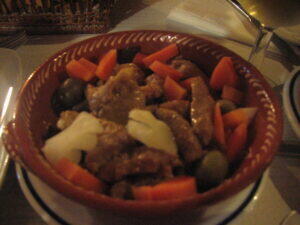
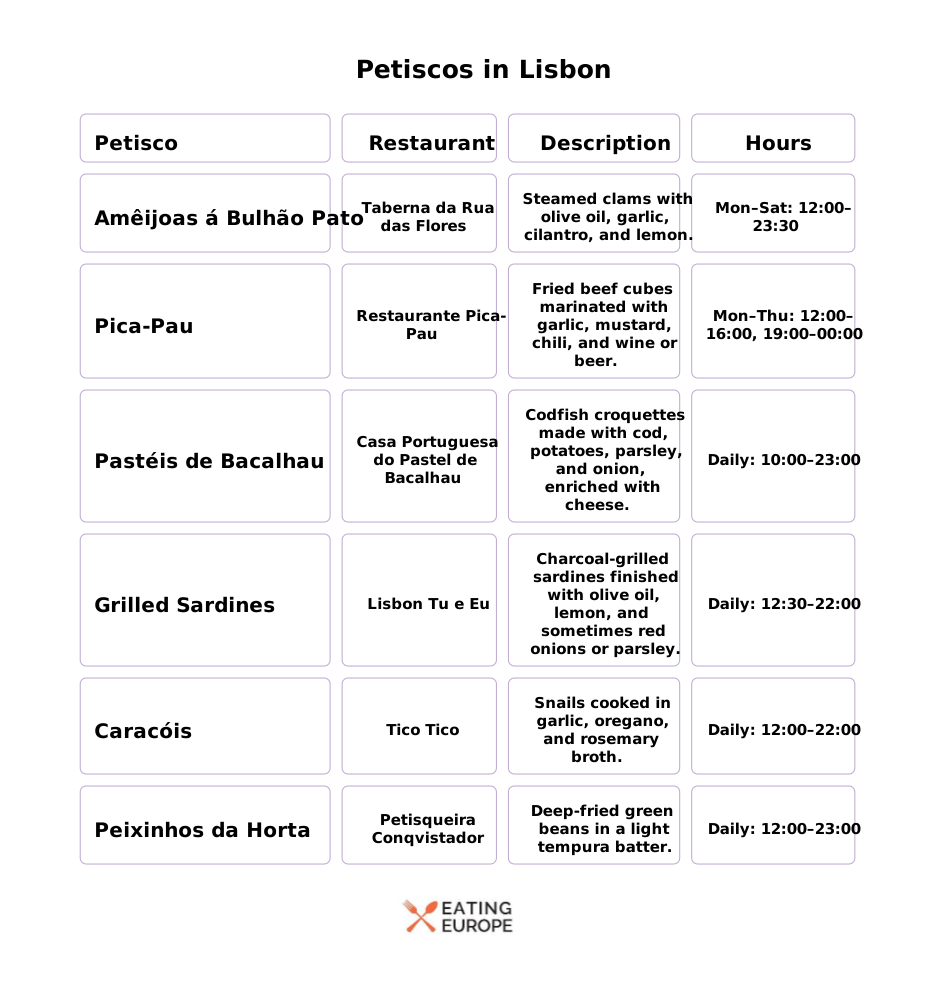
I usually go for amêijoas à bulhão pato on a warm day, but pica-pau hits the spot when it’s chilly out. This particular snack or petisco consists of cubes or strips of fried beef marinated in a blend of garlic, mustard, chili, and white wine or beer.
Many believe this dish traces its roots back to the lands near the Ribatejo region, but little is known about how this pica-pau was developed. Its quirky name, which translates to woodpecker, came to be as it’s served with toothpicks.
In most tascas, pica-pau comes topped with olives alongside a helping of pickled carrots and cauliflowers.
Where to Eat It?
Restaurante Pica-Pau is home to my favorite take on pica-pau. If you haven’t guessed by the name, this place specializes in pica-pau, and its chic patio area is the ultimate spot to dig into some hearty beef chunks.
Each piece of juicy beef here is cooked to perfection, and the meaty juices enhance the flavors of the spicy mustard and fiery chili. The sour tang from the pickled vegetables added greater depth to the flavor palette.
Restaurante Pica-Pau (€€) – R. da Escola Politécnica 27, 1200-244 Lisboa, Portugal – Open every Monday to Thursday from 12:00 pm to 4:00 pm and from 7:00 pm to 12:00 am, Friday from 12:00 pm to 4:00 pm and from 7:00 pm to 1:00 am, Saturday from 12:00 pm to 1:00 am, and every Sunday from 12:00 pm to 12:00 am
Pastéis de Bacalhau
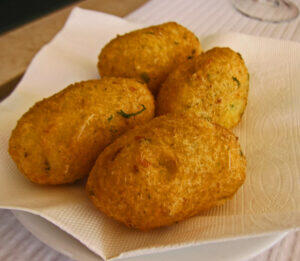
Pastéis de Bacalhau are cod fish-filled croquettes that are easily among the most recognizable petiscos in Lisbon.
Like many of the city’s finest dishes, the origins of pastéis de bacalhau are unclear. However, they likely came about at some point during the 1800s, as this was when similar recipes began to appear in cookbooks.
These deep-fried delights combine cod, potatoes, parsley, and onion and are traditionally presented with a handful of lemon wedges.
Where to Eat It?
Casa Portuguesa do Pastel de Bacalhau is a popular spot for this snack and for good reason. Even with its picture-perfect old-school interior, all the focus here is on its delectable pastéis de bacalhau.
The pastry chefs here put a spin on the classic recipe, adding creamy Serra da Estrela to each croquette. This cheese enrichens the delicate flavors of the flaky cod, soft potato, and crunchy batter.
Casa Portuguesa do Pastel de Bacalhau (€€) – R. Augusta 106, 1100-053 Lisboa, Portugal – Open every day from 10:00 am to 11:00 pm
Caracóis
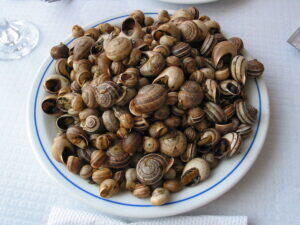
Snails are closely associated with French cuisine, but France’s European neighbors are just as fanatical about them. Caracóis is the Portuguese word for snail, and they’re found on petisco menus throughout Lisbon.
One of the many foods to hail from the Alentejo region, caracóis are seasonal snacks that appear in tascas and cafes every summer. May until August is typically the only time of year when the weather is warm enough to produce caracóis.
Caracóis are usually cooked in garlic, oregano, and rosemary broth. A portion of bread often comes with this steaming bowl of snails to make the most of the remaining soup.
Where to Eat It?
If I’m in the city during the summer, I try to make it to Tico Tico at least once. It’s a little further out of the center than many of my other favorite spots for petiscos in Lisbon, but its lively atmosphere and superb food are worth making the journey for.
These guys dish out generous portions of these tiny snails. Each one is bursting with punchy garlic and peppery oregano that elevate the mild flavors of the chewy snails.
Tico Tico (€€) – Av. Rio de Janeiro 19, 1700-330 Lisboa, Portugal – Open every day from 12:00 pm to 10:00 pm
Peixinhos da Horta
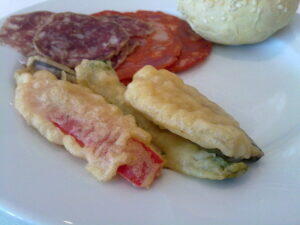
Many Portuguese petiscos tend to center around seafood and, to a lesser extent, meat, but there are also plenty of veggie-friendly alternatives. An especially tasty meat-free dish is peixinhos da horta, which are deep-fried green beans.
These stick-shaped snacks resemble narrow pieces of battered fish, and as such, their name translates to little fish from the garden. Although the history of peixinhos da horta is still up for debate, some believe they’ve been around for almost 500 years.
In most tascas(taverns), these come with a dollop of tartar sauce or mayonnaise for dipping.
Where to Eat It?
Stepping into Petisqueira Conqvistador can feel like walking into someone’s kitchen. The wooden decor, murals, and relaxed atmosphere gave it an earthy but chic vibe.
My peixinhos da horta arrived in a crispy tempura batter, adding richness to the gently sweet, firm green beans. On the side was silky, pungent pepper sauce, which I thought was an unconventional but well-matched accompaniment.
If you’ve ever joined my food and wine tours in Lisbon, you may have heard me mention how well these pair with the tropical undertones of an arinto white.
Petisqueira Conqvistador (€€) – Tv. de São Bartolomeu 4, 1100-059 Lisboa, Portugal – Open every day from 12:00 pm to 11:00 pm
Our Guides’ Favorite Seafood Petiscos
We believe that “petiscar” is an essential Portuguese verb that describes the art of slow, social snacking. Our team has identified the best spots for “salada de polvo” and “amêijoas à Bulhão Pato,” where the freshness of the Atlantic is the star. These small plates represent the coastal identity of Lisbon and are perfect for sharing with friends over a cold beer.
Grilled Sardines
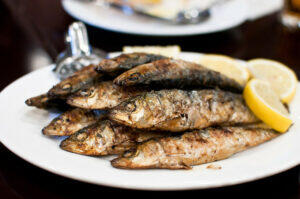
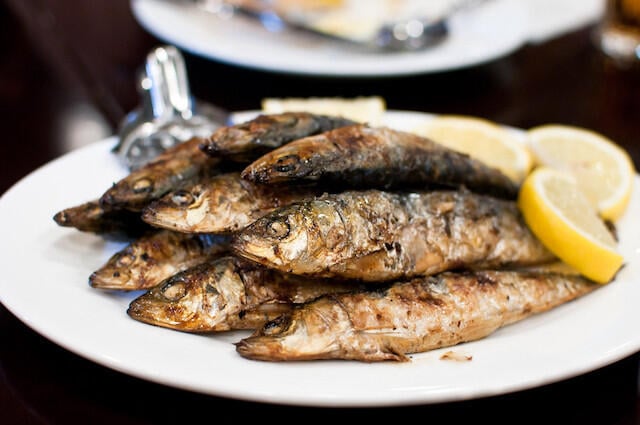
Seafood is at the heart of Portuguese cuisine, and grilled sardines play a starring role.
Sardines have been a staple for Lisbon locals for centuries, thanks to the city’s long-standing affiliation with the Atlantic. Over the years, grilling these flavor-packed fish over charcoal has become a summertime tradition, as sardines are typically only available from May to August.
The traditional way of serving sardines is with just a touch of lemon, olive oil, and a side of bread.
Where to Eat It?
Lisbon Tu e Eu is a homely haunt with colorful tables spilling out onto the cobblestone streets. As charming as the setting is, the quality of the food left me dreaming of another visit.
The grilled sardines here live up to all the hype they get. Served with a dusting of tart red onions and bitter parsley, the briny, oily fish flavors become more intense with each bite. I teamed it with a glass of citrussy albarino from the wine list that countered the salty notes from the fish.
Lisbon Tu e Eu (€) – R da Adiça 58, 1100-116 Lisboa, Portugal – Open every day from 12:30 pm to 10:00 pm
Amêijoas á Bulhão Pato
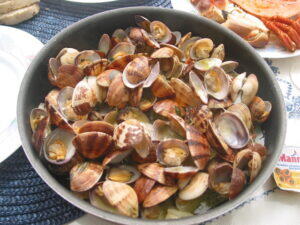
Amêijoas á bulhão pato are Portuguese-style clams typically steamed with olive oil, cilantro, garlic, and lemon; the ingredients are simple, but the results are divine.
This prized dish dates back to the 19th century. It takes its name from the Portuguese poet Raimundo Bulhão Pato, famously fond of this tasty combination of ingredients. Although Pato had nothing to do with its creation, his love for this dish earned him an ever-lasting association with it!
Nowadays, amêijoas á bulhão pato is usually served as an appetizer, and you’ll often see it accompanied by some crusty bread for dipping.
Where to Eat It?
Taberna da Rua das Flores is one of the many incredible Lisbon spots for amêijoas á bulhão pato. The vintage decor takes me back in time whenever I walk inside, and it’s a fitting setting for enjoying an age-old recipe like this one.
The clams here tasted so fresh and mineral-like, with just the right level of sweet and savory notes. What really took the dish up a notch were the cilantro’s clean flavors and the lemon’s sharp acidity.
Taberna da Rua das Flores (€€) – Rua das Flores 103 109, 1200-194 Lisboa, Portugal – Open every Monday to Saturday from 12:00 pm to 11:30 pm and every Sunday from 12:00 pm to 6:00 pm
Provenance of Lisbon’s Petiscos
The soul of a great petisco lies in the quality of the olive oil and the specific regional herbs like coriander and oregano. We look for kitchens that source their seafood from the Setúbal peninsula and their cured meats from the interior plains of the Alentejo. This reliance on local provenance ensures that even the smallest snack carries the full weight of Portuguese culinary tradition. Supporting these local producers helps maintain the high standards of our vibrant snack culture.
Petisco Etiquette in Lisbon
When we go out for petiscos, we usually order several different plates for the table to share rather than individual main courses. It is customary to use bread to soak up the flavorful sauces left at the bottom of the dish, a practice we call “molhar o pão.” We find that the best time to enjoy these small plates is in the late afternoon or early evening as a bridge between work and dinner. Remember to check if the “couvert” items on the table are included or if you will be charged for what you consume.
Conclusion
Whether you’re a first-timer hoping to sample authentic fare or a returning visitor looking for a local experience with some good food, trying out a few petiscos is a must.
These small dishes showcase the finest Portuguese food and, better still, allow you to sample an abundance of dishes all at once!

Heart of Lisbon Food Tour: Baixa, Chiado & Bairro Alto
Explore the beating heart of Lisbon on a tour of underground restaurants, famous local landmarks and award-winning regional dishes.
- Mon-Sat
- 3 Hours
- Small Group

Undiscovered Lisbon Food & Wine Tour
Discover hidden gems in Lisbon locals' favorite neighborhood, Mouraria
- Daily
- 3.5 Hours
- Small Group

Best of Lisbon Tuk Tuk Food Tour
The best food and history of Lisbon plus a Tuk Tuk ride! A half day adventure discovering Lisbon's best foods and secrets.
- Daily
- 4 Hours
- Small Group