
Amsterdam is a city that loves food. Whether it’s snacking on a stroopwafel, filling up on new herring, or going to the latest restaurant to check out the menu, food is something that Amsterdammers are passionate about.
Sadly, you won’t be able to take herring or bitterballen on the plane, though it’s probably better that way. We have rounded up the perfect foodie gifts that you should be able to pack in your suitcase.
Our Guides’ Favorite Local Delicacies
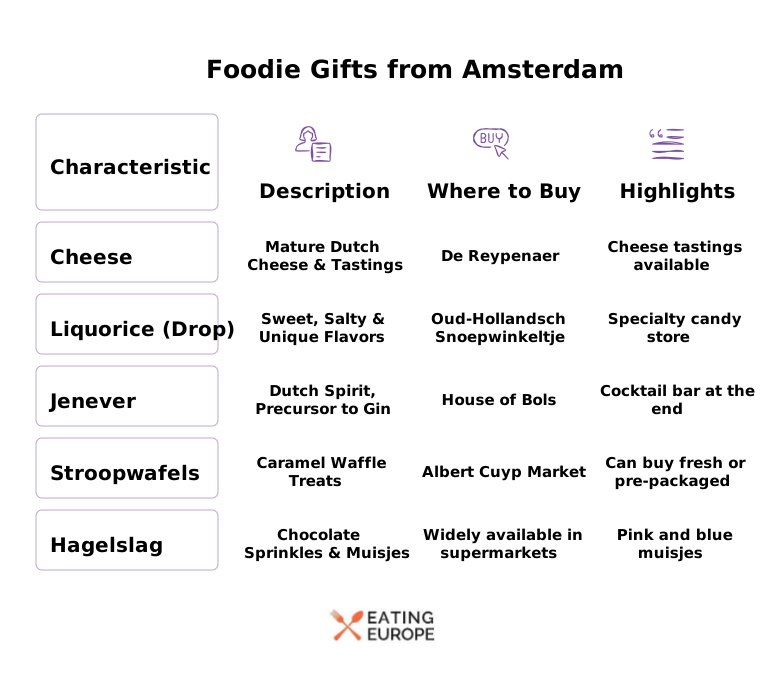
We believe that the best gifts are the ones you can taste, and Amsterdam offers a wealth of unique flavors. Our team has selected items that are genuinely loved by locals, ensuring you take home a piece of our true culture. These products represent the high standards of Dutch craftsmanship and culinary heritage.
Jenever
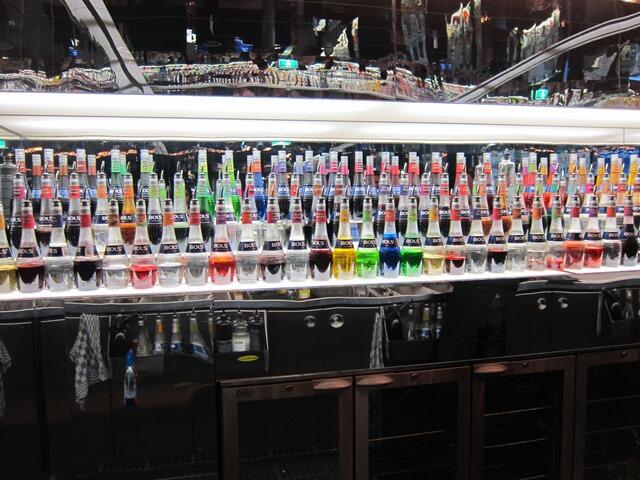
Jenever is the Dutch spirit that gin evolved from, and it comes in many different forms. There are the traditional varieties – old and young – and there are even flavored versions for those with a sweeter tooth. To try before you buy, check out the House of Bols where you get to taste the Jenever at the end in their cocktail bar.
Paulus Potterstraat 14
020 570 8575
houseofbols.com
Open: Sun – Thu 12 noon – 6 pm, Fri 12 noon – 10 pm, Sat 12 noon – 8 pm
Hagelslag
Hagelslag, or sprinkles as we know them, are quite a novelty for people who are visiting. They come in various forms – chocolate, pink, or blue. The chocolate sprinkles or flakes are eaten on bread at breakfast or lunch time. The pink and blue varieties are called muisjes, and are used when a couple finds out the gender of their baby. The pink sprinkles are for girls, and blue for boys. They are sprinkled on a beschuit – a thin biscuit, by way of celebration. You can buy these in any supermarket.
Cheese
Cheese is a classic Dutch staple food. Locals eat it for breakfast on bread, and the same at lunch. I am sure that they would eat it for dinner, too, if they could. In my opinion, the mature the cheese the better, because it has a much stronger taste than a classic Gouda. But make sure you try it before you take it home with you, as for many it is an acquired taste. With goat’s cheese, cow’s cheese and even sheep’s cheese, there are plenty to choose from, and one well-known producer is Reypenaer, known for its traditionally matured Dutch cheeses. More information about their cheese maturation process can be found here.
Selected Traditional Sweet Treats
We have a soft spot for the classic Dutch biscuits and syrups that have been enjoyed in our homes for generations. From spiced speculaas to the iconic stroopwafel, our selection focuses on high-quality producers who avoid artificial additives. These sweets are a simple but profound way to share the spirit of Amsterdam with friends and family.
Liquorice
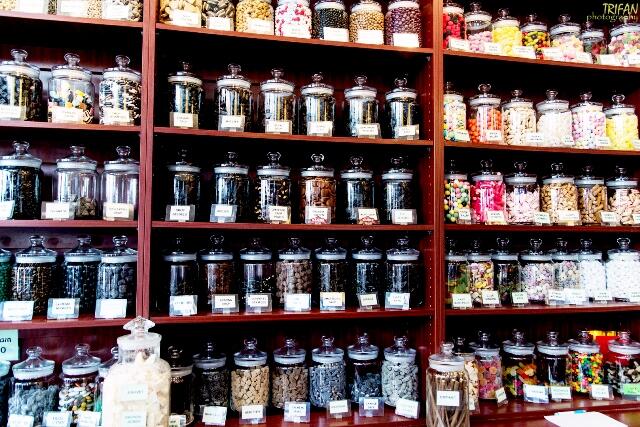
Liquorice, or ‘ drop’ as the Dutch call it, is incredibly popular in the Netherlands. There are several different types (sweet, salty, soft and hard) and flavors (honey or blueberry, for example). You can buy it in every supermarket and pharmacy, but my favorite place to get hold of it is in the Jordaan. Visit the Oud-Hollandsch Snoepwinkeltje, which translates to “Old Holland candy store”, because when I went there she managed to convert my dad into a liquorice eater by suggesting he try the blueberry flavour. Alternatively, take Eating Amsterdam’s Jordaan Food Walk for a complete liquorice tasting experience!
Tweede Egelantierdwarsstraat 2
020 420 7390
snoepwinkeltje.com
Open: Tue – Sat 11 am – 6.30 pm
Stroopwafels
Stroopwafel is one of my favorite sweet Dutch treats. It’s a sticky caramel waffle that you’ll find in supermarkets, tourist shops, and on markets. It’s better if they are freshly made, and markets are great for this. My favorite is on the Albert Cuyp market – you can buy them pre-packaged to take home with you, or freshly made in front of you. Find out how to make stroopwafels yourself in our recipe.
Albert Cuypstraat
albertcuypmarkt.nl
Open: Mon – Sat 9 am – 5 pm
Sustainable Foodie Gifts in Amsterdam
We encourage visitors to look for gifts with the “EKO” label, which signifies certified organic production in the Netherlands. Choosing products from local cooperatives helps support our small-scale farmers and ensures the longevity of traditional Dutch agricultural practices. We find that artisanal honey and small-batch jams from the city’s outskirts are excellent sustainable options. Supporting these producers helps maintain the green belts that surround our urban landscape.
Dutch Gift Etiquette
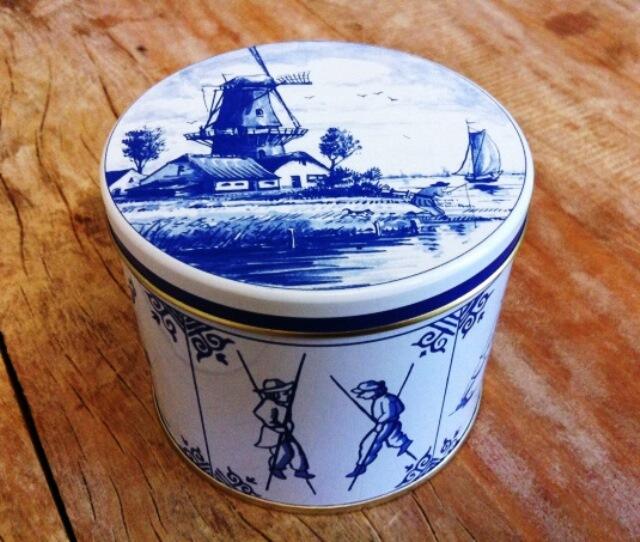
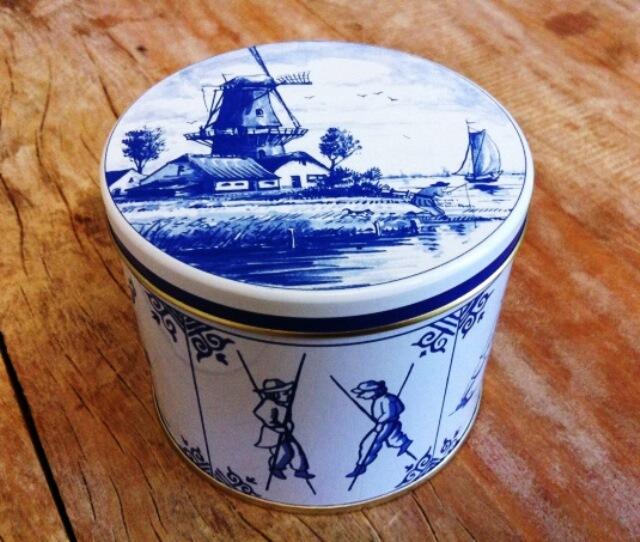
When buying cheese to take abroad, we always recommend asking the shop to vacuum-seal your purchase for travel. Most traditional cheese shops are happy to provide this service, which keeps the product fresh and prevents any odors during your journey. We often gift food in beautiful tins or “Delfts Blauw” packaging to add a touch of Dutch artistic heritage to the present. We believe that the care put into choosing and packing a gift reflects our local values of quality and thoughtfulness.


Jordaan Food Tour: Special 10 Year Anniversary Edition
Eat Like a Local through Amsterdam's Jordaan neighbourhood.
- Daily
- 3 Hours
- Small Group

Eating Amsterdam: Food & Canals Tour
A 5-star-rated food tour and a private canal cruise in one unforgettable afternoon.
- Daily
- 3.5 Hours
- Small Group

Amsterdam Light Festival Food Tour
A guided walking tour of the Amsterdam Light Festival with authentic local food stops along the way.
- Daily
- 4 Hours
- Private tour
- Mon - Fri
- 2.5 Hours
- Small Group