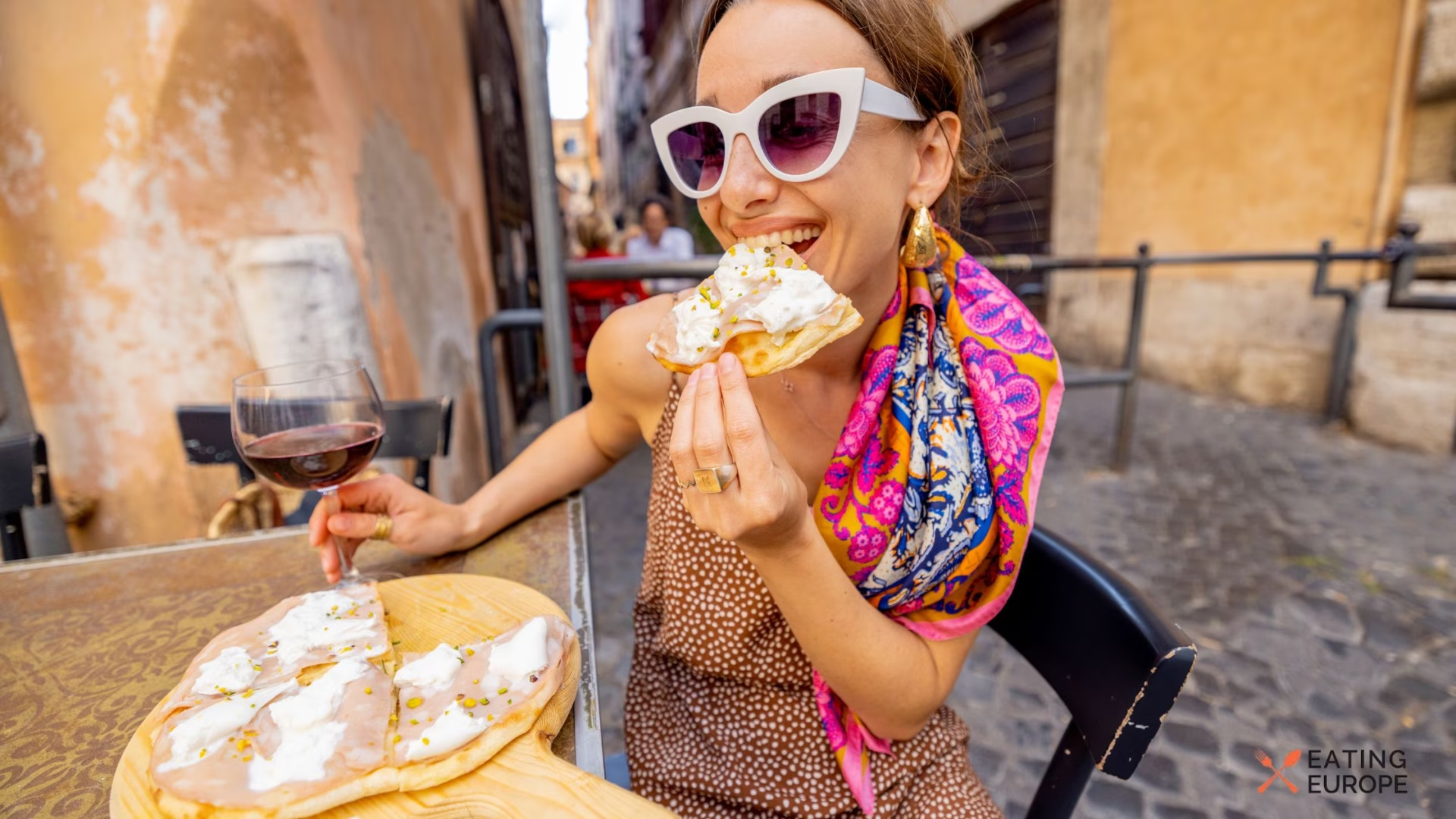
What defines a dream vacation in 2026? Well, for the intrepid American traveler, the answer isn’t found in a museum or the long queues of a must-see monument—it’s literally served on a plate.
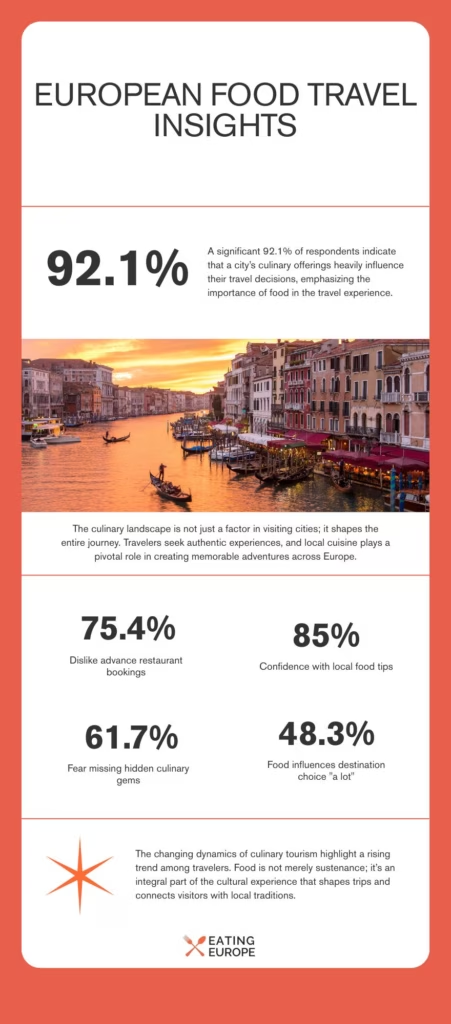
In our survey of 750 U.S travelers, an overwhelming 92.1% of respondents say a city’s food scene influences where they choose to go, making it one of the most powerful drivers of tourism today.
And the wider data makes a few other things unmistakably clear: the 2026 food travel landscape is all about authenticity, spontaneity, and local expertise.
Today, food is no longer an afterthought or a supporting feature of a trip; it is a primary engine of global tourism. From the growing hunt for hidden, local gems to the discovery of Europe’s most underrated culinary hotspots, traditional culinary capitals are being reassessed, rigid planning is falling out of favor, and travelers are increasingly looking for confidence and context when exploring unfamiliar cuisines.
So, whether you’re exploring new travel trends or mapping out your next European adventure, this report breaks down the countries, cities, and habits shaping Europe’s travel landscape through the lens of U.S. food tourists!
Key Takeaways
- Taste Matters — 92.1% say food influences which cities and countries they choose to visit.
- Overplanning is Out — 75.4% of travelers say they dislike booking restaurants months in advance.
- People Love Hidden Gems More than Michelin Stars — 61.7% fear missing local, hole-in-the-wall spots more than famous landmarks or iconic dishes.
- Culinary Capitals are Changing — Rome remains the top foodie wish-list city, while Paris is increasingly described as “overrated.”
- Local Insight Fuels a Love for Food — 85% of travelers feel more confident trying new foods when guided by insider tips or local expertise.
Familiar Favorites, Expanding Tastes: Italy still reigns, but American food travel interest is growing
American travelers’ culinary excitement in 2026 remains anchored in familiar food destinations, but the data shows a clear broadening of interest beyond the traditional leaders. While Italy, France, and Spain continue to dominate, growing enthusiasm for countries like Greece and Portugal suggests that travelers are increasingly motivated by regional depth, casual dining cultures, and everyday local food experiences rather than prestige alone.
Top European Food Countries Ranked
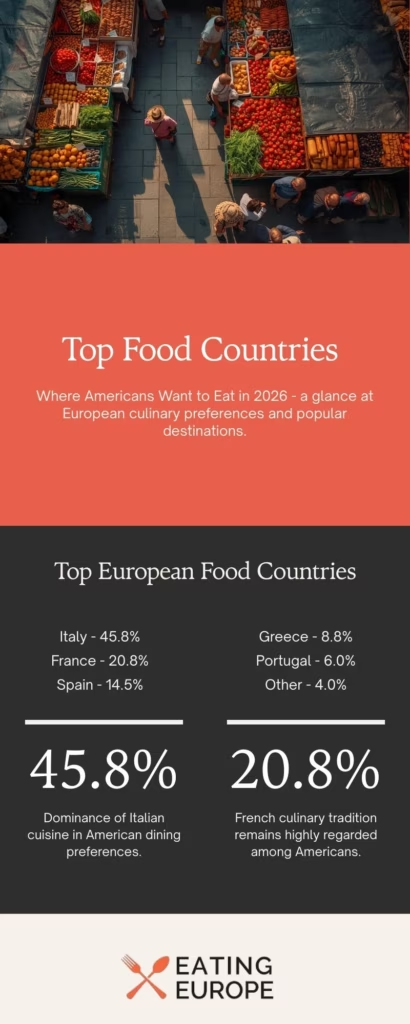
- Italy (45.8%) – Leads decisively, driven by pasta, pizza, and unmatched regional diversity.
- France (20.8%) – Remains highly influential, though excitement is more concentrated around traditional expectations.
- Spain (14.5%) – Appeals through tapas culture, walkable food scenes, and social dining.
- Greece (8.8%) – Emerging interest tied to fresh ingredients, street food, and regional specialties.
- Portugal (6.0%) – Gaining traction for its seafood-driven cuisine and casual dining culture.
- Other European Countries (4.0%) – Indicates appetite for exploration beyond the most established food destinations.
Iconic Cities, Everyday Eating: Travelers favor cities where great food feels local, casual, and easy to discover.
At the city level, excitement concentrates around destinations where food culture feels accessible, deeply rooted, and easy to explore. The data favors cities that balance iconic dishes with strong neighborhood dining scenes, reinforcing the broader shift toward walkable, casual, and locally driven food experiences.
Top European Food Cities Ranked
- Rome (29.3%) – The clear leader, driven by iconic Roman dishes, neighborhood trattorias, and an everyday food culture that rewards spontaneous discovery.
- Paris (27.3%) – Still commands strong interest, though excitement reflects a more selective relationship with traditional culinary prestige.
- Barcelona (19.4%) – Appeals through tapas culture, markets, and social, late-night dining woven into daily life.
- Amsterdam (10.6%) – Growing interest tied to its diverse food scene and relaxed approach to dining.
- Lisbon (6.4%) – An emerging favorite, fueled by seafood, pastries, and strong value perception.
- Prague (4.3%) – Attracts travelers looking for hearty local cuisine and accessible, affordable dining.
Food Comes First: For U.S travelers, what’s on the plate now drives where they go
Food is no longer something travelers fit in once they arrive—it’s the reason they choose where to go in the first place. Culinary reputation now rivals history and architecture as a deciding factor, with travelers increasingly willing to bypass marquee destinations in favor of cities and neighborhoods known for what’s on the plate. This shift is reshaping how American travelers discover Europe, elevating lesser-known cities through food-first appeal.
- 92.1% say a city’s food scene influences which cities they choose to visit
- 48.3% say food influences their destination choice “a lot”
- 70.5% would visit a less-famous city specifically for its food scene
Authentic Beats Exclusive: Hidden gems matter more than hype, buzz, or famous reservations
The era of the celebrity restaurant is cooling. For today’s food-focused traveler, authenticity matters more than hype, with travelers far more concerned about missing the soul of a city than its most famous tables. Rather than chasing buzzworthy reservations, Americans increasingly want to eat where locals eat—and discover places they wouldn’t find on a highlight reel.
- 61.7% fear missing out on true hidden-gem spots
- Only 20.7% worry about missing a famous or iconic dish
- 53.9% are most excited by discovering a tucked-away, locals-only spot
- Just 14.5% are motivated by securing a hard-to-get reservation at a hyped restaurant
Spontaneity Over Schedules: Flexible dining now defines the ideal food travel experience
Rigid, months-in-advance dining plans are losing their appeal. American travelers increasingly want the freedom to explore food organically—following recommendations, stumbling into busy local spots, and letting appetite guide the day rather than another itinerary or reservation calendar. Flexibility has become a core part of the food travel experience.
- 75.4% say they dislike booking restaurants months in advance
- Spontaneous dining is preferred over fixed itineraries
- Travelers associate flexibility with more authentic food experiences
Street Food Takes Center Stage: Everyday local eats outperform fine dining and tasting menus
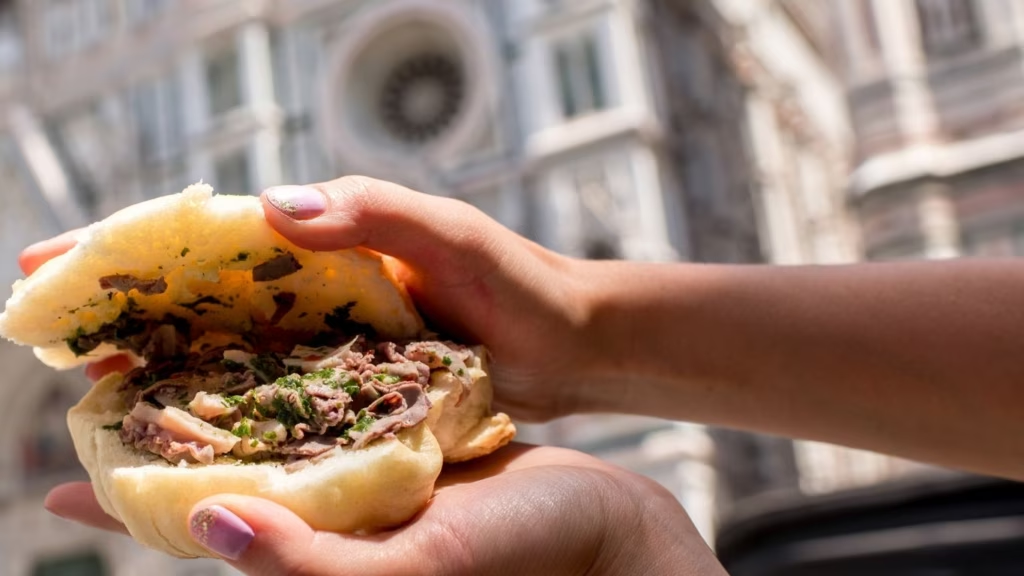
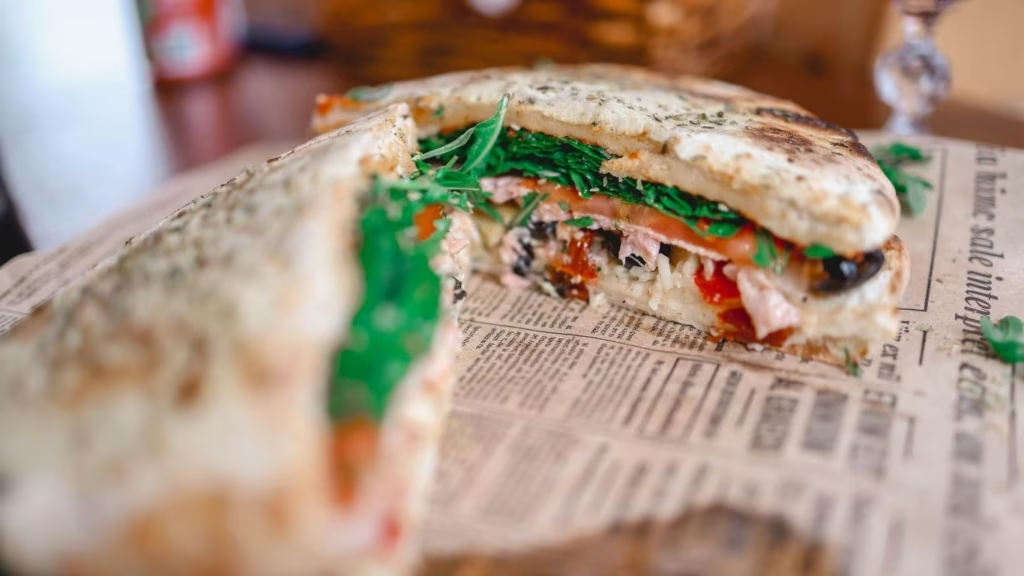
In 2026, American travelers are gravitating toward food experiences that feel immediate, accessible, and woven into everyday city life. Rather than carving out time for long, formal meals, travelers are increasingly excited by street food, markets, and casual walk-in spots that allow them to eat well without disrupting the rhythm of exploration. These formats offer flexibility, affordability, and a stronger sense of place—often delivering the most memorable bites of a trip.
While hyper-local specialties remain a close second, the clear takeaway is that travelers want food that fits naturally into how they move through a city. Big tasting menus and fine-dining experiences, once the pinnacle of food travel, now appeal to a smaller segment of travelers seeking structure over spontaneity.
- 30.4% are most interested in more street food and casual, walk-in dining
- 28.4% are drawn to hyper-local, “only from here” specialties
- 17.3% prefer modern or fusion twists on traditional dishes
- 10.9% are most excited by fine-dining or tasting menu experiences
- 8.9% prioritize plant-based or vegan versions of local dishes
Exploration, Not Algorithms: When it’s time to eat, travelers rely on practical tools—not social hype
Despite the prevailing narrative that social media dictates every move of the modern traveler, our findings suggest a more practical reality. When it comes to deciding where to eat, American travelers continue to prioritize tools that offer reliability, clarity, and real-world usefulness over purely aspirational content. Visual inspiration may spark interest, but trusted information—and human expertise—ultimately guide dining decisions on the ground.
When choosing where to eat:
- Google Maps (45.7%): The top choice for travelers, valued for its reviews and proximity features.
- TikTok & Instagram (24.7%): While influential for visual inspiration, social media trails significantly behind utility-based search.
- Food Tours & Local Guides (23.6%): Nearly as popular as social media, showing that travelers increasingly value “curated” human expertise over algorithmic suggestions.
Confidence Through Context: Local insight helps travelers cross the gap between curiosity and action
Trying new things can be intimidating, even for seasoned travelers. The survey found that 85.0% of people feel more confident trying new, unfamiliar foods when they have insider tips or local guidance.
This is the “confidence gap” that separates a good meal from a life-changing travel experience. Travelers in 2026 are looking for a bridge between their curiosity and the local culture. They don’t just want to eat; they want to understand what they are eating and why it matters to the community.
Eat Like a Local, See the Real World
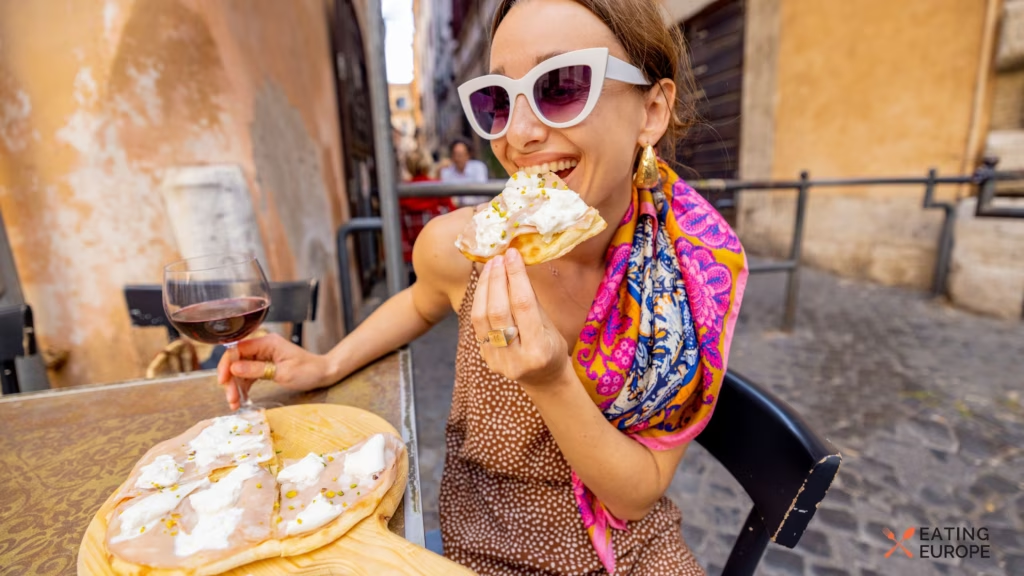
The 2026 traveler is savvy, value-conscious, and tired of the “hype machine.” They are moving away from the “Instagram-famous” cafes and toward the cosy, crowded, and hidden spots that define the heart of a city.
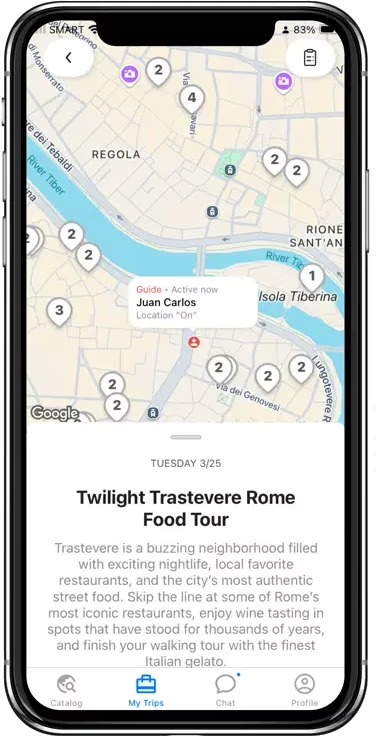
At Eating Europe, this shift isn’t new. For over a decade, our tours have been built around exactly what today’s travelers want: access to real kitchens, real neighborhoods, and real stories that don’t appear on a standard tourist map. By pairing local expertise with flexibility and context, we help travelers move through Europe the way locals do—one meaningful bite at a time.
Survey Methodology
The 2026 Europe Food Travel Survey was conducted in December 2025 via Pollfish. The study surveyed 750 U.S. adults who confirmed they are “definitely” or “most likely” planning leisure travel to Europe in 2026. The results were post-stratified to ensure a representative sample of the U.S. traveling public by age and gender. All percentages are rounded to the nearest tenth. For media inquiries or full data sets, please contact Eating Europe.
Sources
Eating Europe – The Best Food Tours In Europe. (n.d.). Eating Europe. Retrieved January 9, 2026, from https://www.eatingeurope.com/
Who Are Food Travelers? (2019, August 20). World Food Travel Association. https://www.worldfoodtravel.org/news-who-are-food-travelers
MICHELIN Restaurants – The MICHELIN Guide. (n.d.). The MICHELIN Guide. Retrieved January 9, 2026, from https://guide.michelin.com/en/restaurants
Italy Food Tours | Eating Europe. (n.d.). Eating Europe. Retrieved January 9, 2026, from https://www.eatingeurope.com/italy-food-tours/
France Food Tours | Eating Europe. (n.d.). Eating Europe. Retrieved January 9, 2026, from https://www.eatingeurope.com/france/
Spain Food Tours | Eating Europe. (n.d.). Eating Europe. Retrieved January 9, 2026, from https://www.eatingeurope.com/spain/
Greece Food Tours | Eating Europe. (n.d.). Eating Europe. Retrieved January 9, 2026, from https://www.eatingeurope.com/greece/
Portugal Food Tours | Eating Europe. (n.d.). Eating Europe. Retrieved January 9, 2026, from https://www.eatingeurope.com/portugal/
Eating Europe. (n.d.). Rome food tours. Retrieved January 9, 2026, from https://www.eatingeurope.com/rome/
Eating Europe. (n.d.). Paris food tours. Retrieved January 9, 2026, from https://www.eatingeurope.com/paris/
Eating Europe. (n.d.). Barcelona food tours. Retrieved January 9, 2026, from https://www.eatingeurope.com/barcelona/
Eating Europe. (n.d.). Amsterdam food tours. Retrieved January 9, 2026, from https://www.eatingeurope.com/amsterdam/
Eating Europe. (n.d.). Lisbon food tours. Retrieved January 9, 2026, from https://www.eatingeurope.com/lisbon/
Eating Europe. (n.d.). Prague food tours. Retrieved January 9, 2026, from https://www.eatingeurope.com/prague/