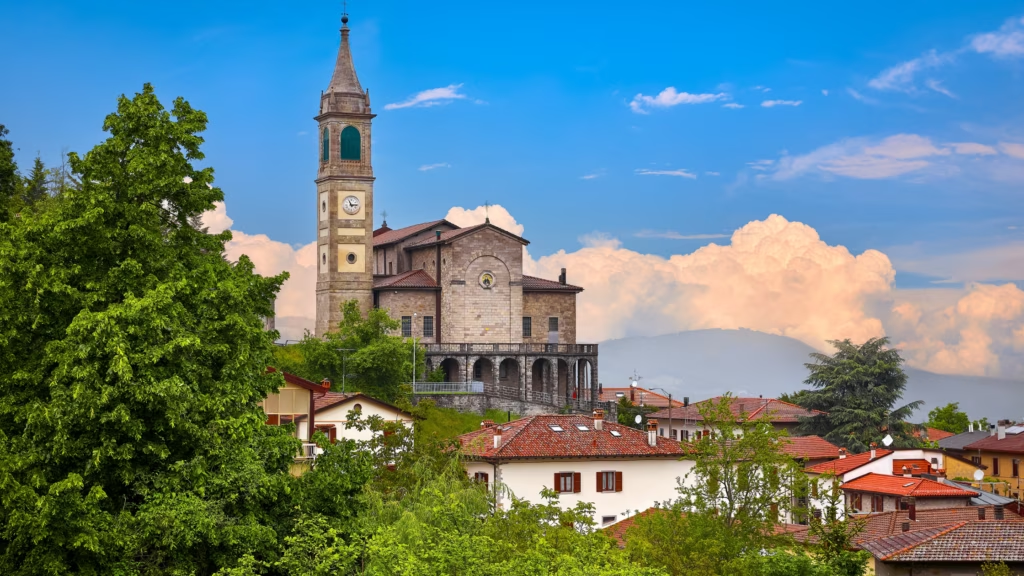
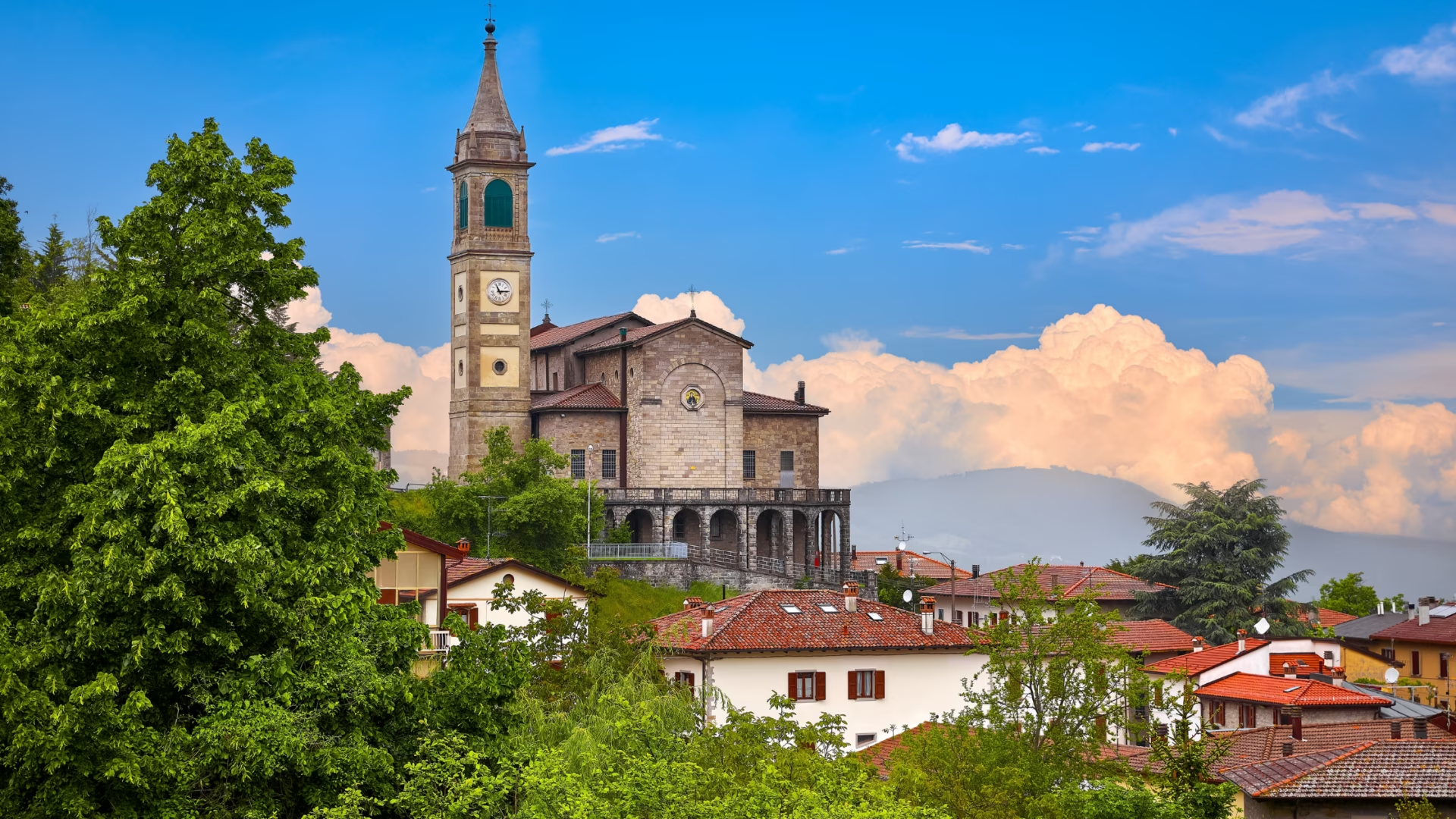

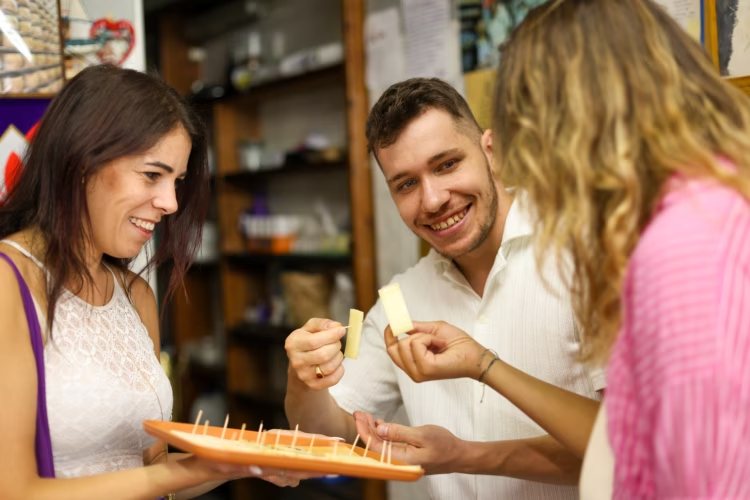

Step outside of Florence and the scenery changes immediately. The countryside opens up into rolling hills, rows of cypress trees, vineyards, and olive groves. Quiet roads wind between old farmhouses, and hilltop towns sit peacefully and seem as if they have barely changed for centuries.
Why the Florence Countryside Is a Must-Explore Region
This part of Tuscany mixes rural life with an incredible history. Renaissance villas, old abbeys, and medieval villages sit scattered across the landscape, while small communities keep local traditions alive through markets, crafts, and food in Florence’s countryside.
The atmosphere is exactly what people imagine when they think of Tuscany. You’ll smell fresh olive oil and cured meats from tiny eateries, hear church bells echo through the valleys, and feel the fresh breeze drifting across the vineyards. It’s the perfect setting for slow travel, scenic drives, cycling routes, or relaxed walking tours.
If you’ve ever joined one of our Florence food tours, you’ll know we’re big fans of places that feel authentic and a little less touristy. The Florence countryside delivers exactly that. This is how you can explore it.
Historical Sites and Landmarks
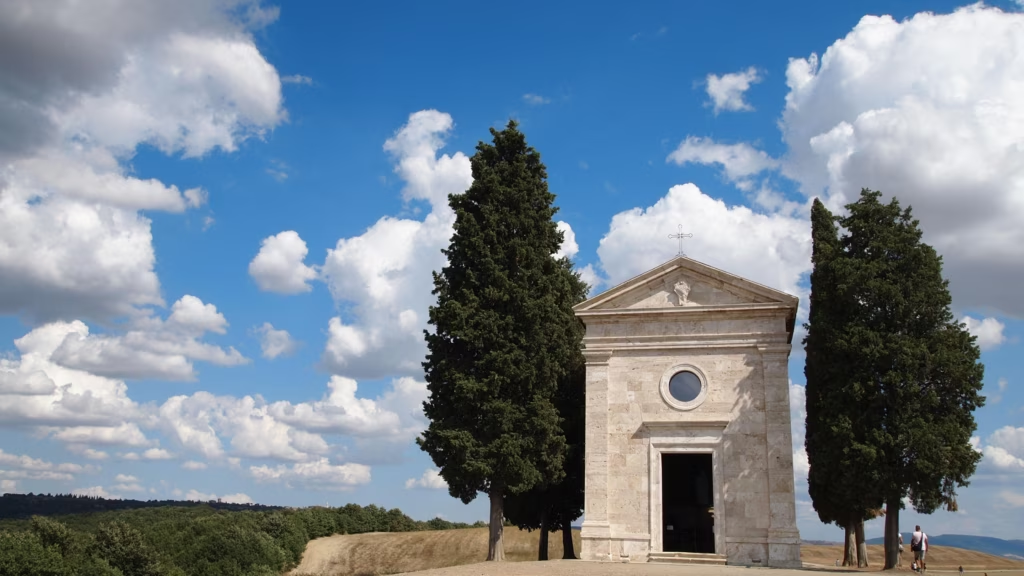
The countryside around Florence is packed with history, and you don’t have to go far to find it. Villas built by powerful Florentine families still stand proudly among the hills. The Medici family, for example, left their mark on grand properties such as Villa di Castello and Villa La Petraia.
Beyond the villas in Florence’s countryside, you’ll find abbeys, monasteries, and even structures that date back to Roman times. Medieval towns are another big highlight. Places like Monteriggioni, with its stone walls and towers, provide insight into a unique period of this part of Tuscany’s history.
If you enjoy beautiful architecture, make sure to visit important ancient churches and marvelous palace complexes, such as the Palazzo dei Vicari.
Notable Towns and Villages
One of the best ways to enjoy the Florence countryside is by hopping between small towns and villages. Each place has its own personality with scenic landscapes and outdoor activities, and most of them are easy to visit as part of popular day trips and tours.
San Gimignano is one of the most famous. It’s characterized by medieval towers, highly detailed art from the Renaissance period, as well as some seriously good gelato.
Then there’s the Medieval city of Siena, which is known for the dramatic Piazza del Campo and the striking Duomo di Siena. The historic center is full of quaint streets that are ideal for getting lost in.
Wine lovers usually head toward Montepulciano, Montalcino, or Pienza. These settlements combine Renaissance architecture with incredible cheese and good vino.
The Chianti region is another classic stop. Expect pretty vineyards, expansive olive oil estates, and charming agriturismi. If you want something a little different, check out Vinci, the birthplace of Leonardo da Vinci, or places like Certaldo and Volterra. There are endless artisan workshops and historic streets here that give the area plenty of character.
Wine and Culinary Experiences
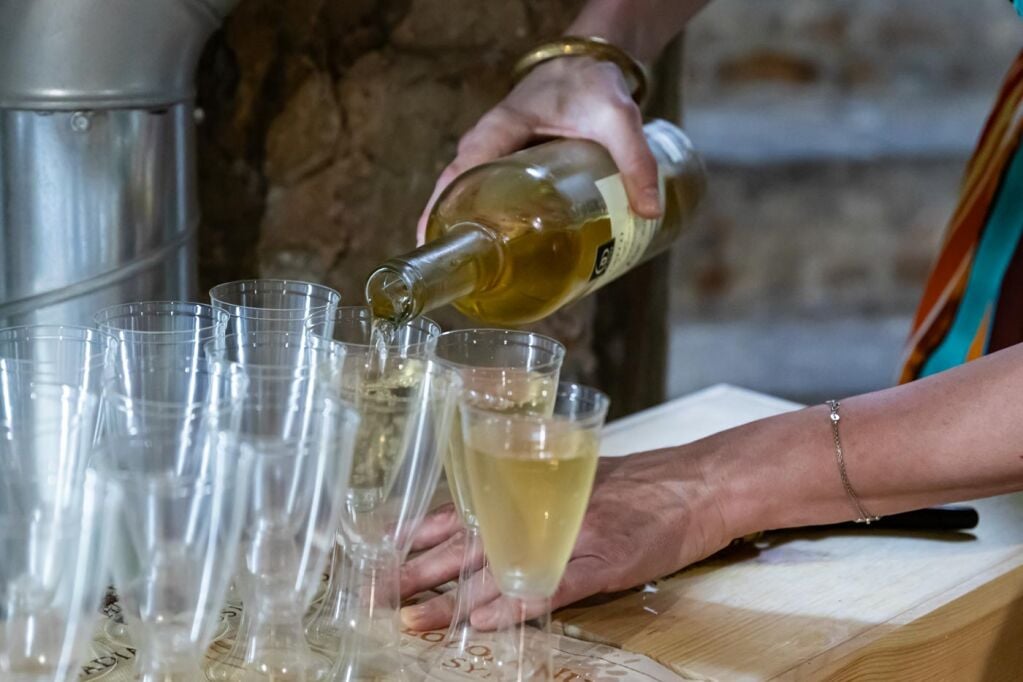
Food and wine are a huge part of life in the Tuscan countryside, and there are plenty of ways to experience both.
The vineyards of Chianti are an obvious starting point. Many wineries like Poggio Amorelli open their doors for tastings and cellar tours to teach tourists how the region’s famous wines are produced.
Agriturismi are another highlight. These countryside farm stays often serve meals made with ingredients grown locally. Expect high-quality fresh cheeses, cured meats, and delicate olive oils.
For something more hands-on, cooking classes are easy to find across the region. Many focus on Tuscan classics, where you get to make dishes with homemade pasta and traditional sauces.
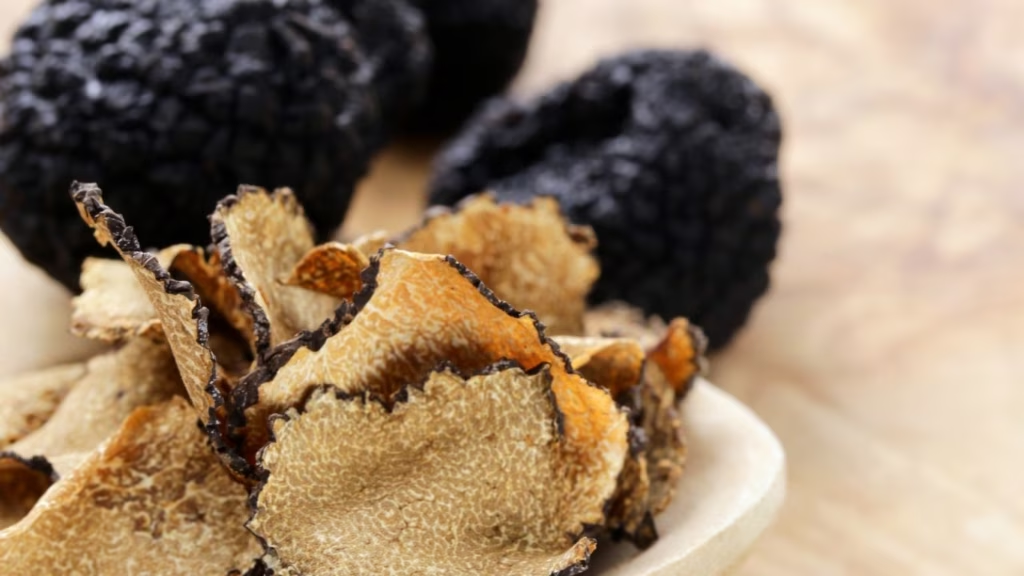
Depending on the time of year, you might also come across truffle-hunting experiences, such as those with Truffle in Tuscany, or food festivals, like the Wild Boar and Tortello.
Planning Tips and Itineraries
- The easiest way to visit the countryside is to base yourself in Florence and take day trips from the city. Many famous settlements are within an hour or two, making them perfect for short tours.
- If you have extra time, spend a night or two in places like Siena or within the Chianti region to experience the slower pace of rural Tuscany.
- When it comes to getting around the rural parts of Florence, you have a couple of transportation options. Guided tours are great if you want everything organised, especially wine tastings. If you want more freedom, renting a car makes it much easier to reach smaller villages. Additionally, you might also be able to take regional trains to certain areas.
- Spring and autumn are usually the best seasons to visit, as the vineyards are full of life and many harvest festivals take place during these periods.
- For the best experience, try to mix things up. Spend a day in a historic town, do a vineyard visit for a few hours, and relax outdoors for a while to really see what the countryside has to offer.
Accommodation Options in the Florence Countryside
If you decide to stay in Florence’s countryside rather than the city itself, there are many accommodation options to choose from.
Historic estates like Castello del Trebbio near Santa Brigida provide a more upscale experience, often surrounded by vineyards and gardens. For something cheaper, check out budget hotels like Hotel Villa San Giorgio, close to San Giorgio, which tend to be more affordable and offer a closer look at rural life in Tuscany.
You’ll also find boutique apartments and self-catering rentals near many towns and vineyards. These can be a good option if you want a bit more space or the flexibility to look around at your own pace.
Events and Cultural Activities
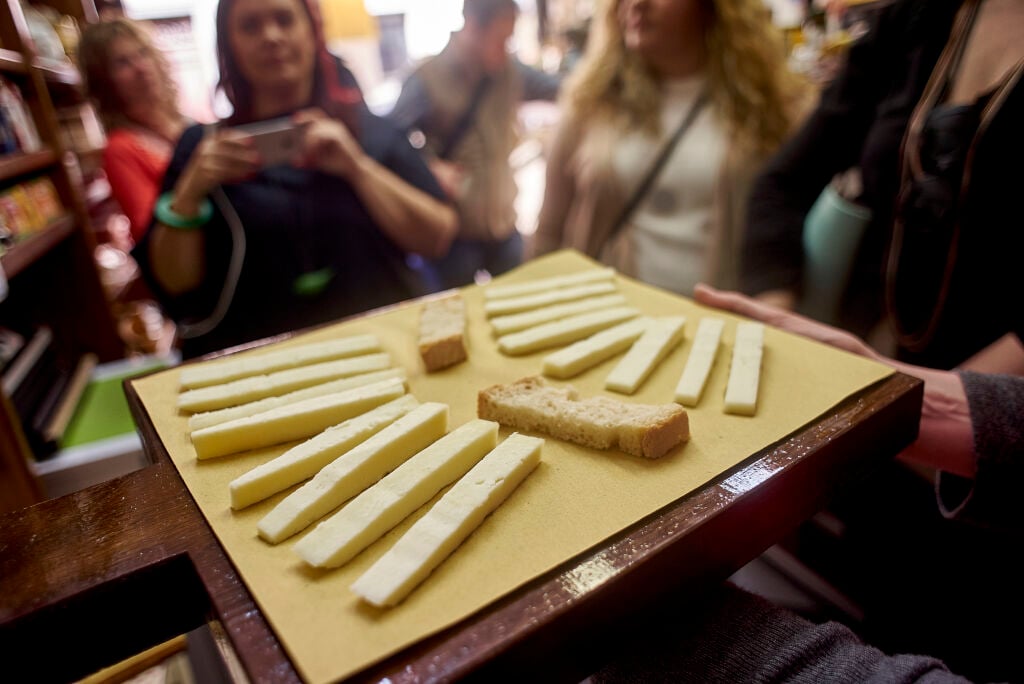
The Florence countryside isn’t just about scenery. There’s always something happening in the rural areas.
Wine harvest festivals are a big deal in this region, and many villages celebrate the season with Chianti wine and cheese events, like Chianti Classico Expo, which are also common throughout the year. Local markets and craft fairs also pop up regularly, giving visitors the chance to browse gastronomic initiatives in villages.
Historic town squares often host concerts, theater performances, and cultural events, particularly in the summer. At other times of the year, religious festivals around Easter bring communities together and keep Tuscan traditions alive.
If you’re interested in learning something new in Florence’s countryside, consider guided tastings, cooking classes, and small workshops. These experiences are a great way to learn more about Tuscan culture with the help of locals.
Sources:
Eating Europe. (n.d.). Florence food tours. Retrieved March 12, 2026, from https://www.eatingeurope.com/florence/
Famiglia Mazzarrini. (n.d.). Famiglia Mazzarrini. Retrieved March 12, 2026, from https://famigliamazzarrini.it/
Truffle in Tuscany. (n.d.). Truffle in Tuscany. Retrieved March 12, 2026, from https://www.truffleintuscany.com/
Castello del Trebbio. (n.d.). Castello del Trebbio. Retrieved March 12, 2026, from https://www.castellodeltrebbio.com/
Hotel Villa San Giorgio. (n.d.). Hotel Villa San Giorgio. Retrieved March 12, 2026, from https://www.hotelvillasangiorgio.it/en/

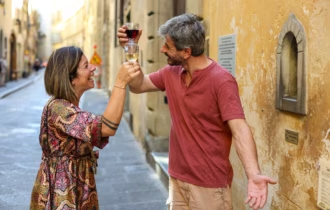
Florence Sunset® Food & Wine Tour
An unforgettable evening filled with wines, fresh pasta, cocktails and an exclusive wine cellar experience.
- Daily
- 3.5 Hours
- Small Group
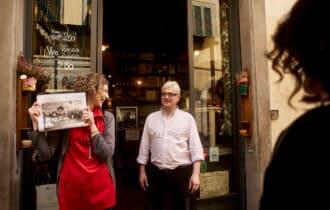
Florence Food & Local Flavors Tour
An intimate culinary experience through Oltrarno, among Tuscan flavors and legendary local hosts
- Mon-Sat
- 3 Hours
- Small Group
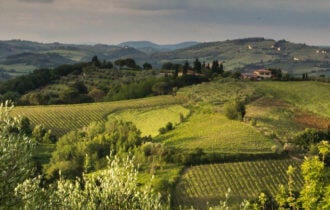
Tuscany Truffle Hunt: A Culinary Adventure
A gourmet culinary adventure with a multi-course meal in the Tuscan countryside.
- 5 Hours
- Small Group