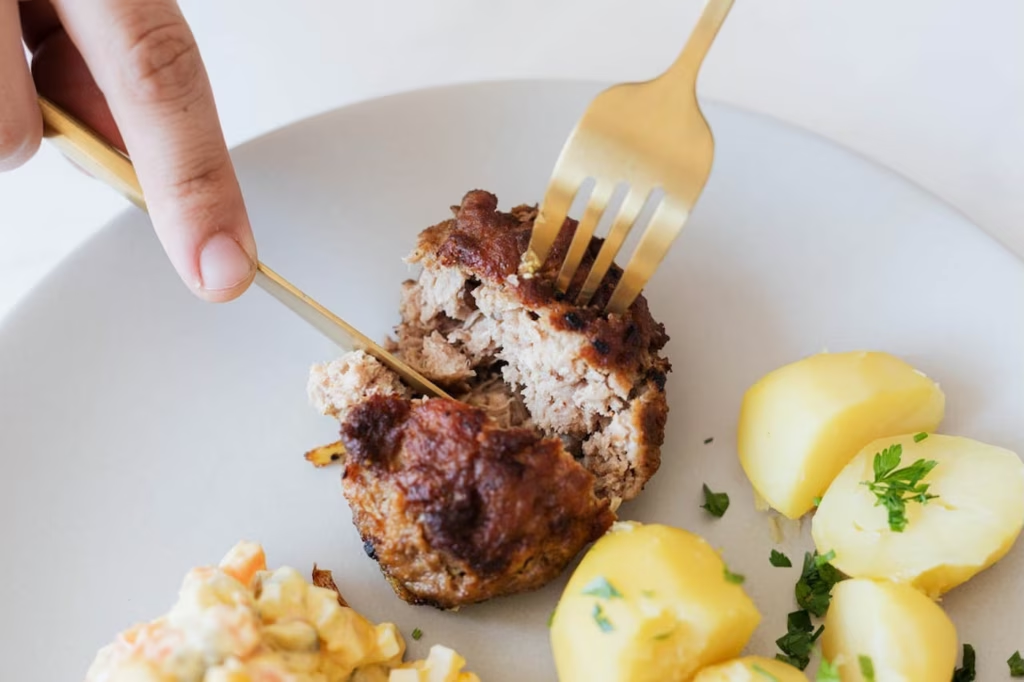

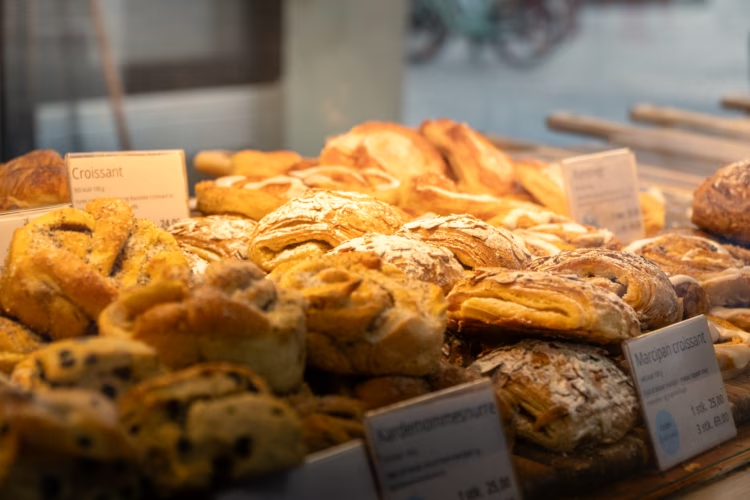
The first time I came to Copenhagen, I was absolutely obsessed with frikadeller. These pan-fried meatballs, made from minced pork and veal, are a huge staple in Denmark. It’s a dish that has been enjoyed across generations and social settings in Denmark, and it remains as popular as ever.
What Are Frikadeller?
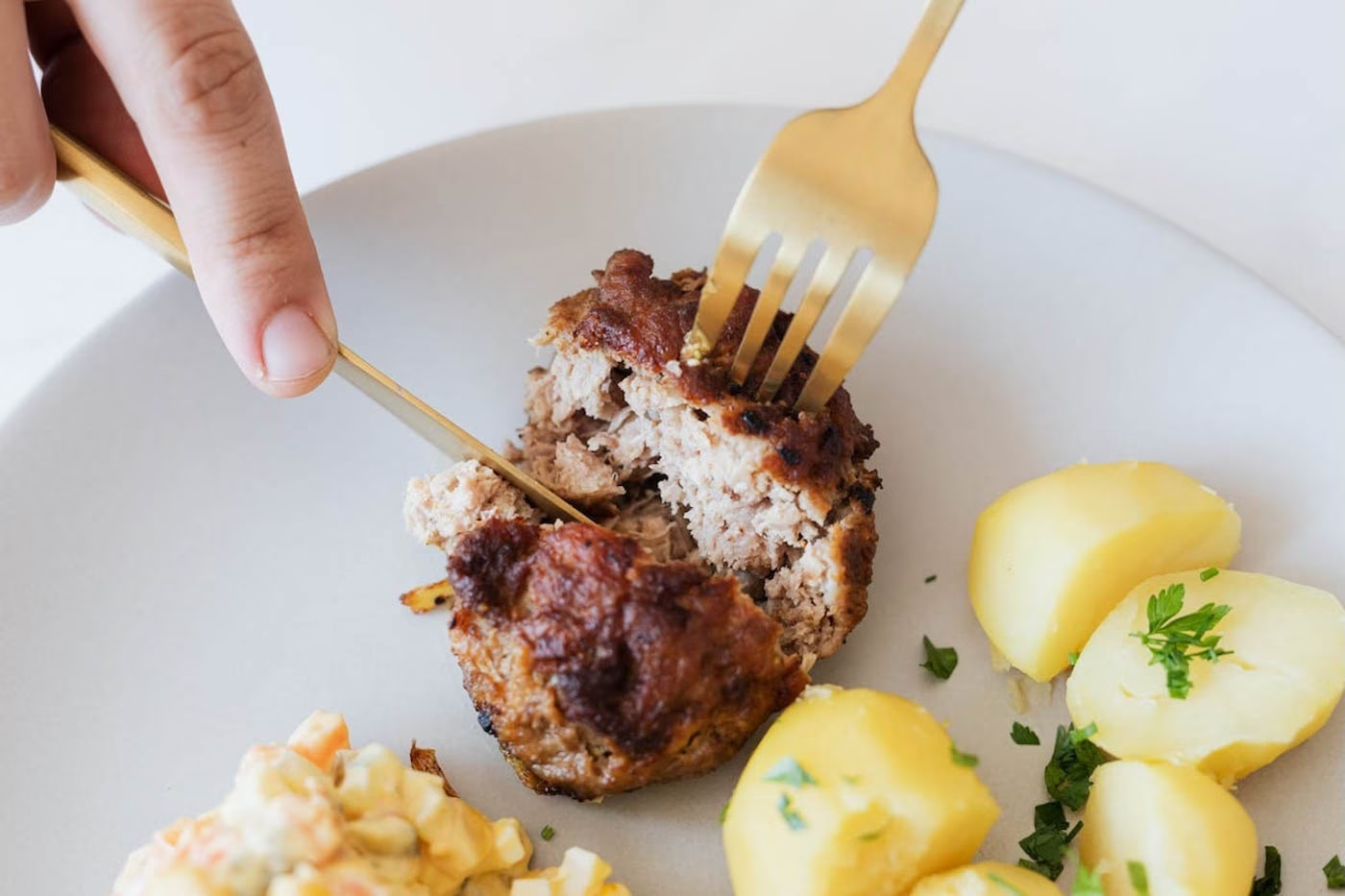
Many travelers assume that frikadeller is just like any other meatball, but it’s very different. The meatballs are flattened with an oval shape and pan-fried, not baked. This gives them a unique flavor and appearance that sets them apart from the meatballs you’re used to eating.
One important thing to keep in mind is how to pronounce ‘frikadeller,’ so you can order some for yourself. It’s simply said as ‘free-kah-dell-ah,’ but if you’re on one of my Copenhagen food tours, you won’t have to worry about ordering yourself, as we can take you to try them.
In this article, I’m going to break down all there is to know about frikadeller, including the history, recipe, how it’s served, and much more.
Why Frikadeller Matter in Danish Food Culture
Frikadeller isn’t like other dishes. It’s not just a recipe, it’s a national comfort food that the Danish can’t seem to get enough of. It appears absolutely everywhere, from home kitchens to Friday lunch tables, and not forgetting traditional restaurants. Whether it’s a weekday dinner, packed lunch, or a festive spread, it’s always time for frikadeller in Copenhagen.
Anyone who eats frikadeller regularly will be familiar with the sound of butter sizzling in the pan. They’ll also know what makes the perfect golden crust and the rich, spiced aroma that rises as it hits the table.
The History of Danish Meatballs
Frikadeller began as an upper-class dish in early 19th-century Denmark, when grinding meat by hand made it a labor-intensive luxury. The arrival of the mechanical meat grinder later that century changed everything. Minced meat became affordable for ordinary households, and frikadeller settled into ‘husmandskost,’ the everyday home cooking of Danish farmsteads.
It wasn’t until Copenhagen’s dining scene modernized and more eateries opened that Danish meatballs made the move beyond farmhouse kitchens. They soon started appearing on restaurant menus across the country.
In recent years, chefs have even reworked the traditional frikadeller recipe, updating it with new ingredients and offering options like gluten-free variations.
The Traditional Frikadeller Recipe
Most traditional recipes follow the same core formula: minced pork and veal, onion, egg, milk, flour, and seasoning. One thing that often gets overlooked is the resting time. Letting the mixture set before shaping is key to getting the right flavor and texture.
The flattened oval shape isn’t just for appearance, either; it allows the inside to cook through properly without the exterior becoming overdone.
The best frikadeller I’ve eaten have always been cooked in butter over medium heat. It takes a bit of patience, but when you get it right, you end up with a beautifully crispy outside that still holds all its juices on the inside.
Classic Sides and How Frikadeller Are Served
The sides you choose can really make or break the whole experience when eating frikadeller. Two of the most popular sides are caramelized potatoes and brun sovs, a rich, savory brown gravy that adds extra flavor to the dish. Pickled red cabbage, known as rødkål, is another favorite that brings some sharp acidity and balance.
Rye bread is also a common pairing, especially in the form of smørrebrød.
Something else to note is that frikadeller taste amazing when they’re cold the next day on an open sandwich. So if you have leftovers, don’t throw them away!
Regional Variations of Danish Frikadeller
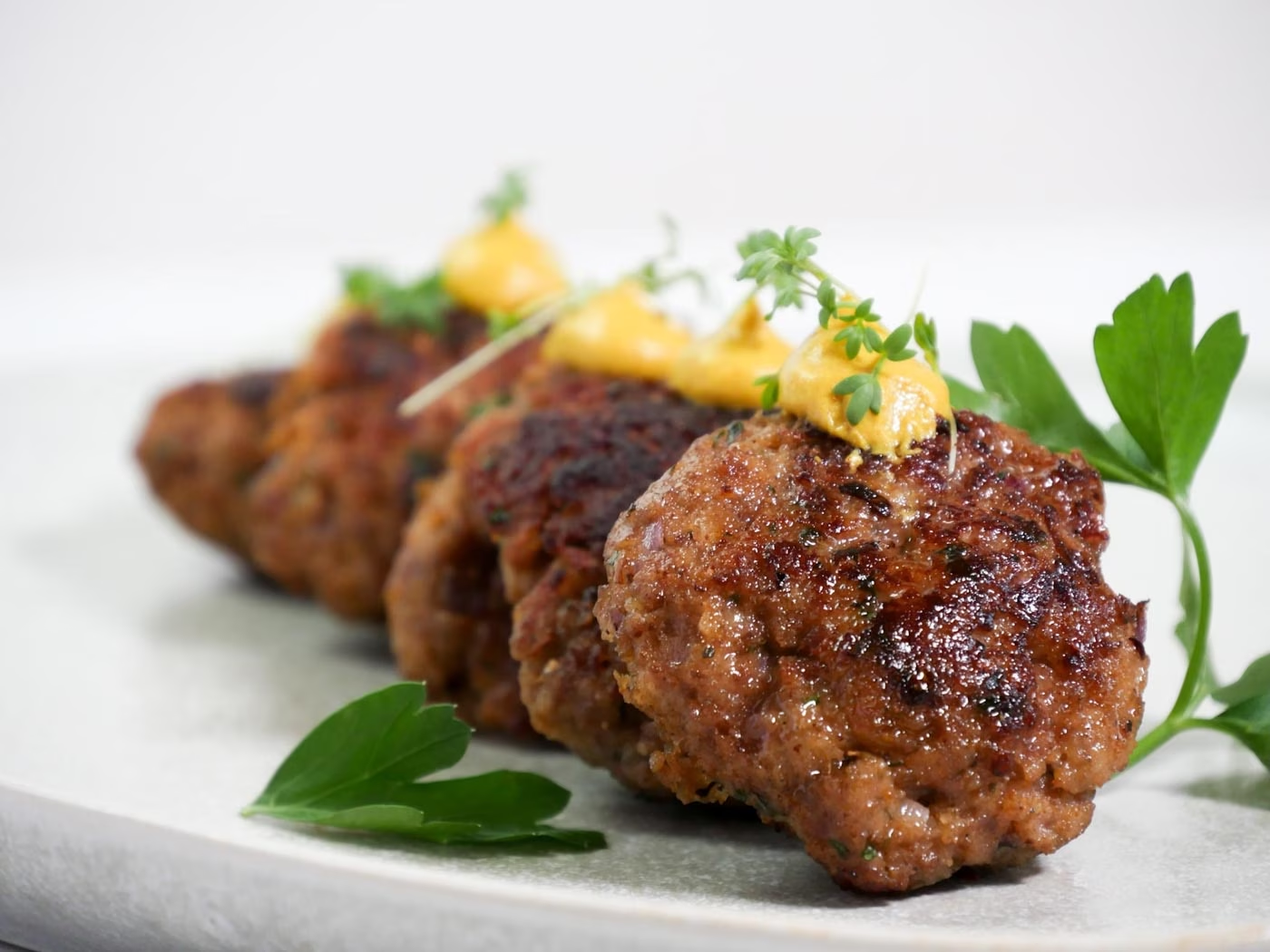
Photo credit: Wikimedia Commons licensed under Attribution-ShareAlike 4.0 International
The way people eat Danish frikadeller varies by region. The most common version you’ll come across uses pork only, though pork and veal together are also widely eaten. Along the coast, you might notice fiskefrikadeller, which is a seafood-based version that’s well worth trying if you have the opportunity.
Beyond the traditional varieties, Copenhagen’s restaurant scene has started embracing newer takes on the classic plate. These are made with ingredients like lamb and chicken, as well as vegetarian options. Certain chefs want to put their own stamp on the dish, and this is how they can do it.
Where to Eat Frikadeller in Copenhagen
Now for the part you’ve been waiting for: where to actually go to try some frikadeller. These are a few places I go back to every time I’m in Copenhagen.
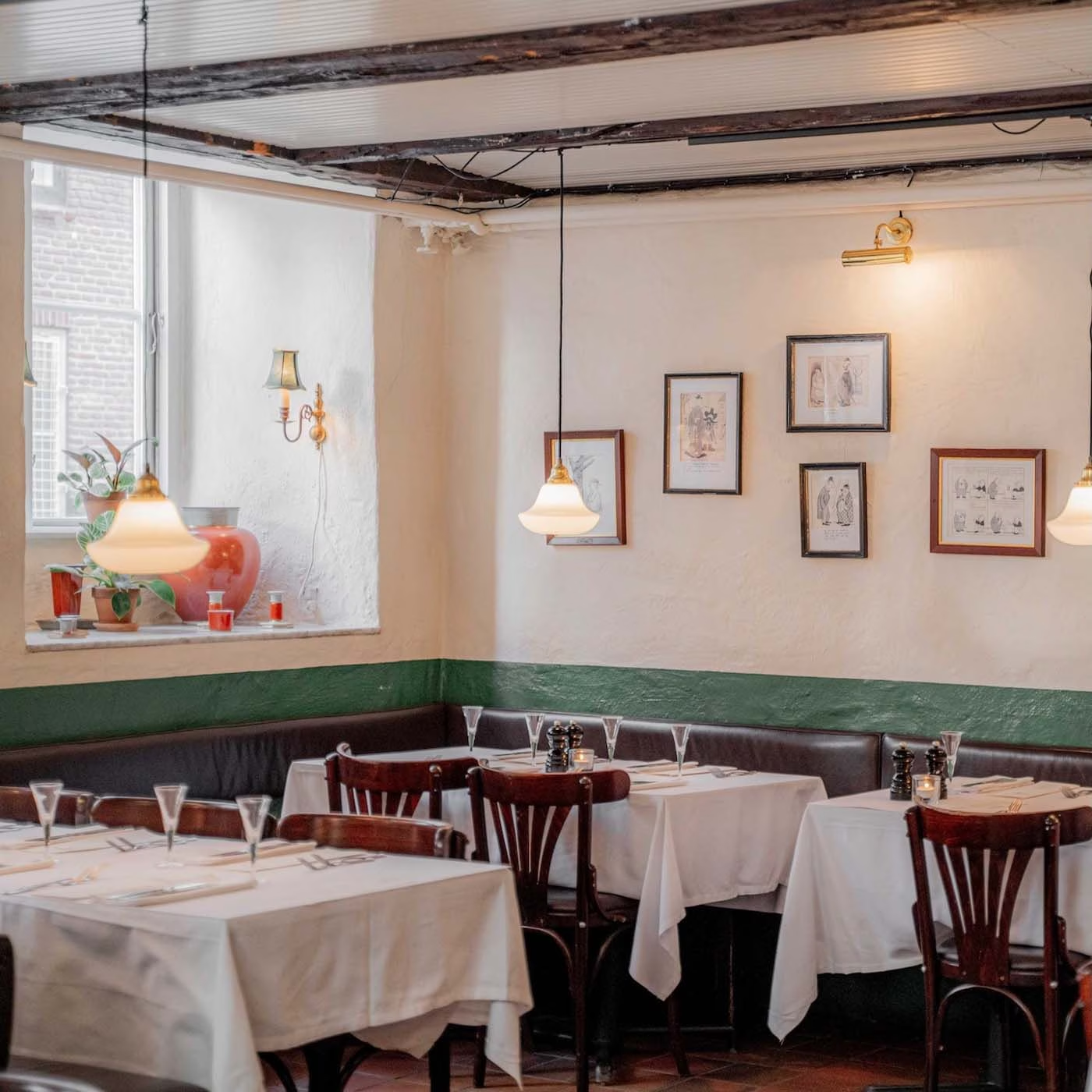
Photo credit: Restaurant Kronborg
Restaurant Kronborg is a traditional Danish lunch restaurant, which the locals call a frokostrestaurant, and their frikadeller are seriously good. Served with pickled red cabbage and fresh cucumber, it’s a plate that I can’t get enough of.
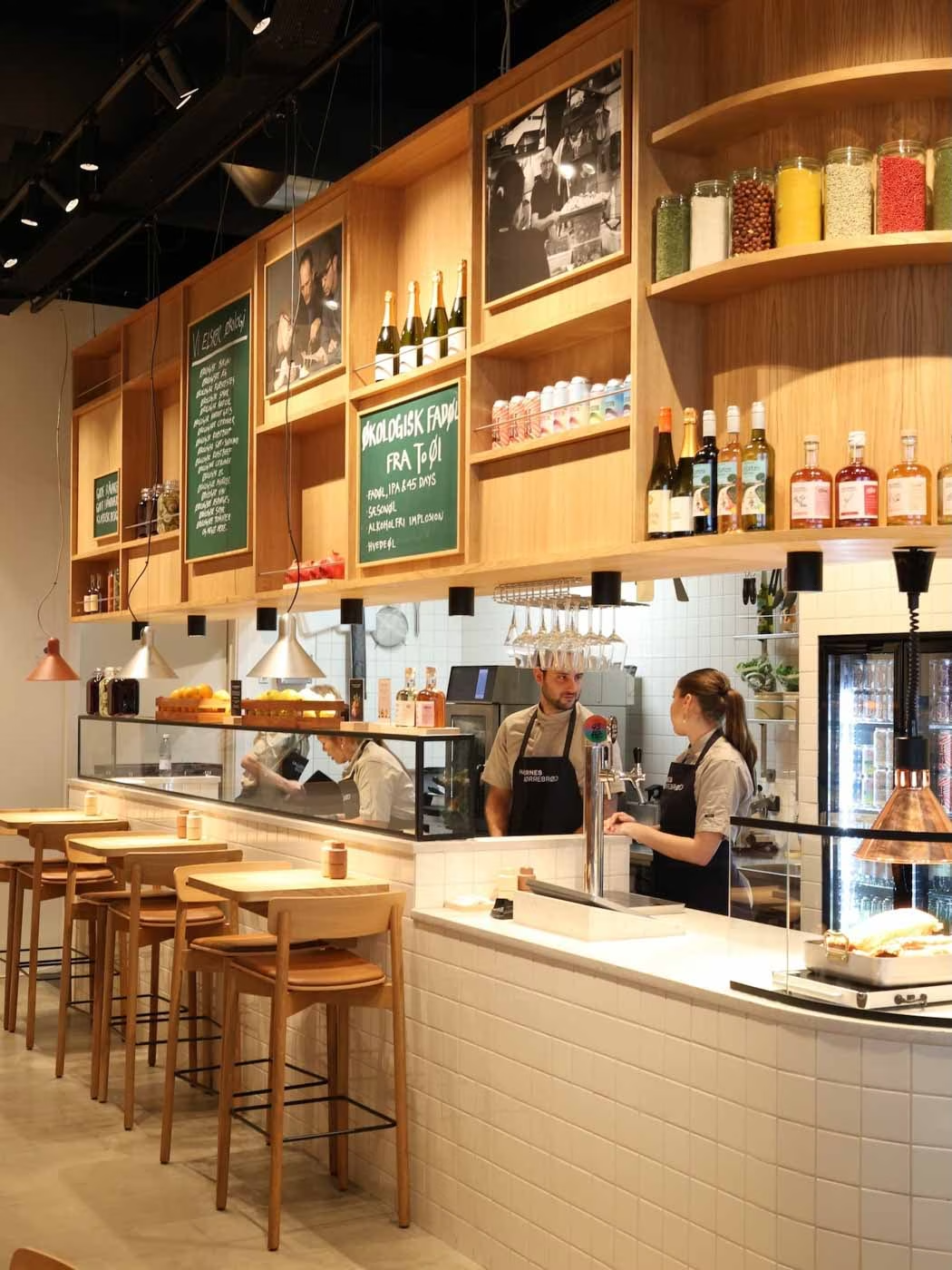
Photo credit: Hallernes Smørrebrød
Hallernes Smørrebrød is a smørrebrød counter where frikadeller feature as a topping on their open sandwiches. The combination of hearty rye bread, tender meatballs, and light potato salad is exactly what you want for a proper Danish lunch.
If you’d like to try a more relaxed neighborhood eatery, Café Lindevang specializes in homestyle frikadeller, and it does it every time for me. When you’re out exploring the city, Torvehallerne KBH market has stalls serving frikadeller as a quick bite, which are a great option when on the move.
Tips for Cooking and Enjoying Frikadeller
If you want to try making frikadeller at home, a few things will make a real difference.
- Always give the mixture enough time to rest before you start shaping. If you skip this step, the meatballs won’t hold together properly, and the texture will be off.
- If you end up with leftovers, you can store them in the fridge. Some people prefer them cold like this, but if you’d rather have them warm, five minutes in the oven will do the trick.
- Frikadeller are a year-round dish. In winter, they’re the ultimate comfort food. Come summer, the meatballs are a popular smørrebrød topping.
- If you’re looking to get a good photo of your batch of frikadeller, get up close to capture the golden crust. Some rustic plating will really make them stand out.
Sources:
Eating Europe. (n.d.). Copenhagen food guide. Retrieved May 3, 2026, from https://www.eatingeurope.com/copenhagen/
Restaurant Kronborg. (n.d.). Restaurant Kronborg. Retrieved May 3, 2026, from http://www.restaurantkronborg.dk/
Hallerne. (n.d.). Hallerne. Retrieved May 3, 2026, from https://hallernes.dk/
Café Lindevang. (n.d.). Café Lindevang. Retrieved May 3, 2026, from https://cafelindevang.dk/
TorvehallerneKBH. (n.d.). Torvehallerne market hall. Retrieved May 3, 2026, from http://torvehallernekbh.dk/


Eating Copenhagen Food Tour: More than Smørrebrød
The most delightful of Danish & fusion foods
- Daily
- 3 Hours
- Small Group