

Smørrebrød is one of Denmark’s most famous foods. Once you try it, you’ll understand why. It’s basically an open-faced sandwich with toppings piled onto a thick slice of dark rye bread called rugbrød. There’s no slice on top either, so you can see exactly what you’re getting.
What is Smørrebrød?
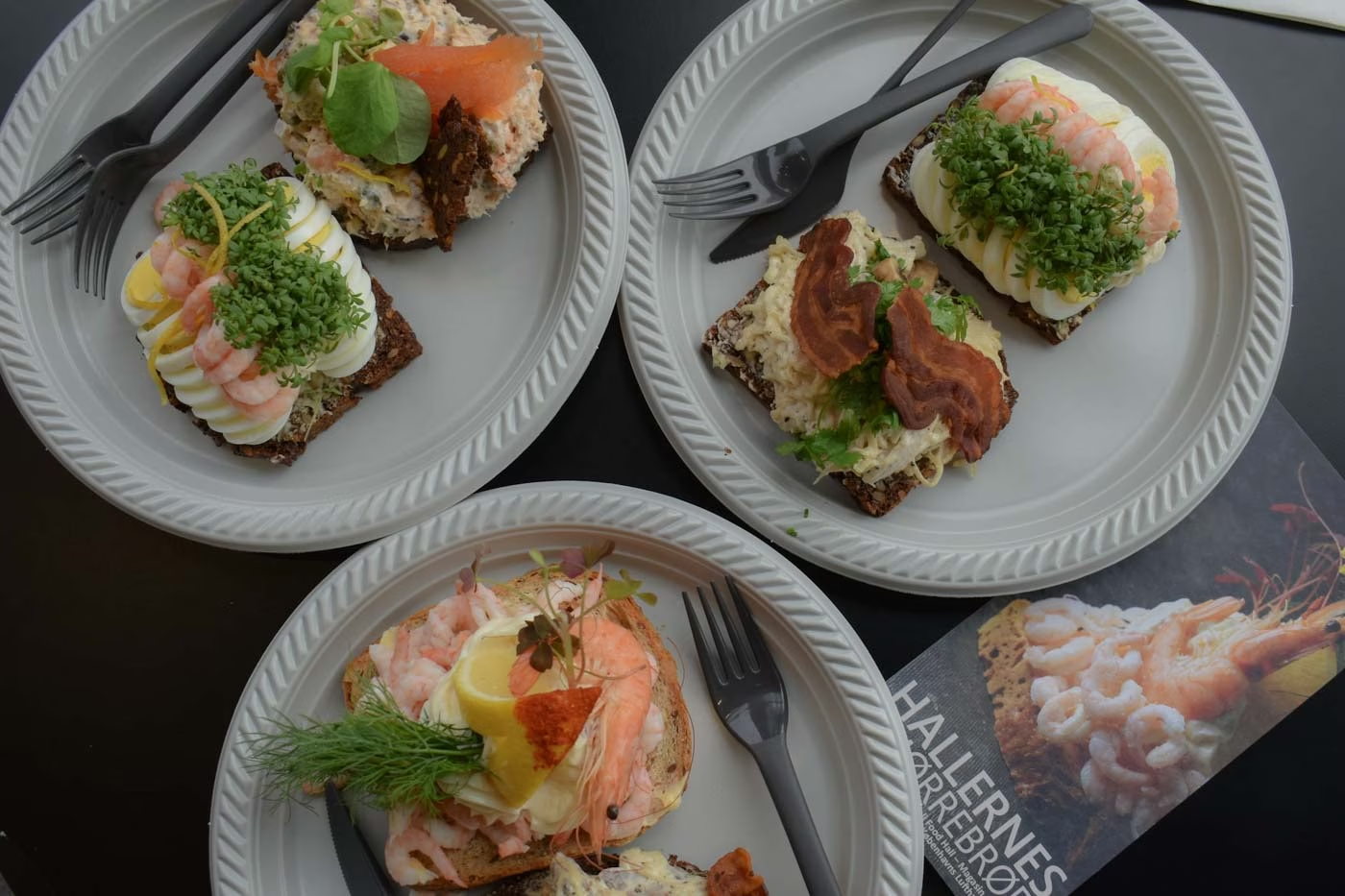
What makes smørrebrød different from a regular sandwich isn’t just that it’s open-faced. There are specific toppings, a certain way to eat it, and a whole culture behind it. It has been part of Danish life for centuries, and you’ll find people from all walks of life eating it, including office workers, families, tourists, everyone.
If you’re wondering how to say smørrebrød, don’t worry. Our guides on our Copenhagen food tours get asked this all the time. Just say ‘smuhr-broth,’ and you’ll be fine.
In this guide, I’m going to cover everything about smørrebrød in Copenhagen. I’ll teach you about the history, the toppings, where to go, how to order, and how much you should expect to pay for a piece.
What Makes Smørrebrød a Copenhagen Essential
When I was in Copenhagen, I ended up eating smørrebrød almost every day. It’s more than just a meal, it’s a cultural institution! Once you have it for the first time, you’ll get why locals love it so much.
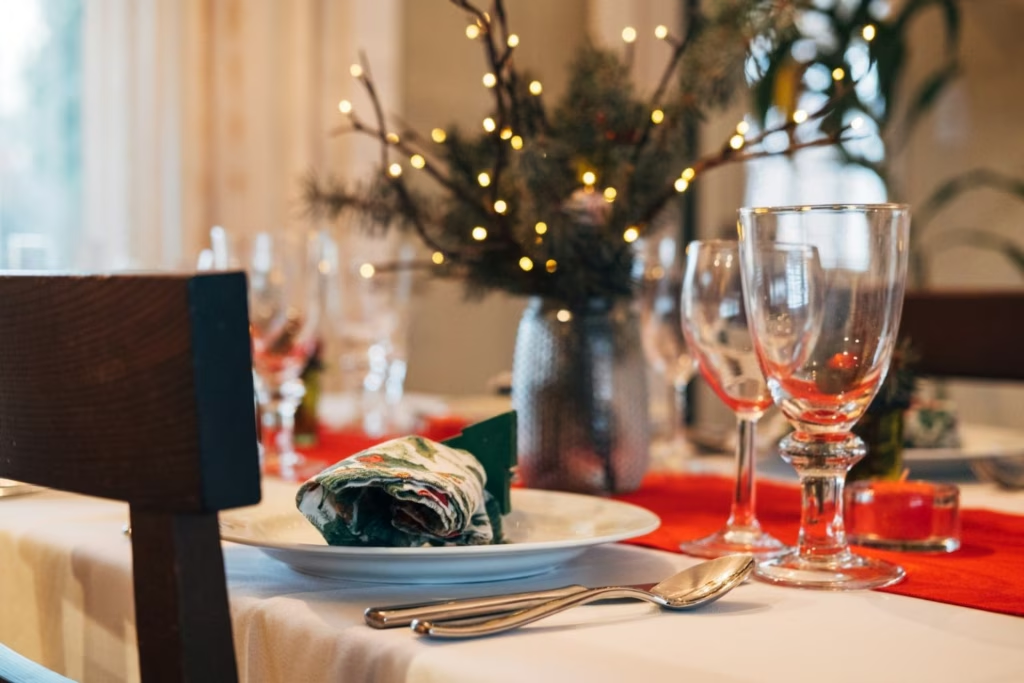
Smørrebrød is very much a lunchtime dish that’s usually eaten at old-school lunch restaurants with marble counters and linen napkins, where you walk in, and the smell of rye bread hits you straight away. When you see the gleam of herring and crispy onions on top, you just know you’re in for something good.
The History of the Danish Open Sandwich
Smørrebrød in Copenhagen can be traced back to medieval times. Back then, rye bread was used as an edible plate for toppings. But over time, it became popular with working-class Danes who ate it as a packed lunch, as well as with wealthier people.
That’s how classics like pickled herring with capers came about. Those combinations got passed down through generations and are still on menus today.
More recently, a wave of New Nordic chefs started playing around with the traditional smørrebrød format, using seasonal and local ingredients. You’ll see some of that in the more modern eateries around the city.
Traditional Smørrebrød Toppings to Know
When you order a Danish open-faced sandwich for the first time, you’ll need to pick your toppings. Here are the ones you’ll see most often:
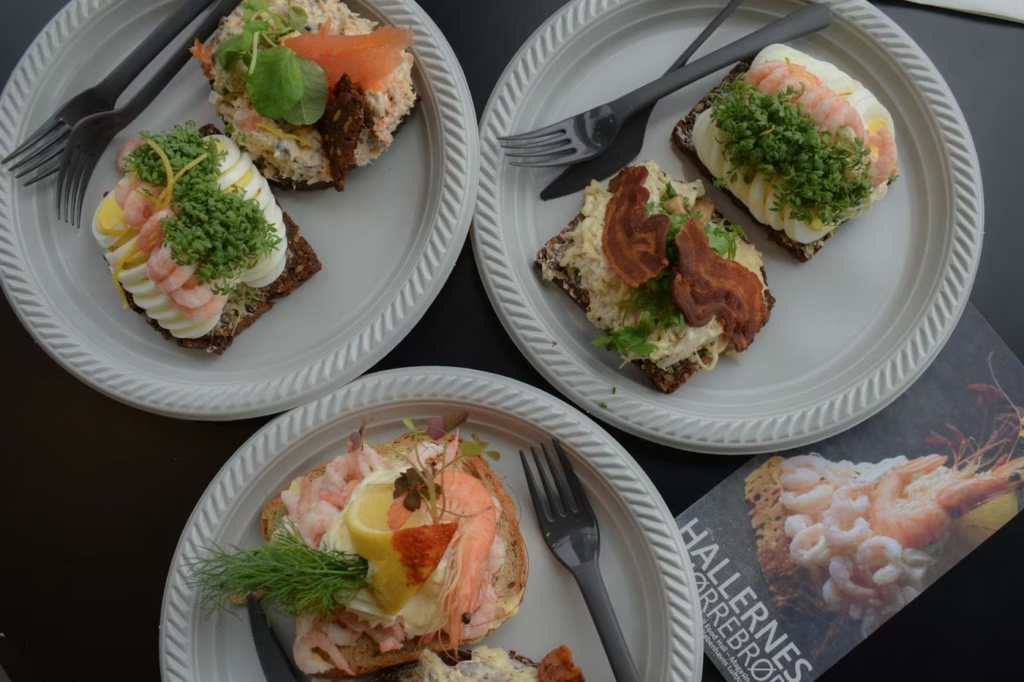
- Pickled herring with onion and capers on rye.
- Roast beef with remoulade and crispy onions.
- Leverpostej (liver pâté) with bacon and mushrooms.
- Egg and shrimp with mayonnaise and dill.
One thing worth noting is that Danes traditionally eat their smørrebrød in a certain order. Fish first, then meat, then cheese. You don’t have to follow this, but it’s good to know.
Where to Eat Smørrebrød in Copenhagen
If you want the full, traditional experience, head to a classic Danish lunch restaurant called a frokostrestaurant. Schønnemann is the one I recommend.
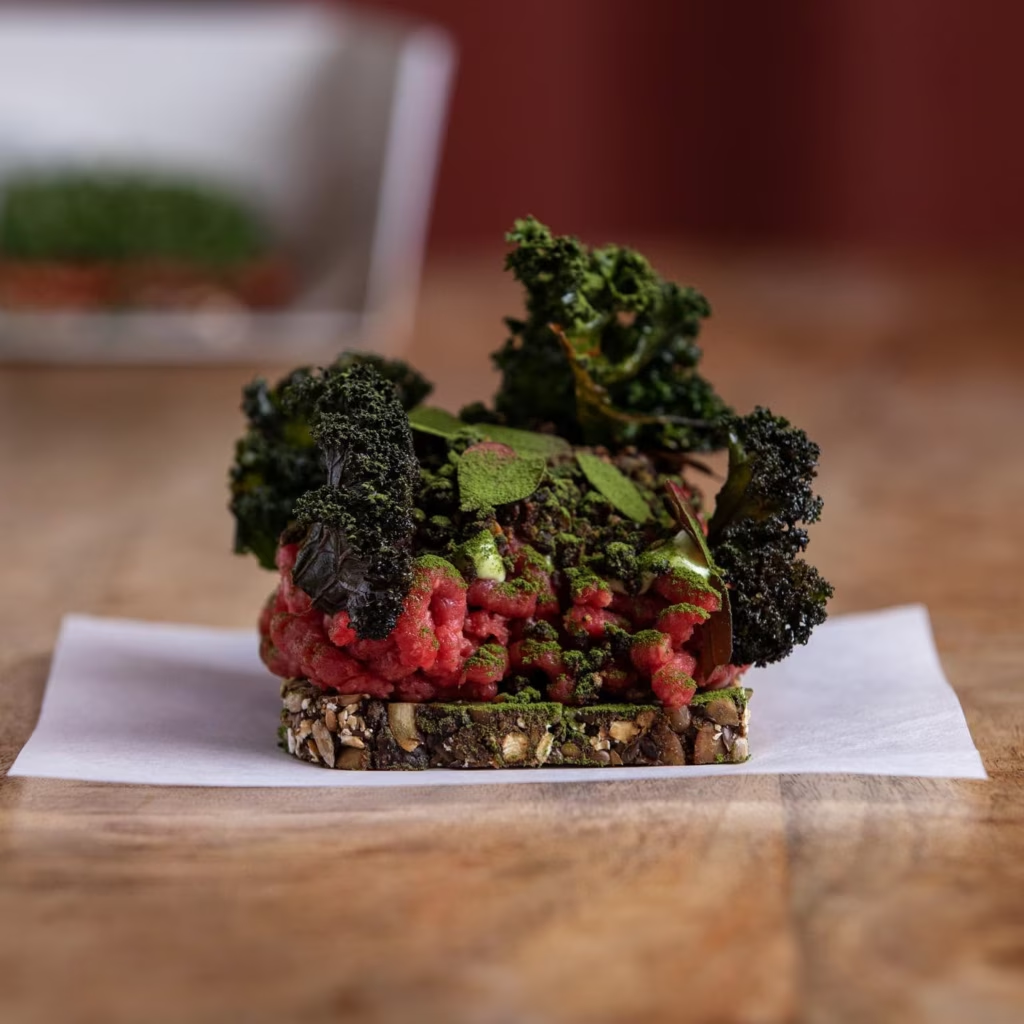
Those who want something a bit more modern, Hallernes Smørrebrød at Torvehallerne market is a great option. They do more creative versions alongside the classics, with additions like butter-fried fish and beef tartare with pickles. Because it’s inside a covered market, you can explore other stalls too while you’re there.
I also really like T.S. Smørrebrød, which is a more casual deli-style spot. Their juicy meatball option is my preferred order.
How to Order Smørrebrød Like a Local
Ordering smørrebrød is easier than it looks, even if you can’t speak Danish. Most menus are split into fish and meat sections, and each option tells you what comes with it. For example, if you see herring, capers are usually a part of the recipe.
Keep in mind as well that smørrebrød is a lunch dish. Most places stop serving it in the early afternoon, so don’t leave it too late to order. For drinks, go with snaps (aquavit) or a cold Danish beer. They work really well, and locals tend to order them.
One other thing to remember is to always use a knife and fork. People never really eat smørrebrød with their hands like other sandwiches. Additionally, take your time, eat slowly, and enjoy it properly.
Smørrebrød and the New Nordic Movement
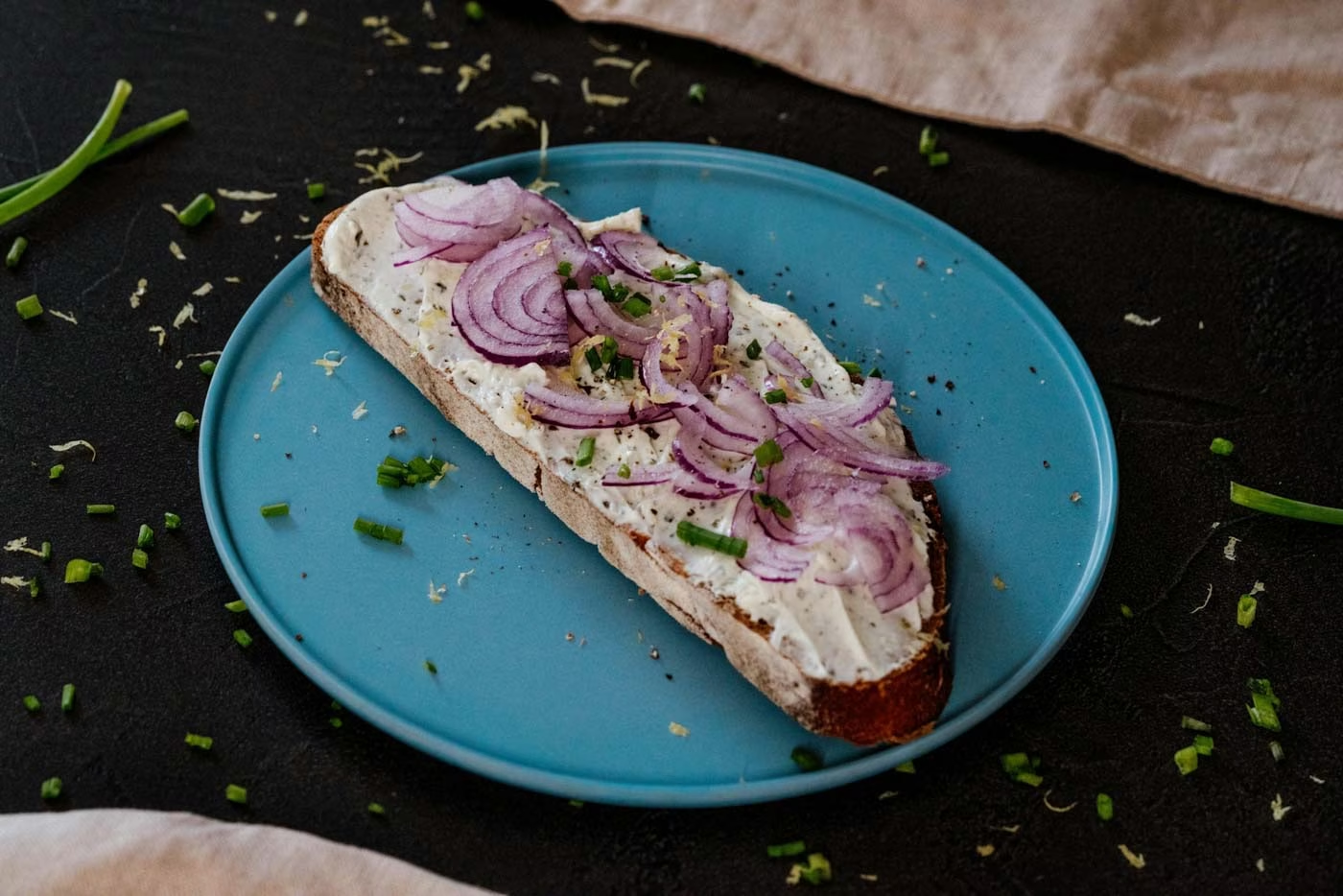
Over the past few decades, certain chefs have started using smørrebrød as a way to experiment. Instead of sticking to the traditional toppings, they’ll use whatever’s in season. Think foraged herbs and local produce you wouldn’t normally expect on an open sandwich.
Hallernes Smørrebrød is a good place to see this in action. You’ll find that some versions on their menu feature Jerusalem artichokes, alongside classics like herring as well.
Budget and Costs
Smørrebrød is pretty affordable overall. At a sit-down lunch restaurant, slices start from around 50 DKK (approx. €7 / $8). At a market stall, you’re looking at around 40 DKK (approx. €5 / $6). Bakeries and takeaway spots are usually the cheapest places to order, so stick to these if you’re watching your budget.
Most people get one slice to start, but if you’re hungry, I’d say go for three. That way, you can try a few different toppings.
Tipping isn’t really expected when you order a Danish open sandwich. If you want to leave something behind because you were happy with the service, giving an extra 10% is perfectly fine, but don’t feel obliged.
Tips for Enjoying Smørrebrød in Copenhagen
- Pre-book tables: Book ahead for busy lunch restaurants when trying smørrebrød in Copenhagen. Popular places can fill up fast, especially on weekdays.
- Opt for seasonal toppings: Each season has its own seasonal toppings, like summer, which brings fresh herbs.
- Snap photos: Lots of eateries have their smørrebrød on show behind glass. It’s a great way to see what looks good, and it makes for a nice photo too.
- Plan your foodie holiday: Make smørrebrød a wider part of a foodie trip in Copenhagen. Start with a bakery in the morning, grab smørrebrød at lunch, and go to a Michelin-starred restaurant for dinner!
Sources:
Eating Europe. (n.d.). Retrieved May 4, 2026, from https://www.eatingeurope.com/copenhagen/
Restaurant Schønnemann. (n.d.). Retrieved May 4, 2026, from http://www.restaurantschonnemann.dk/
Hallernes Smørrebrød. (n.d.). Retrieved May 4, 2026, from https://hallernes.dk/
Tøsst Smørrebrød. (n.d.). Retrieved May 4, 2026, from http://xn--tssmrrebrd-3cbf.dk/


Eating Copenhagen Food Tour: More than Smørrebrød
The most delightful of Danish & fusion foods
- Daily
- 3 Hours
- Small Group