

If you’re visiting Porto, there’s a good chance the historic center will be among your first stops. The area earned UNESCO World Heritage status for its cultural importance, and it’s easy to see why. Quaint buildings, Medieval architecture, narrow streets, and the city’s traditional layout all give you a glimpse into the city’s past.
Neighborhood Overview and History
The Historic Center isn’t just all about the atmosphere. The area’s development throughout the generations is a major part of its appeal, too. Because Porto sits along the Douro River, it has easy access to maritime trade, which has played a major role in the city’s growth over the centuries.
As you can imagine, we couldn’t run our Porto food tours without taking you through the Historic Center. It’s one of those places that pretty much everyone wants to see when they come. For that reason, some of our routes include stops here so guests can try our favorite Porto food spots along the way.
This Historic Center neighborhood guide highlights the places worth exploring and shows you how to get the most out of your visit.
Local Culture and Architectural Heritage
Porto’s historic center has a distinctive architectural style, thanks to glazed azulejo tiles, granite façades, and wrought-iron balconies that make the area stand out. You’ll spot these features all throughout the neighborhood, and they’re very photogenic, so have your camera ready.
Many artisan workshops and family-run businesses have established a presence here as well. Whether it’s pottery or painting, there are plenty of opportunities to try something different besides sightseeing.
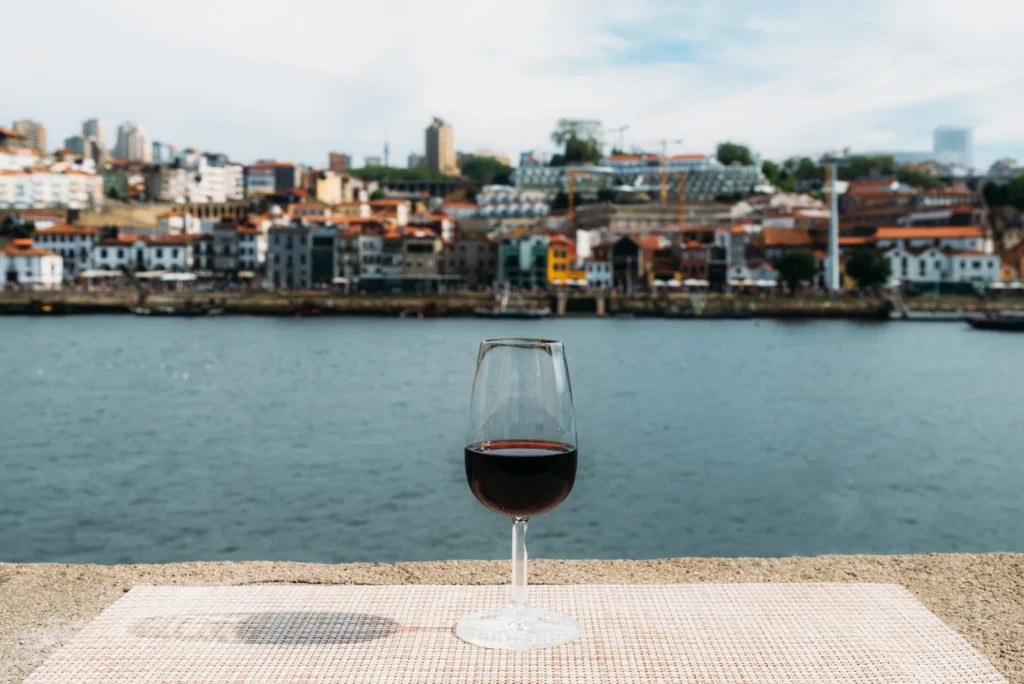
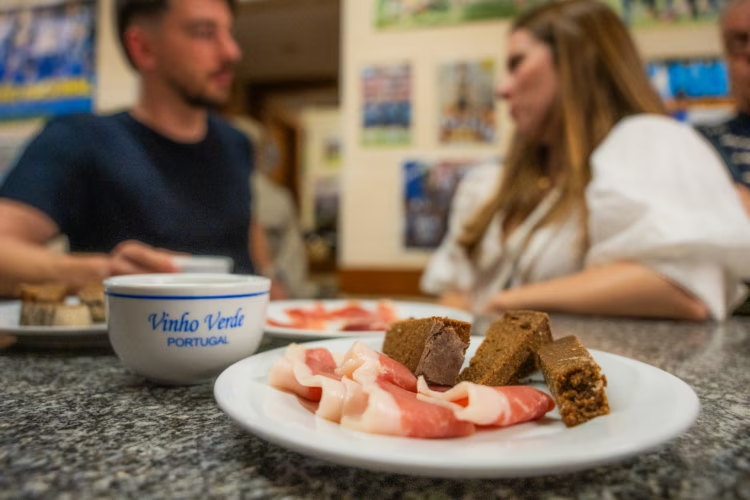
Port wine is a big part of exploring Porto’s historic center, and it remains something many Portuenses are deeply proud of. Although much of the production is centered around the Douro Valley, it’s easy to find some seriously good port wine here, especially if you do a tasting experience at OPORTUNO.
Be sure to plan your trip around a religious celebration if possible. One that everyone comes for is São João, a former pagan festival held on June 23rd and 24th. Visit then, and you’ll see a whole other side of Porto with crazy street parties and fireworks over the Luís I Bridge.
Things to Do in Porto Historic Center
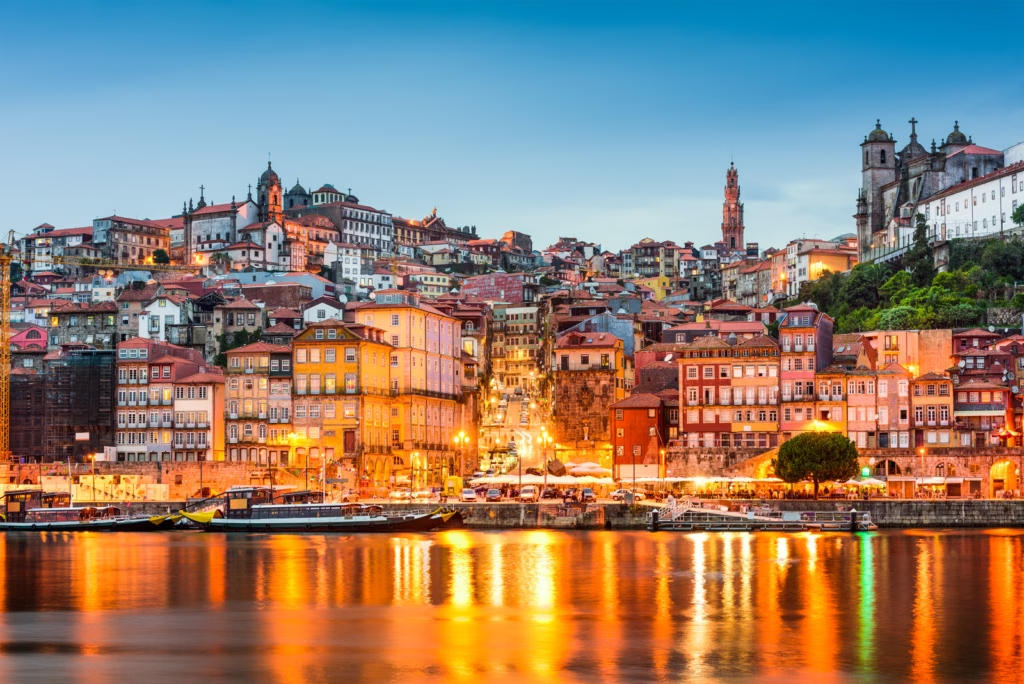
Porto’s historic center has plenty to do, but with a couple of days, try to spread things out so you don’t feel rushed. Dedicate one afternoon to a river cruise to admire the center’s charming buildings from the water; it’s a totally different experience from wandering through the streets.
On the ground, use the ‘eléctrico’ to get around; these trams, decorated with wooden furnishings, will have you feeling like you’re back in the good old days. For great views, take a funicular ride on Funicular dos Guindais and see the Historic Center from above.
Porto’s Historic Center and its famed streets like Rua das Flores are easy to explore on your own, but to see the area through a local’s eyes, you’re better off taking a walking tour. This way, you’ll be able to go beyond the main sights, explore areas like Sé, and find epic viewpoints such as Miradouro da Rua das Aldas without doing much of the work.
You can also:
- Stroll through lanes like Rua dos Mercadores and squares such as Praça da Liberdade to see a different side of Porto.
- Make time for historic bookshops like Livraria Lello, as well as creative spaces and neighborhood galleries such as the PortoCartoon Museum.
- Pause, take a break, and watch the world go by at quiet outdoor café terraces like Chez Papa.
Food, Dining, and Restaurants in Porto Historic Center
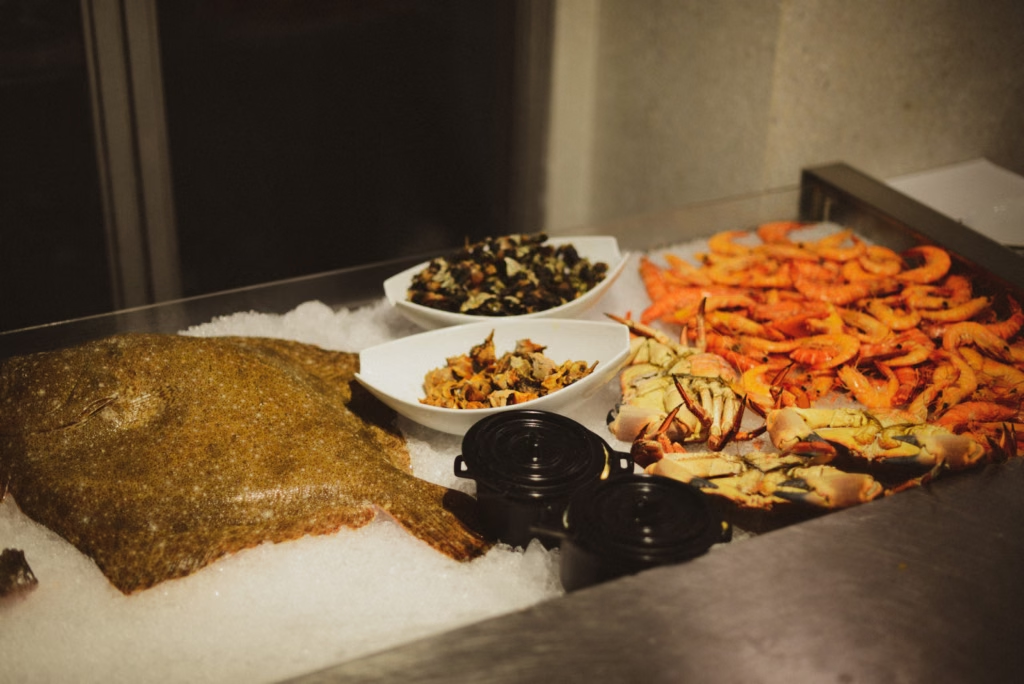
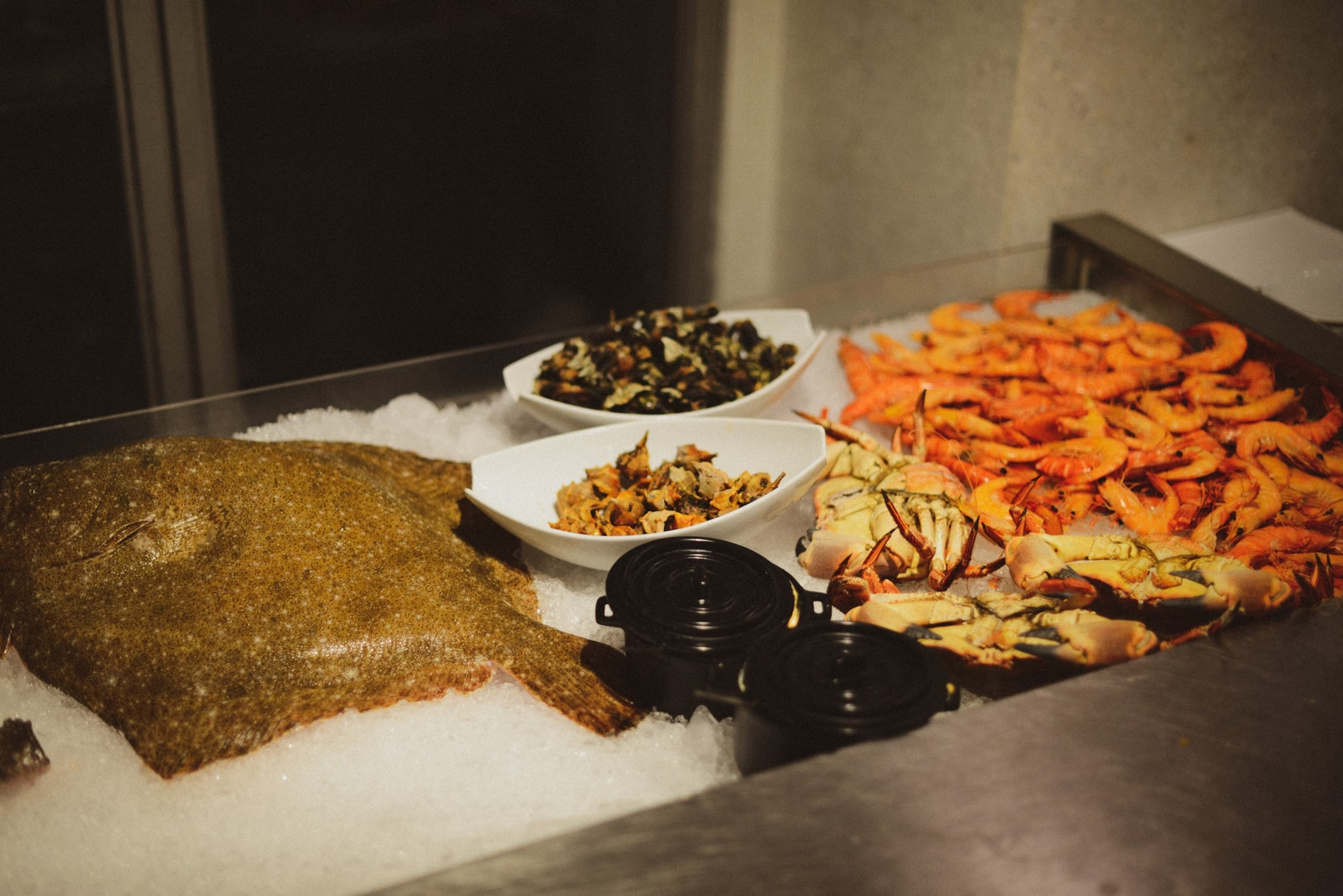
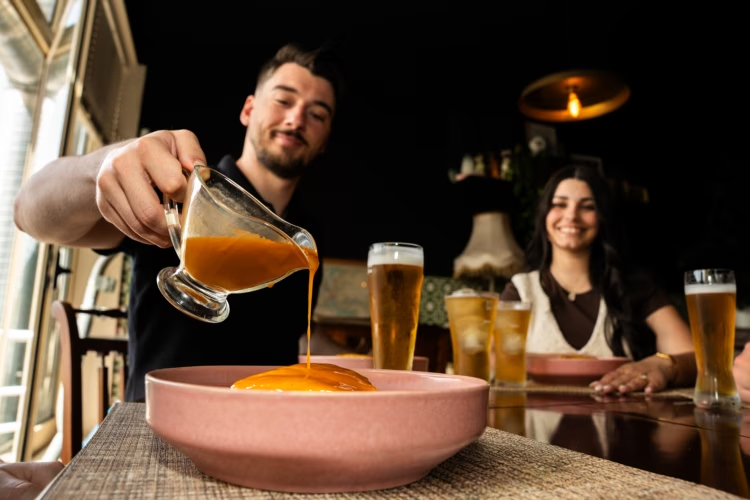
Some cities’ busiest areas often don’t live up to the hype when it comes to food, but Porto’s Historic Center is different. Come here, and you’ll have the chance to sample some truly authentic Portuguese recipes such as tangy francesinha, hearty tripas à moda do Porto, and briny bacalhau.
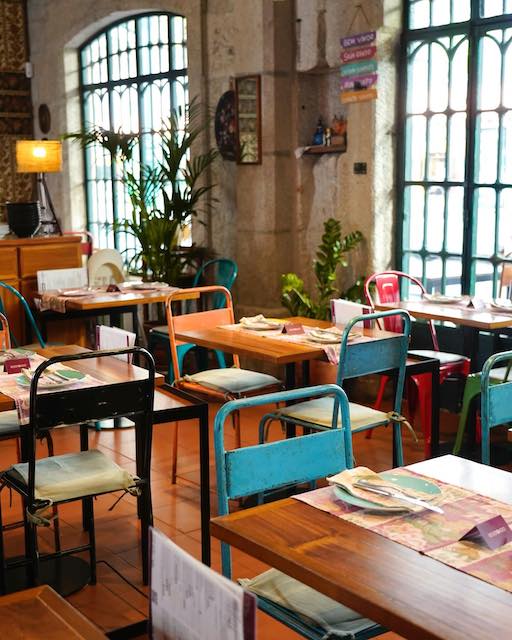
Tá-Berna Wine & Tapas Bar’s sharing dishes hit the spot every time, while the warm atmosphere and personable staff of family-run joints like Taberna dos Fernandes always make you want to return for more.
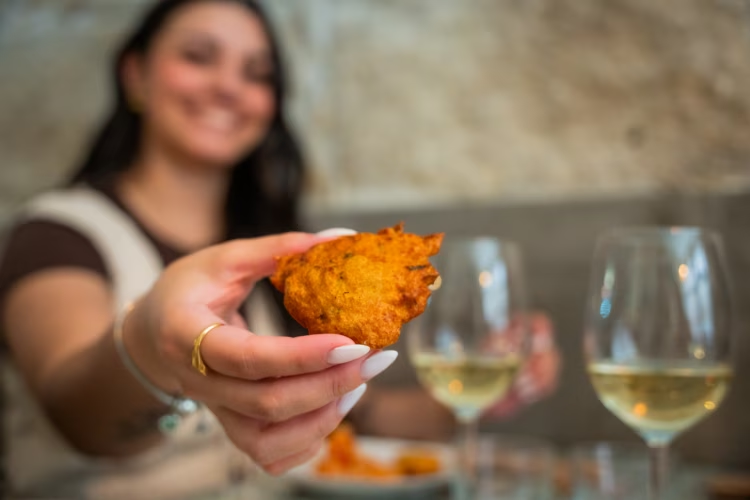
If you’d like to experience petiscos culture and try some small plates paired with Douro wines, Restauracemi VOLTARIA — Petisqueira Portuguesa is a popular stop, with a cozy dining room and diverse menu.
Whenever you’re in the mood for some market shopping, stop by the charming neoclassical Mercado do Bolhão to pick up some bargains. You might as well pop into Comer e Chorar por Mais afterward to grab some fresh cheese and cured meats.
Porto’s Most Iconic Sites and Landmarks
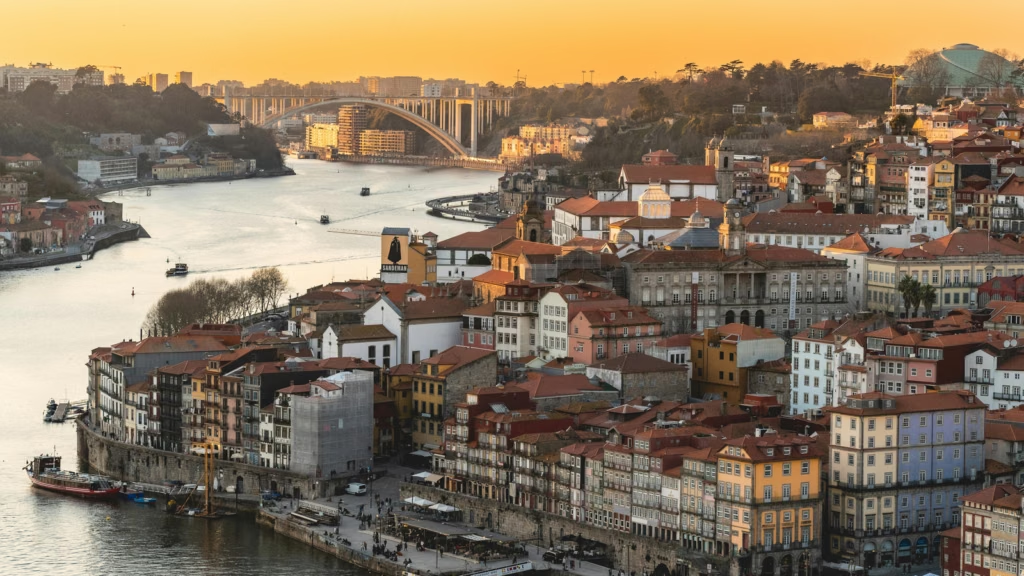
You’ve figured out the food part; now it’s time to visit Porto’s Historic Center’s attractions and fit some sightseeing into your plans.
Start at the Porto Cathedral (Sé do Porto), easily the city’s most recognized religious site, dating back to the 12th century. While the interior is truly exceptional, be sure to climb to the top for views of the surrounding area.
São Bento Railway Station is another place you’ll want to add to your itinerary. It ranks among the best places to get up close and see some of those azulejo panels I mentioned earlier. However, the ones here are particularly notable because they depict scenes from Portugal’s history, as well as aspects of Portuguese life.
Later on, head to Palácio da Bolsa, a revered 19th-century palace known for its ornate neoclassical design, and roam around the Arab Room for a closer look at its Moorish-style royal decorations.
Porto has a never-ending list of bridges to cross, but the main one is the Dom Luís I Bridge. It connects the Historic Center with Vila Nova de Gaia, an area famous for port wine production, which is worth visiting to try a glass or two yourself.
How to Get There and Around
To reach Porto’s old town, use the main metro stations in the area. The two popular ones are Aliados and São Bento. Ride the subway to these stations, then explore on foot, or, if you’re staying in Vila Nova de Gaia, take the ferry across the river.
Some people like to walk around the historic center, while others may prefer to hire a bike and pedal their way around. Just be aware that the hills can be quite steep and there are a lot of cobblestones. All the more reason for comfy footwear.
Keep an eye out for the granite steps around Sé and Ribeira as well. They may look easy to climb at first, but once you start climbing, you’ll feel it in your legs.
Hidden Corners and Insider Tips
Porto’s Historic Center gets plenty of visitors, but you don’t have to stick to the usual tourist spots. Dig a little deeper, and you’ll find plenty of hidden corners. Here are a few spots I recommend you check out.
- Miradouro da Vitória: Tucked behind the old Jewish quarter, this small viewpoint looks out over a jumble of terracotta rooftops toward the Sé Cathedral and the river. It’s far quieter than the busier lookouts, especially in the morning.
- Jardim das Virtudes: A terraced garden spilling down the hillside toward Miragaia, popular with locals who gather on the grass at sunset. It’s one of the most relaxed spots in the city to watch the light fade over the Douro.
- Miragaia: Just west of Ribeira, this riverside neighborhood has the same colorful façades and narrow lanes with a fraction of the crowds. Wander its streets for a slower, more local feel of old Porto.
- The Sé backstreets: The tangle of alleys and staircases below the cathedral, around the Barredo area, is one of the oldest parts of the city. Laundry hangs between buildings and neighbors chat from doorways, so it feels a world away from the crowds just a few steps below.
- Escadas dos Guindais: This steep stairway climbs alongside the Funicular dos Guindais and the remains of the 14th-century Fernandine Wall. It’s a workout, but the views of the Dom Luís I Bridge get better with every step.
- Casa do Infante: Often overlooked by visitors heading straight to the riverfront, this museum is traditionally said to be the birthplace of Henry the Navigator. Inside, you’ll find Roman mosaics and exhibits on the city’s history.
Sources:
Eating Europe. (n.d.). Porto. https://www.eatingeurope.com/porto/
Eating Europe. (n.d.). Porto food. https://www.eatingeurope.com/blog/porto-food/
OPORTUNO. (n.d.). Book a tasting. https://www.o-portuno.pt/book-online
Tá Berna 24. (n.d.). Tá Berna 24 [Instagram profile]. Instagram. https://www.instagram.com/ta.berna.24/
Taberna dos Fernandes. (n.d.). Taberna dos Fernandes [Instagram profile]. Instagram. https://www.instagram.com/tabernadosfernandes_porto/
Petisqueira Voltaria. (n.d.). Petisqueira Voltaria [Facebook page]. Facebook. https://www.facebook.com/petisqueiravoltaria/
Livraria Lello. (n.d.). Livraria Lello. https://www.livrarialello.pt/
PortoCartoon. (n.d.). Museu PortoCartoon. https://portocartoon.com/
Chez Papa. (n.d.). Chez Papa [Facebook page]. Facebook. https://www.facebook.com/share/14Gis8ES1jS/?mibextid=wwXIfr

Porto: Exclusive Food & Port Wine Tasting Tour
A culinary walking tour of Porto’s authentic Vila Nova de Gaia neighborhood, with a visit to the world's oldest port wine cellar, port wine tastings and traditional delicious food.
- Mon-Sat
- 3.5 Hours
- Small Group

Already traveling in a large group or want something different? All our tours can be taken privately or we can create a tour just for you!
- Private tour

Twilight Porto: Food & Local Wine Tour
A traditional Portuguese dinner that takes you all over the city!
- Daily
- 3.5 Hours
- Small Group