



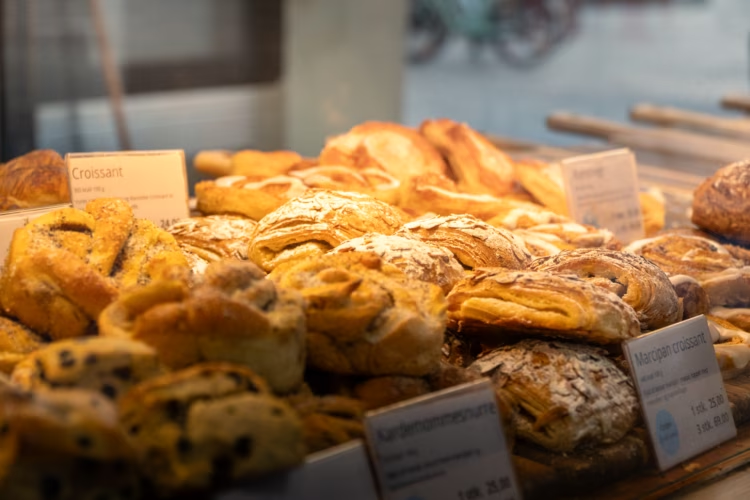
Many foodies have a sweet tooth, and Denmark caters to that very well. This Scandinavian country’s list of iconic desserts is never-ending. The delicious creations that hail from here are usually made with seasonal ingredients and quality produce, making them distinct from those of other nations.
The Sweet Side of Danish Food Culture
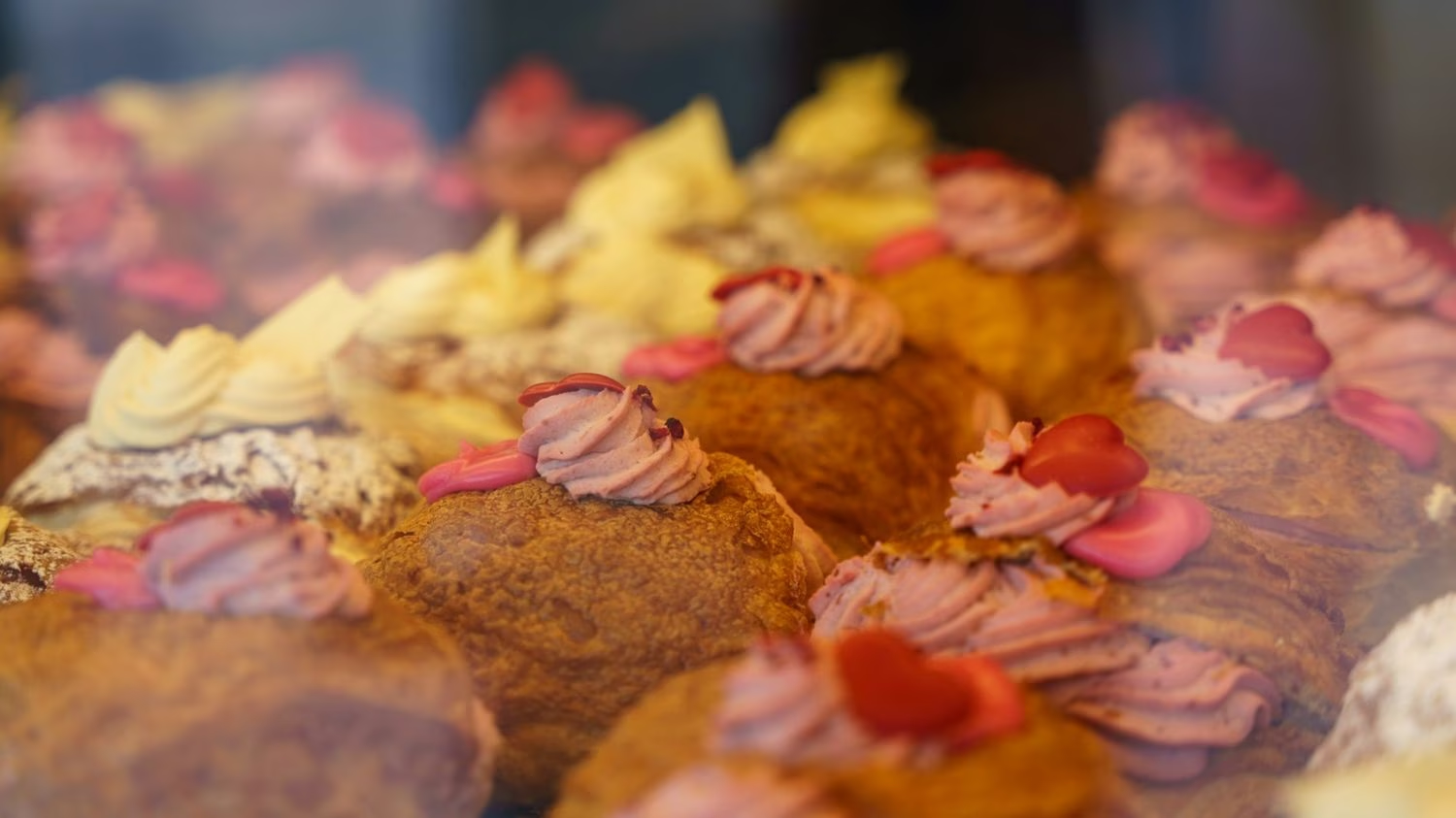
A key aspect of Copenhagen’s sweet scene is that hygge plays an enormous role. Taking a break to come together for a cup of coffee and a slice of cake is a deeply embedded social ritual, and you’ll feel it the moment you step inside almost any cafe or bakery.
Before I first visited Copenhagen, people had told me that the bakeries here are a sensory experience in their own right, and they weren’t wrong. The warmth of a freshly fried æbleskiver, the sharp sweetness of rødgrød, and the butter-rich layers of a wienerbrød each play their part in bringing them to life.
What many don’t realize is that Danish desserts differ from the sugar-heavy traditions found in other European countries. Recipes here tend to be less sweet, leaning instead towards fresh dairy and natural flavors, something we explore in depth on our Copenhagen food tours.
In this article, I’ll give you a full rundown of Copenhagen’s desserts to pique your interest and show you some sweet treats to add to your list when you visit.
What Are the Most Iconic Danish Desserts?
Once you get to Copenhagen, you’ll realize that Denmark has quite a lot of desserts, but not all of them have earned iconic status. A select few, however, are unbelievably scrumptious.
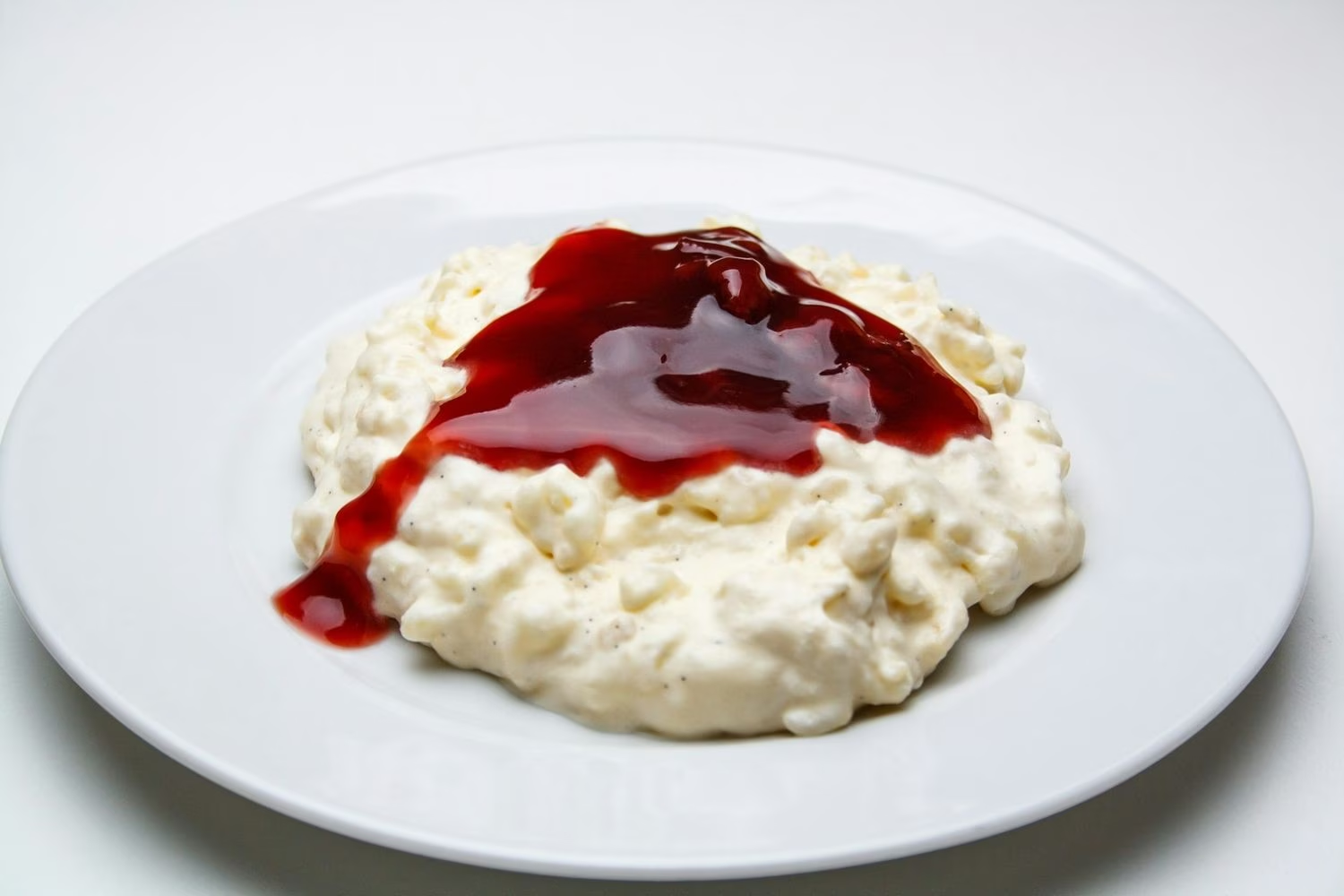
Among the most celebrated options is rødgrød med fløde, a berry compote dish that doubles as a Danish tongue-twister and a cornerstone of the nation’s food culture. Æbleskiver are popular, round pancake-like dumplings served with jam and powdered sugar.
Risalamande, a cold rice pudding with cherry sauce, is a beloved Christmas treat, while cold buttermilk desserts like koldskål are enjoyed during the summertime throughout Denmark.
Æbleskiver: Denmark’s Most Loved Sweet Snack
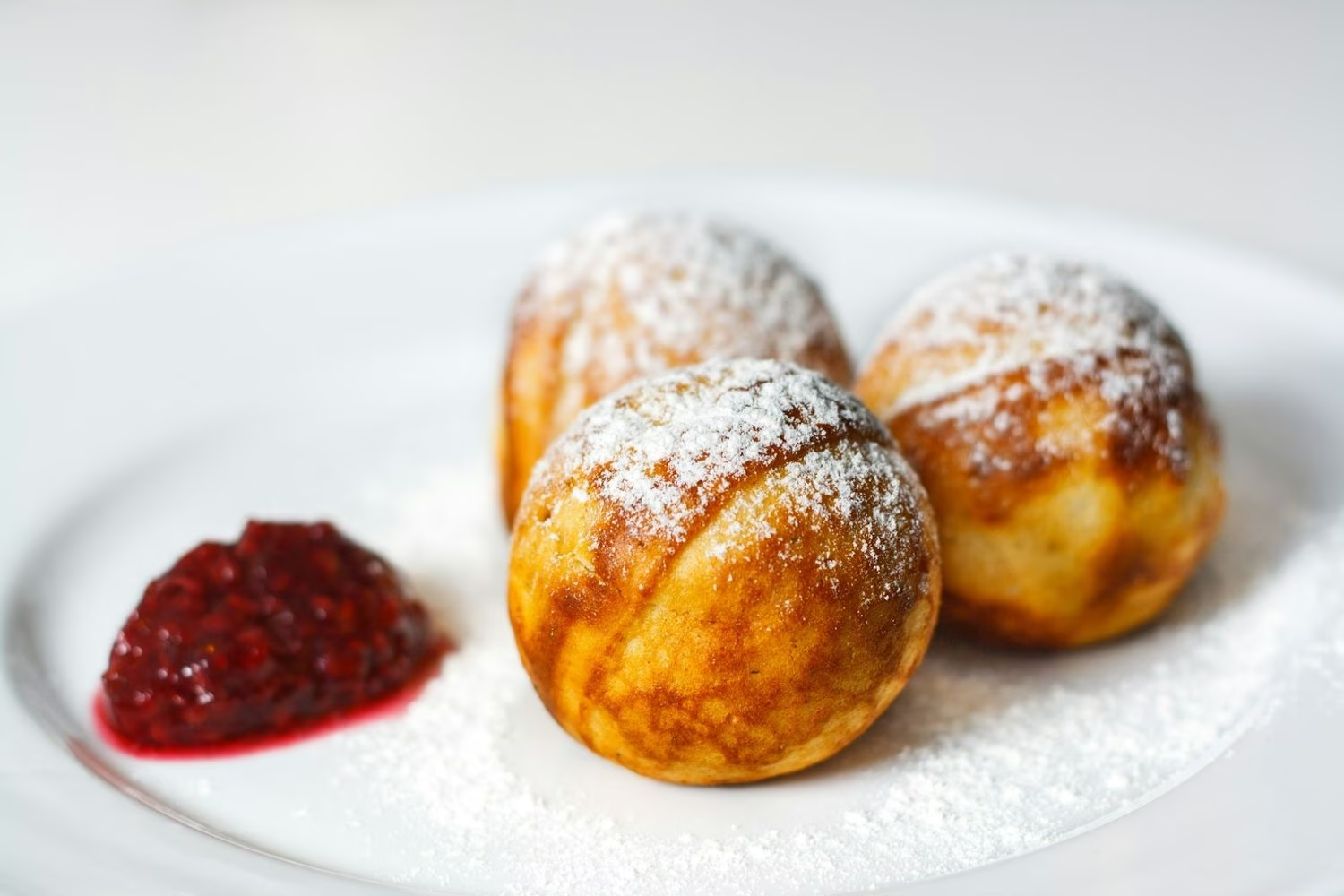
If one Danish sweet treat deserves to be singled out above the rest, it’s æbleskiver.
These round, puffy dough balls are cooked in a special cast-iron pan and carry strong festive traditions, having long been associated with the Christmas holidays. That said, you might be able to find them year-round in some places, like Copenhagen’s markets, and many people in their households will make them in their own time as well.
You can easily spot æbleskiver by their powdered sugar and the strawberry jam on the side that always accompanies them. The one rule when eating æbleskiver is to have them hot, as that is when they are at their absolute best.
During the colder months, you’ll see æbleskiver everywhere, including at the city’s Christmas markets and cafes. If you’re unsure what to look out for, just ask someone working at one of the stands, and they’ll be able to point you in the right direction.
Danish Christmas Food and Festive Desserts
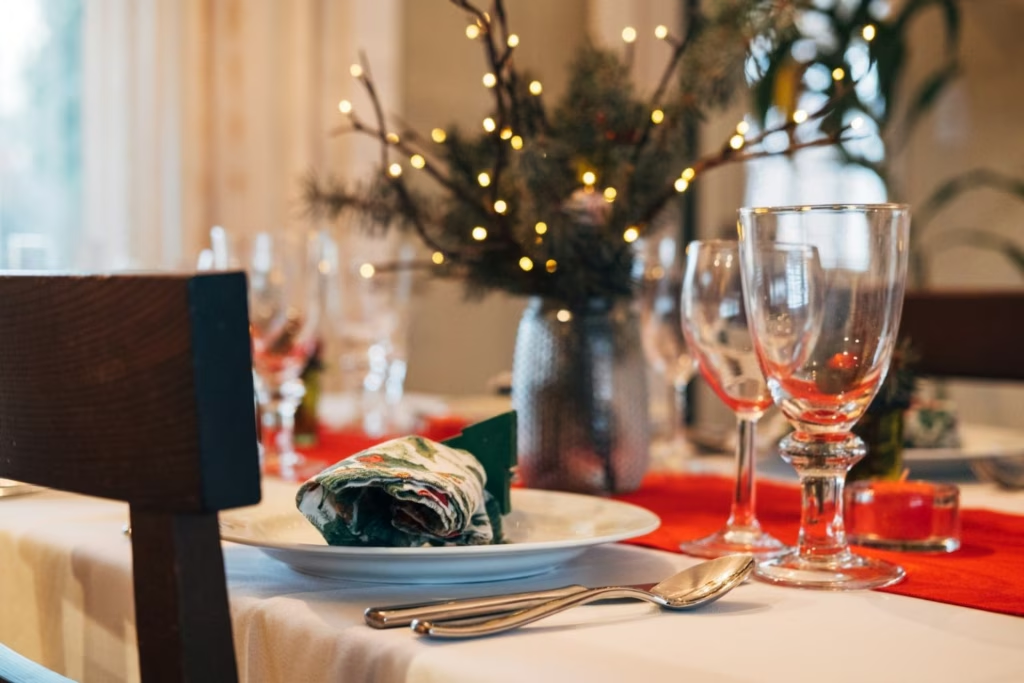
There’s a strong link between desserts and Christmas in Denmark. Some of the country’s finest sweet treats are reserved specifically for the festive season, so it’s a great time to visit.
Risalamande is perhaps one of the most notable Danish Christmas desserts. This chilled rice pudding is served with cherry sauce and contains a single hidden almond. Much of the excitement around this dish comes from the tradition surrounding it. It’s said that whoever finds the almond wins a small prize, which is often a marzipan pig.
We’ve already touched on round pastries like Æbleskiver, which get their distinctive shape from the special cast-iron pan they’re cooked in. Many families like to save these for Advent gatherings. There’s nothing better than walking into a home where someone is making them and being greeted by the irresistible smell of frying dough.
If you like biscuits, be sure to try pebernødder and brunkager. They’re spiced Christmas cookies that are present in Danish homes throughout December and make a perfect addition to the festive spread.
What sets Danish Christmas desserts apart from everyday sweet treats is their rich, heavily spiced, and distinctly seasonal character. This is very different from the desserts eaten year-round, which feature less intense ingredients and tend to be on the lighter side.
Danish Pastry as Dessert: Where Baking and Sweet Culture Overlap
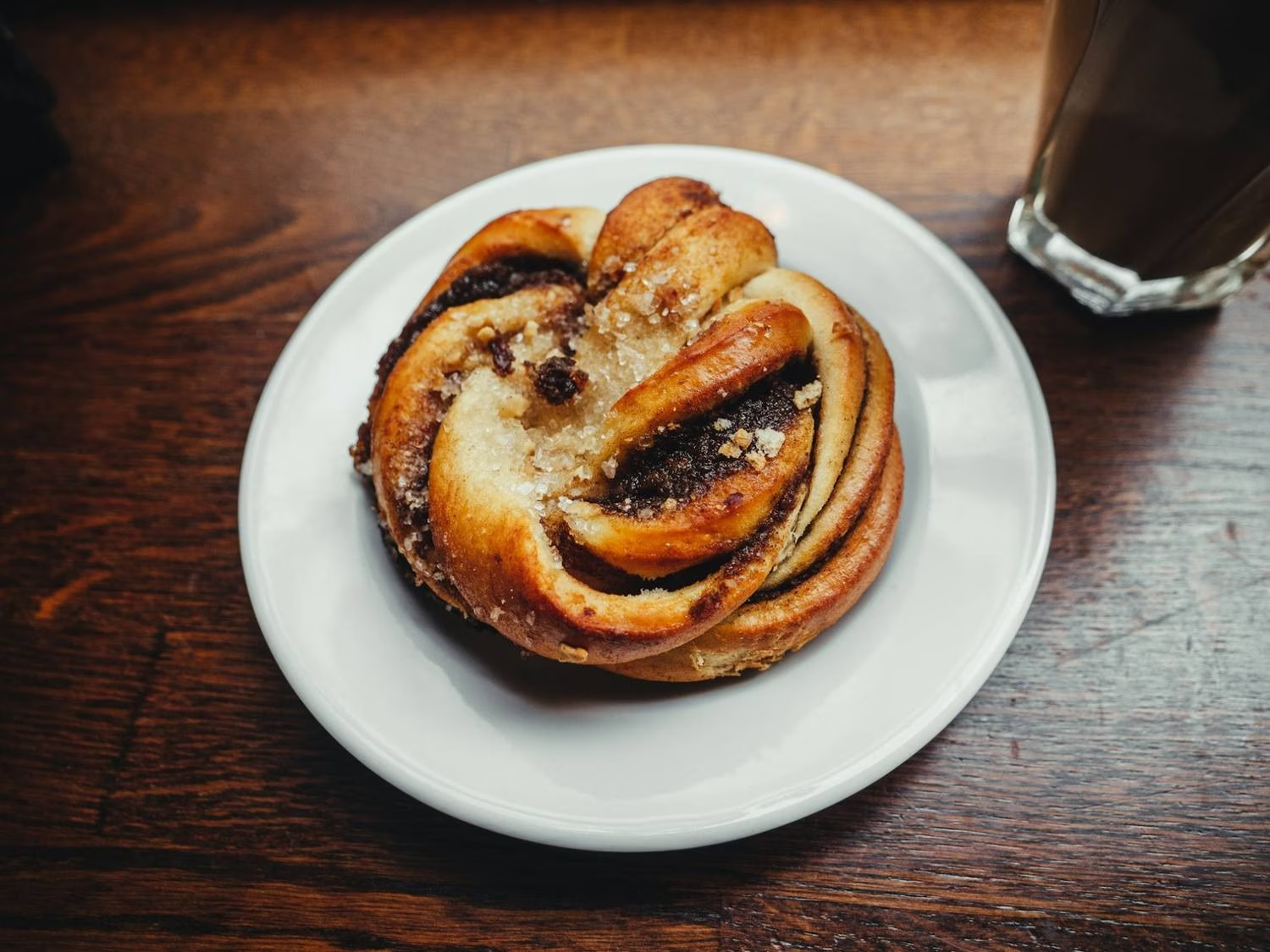
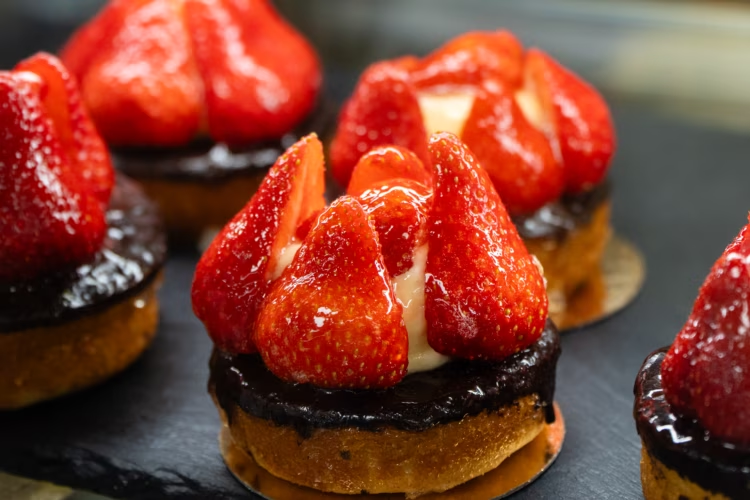
There’s considerable overlap between Danish pastries and desserts. The Danish pastry sits somewhere between breakfast ritual and sweet treat, but it varies a lot depending on the time of day and the type. For example, varieties such as cream-filled, glazed, and elaborately layered pastries lean far more towards dessert.
On the other hand, lagkage is a dessert through and through. This classic Danish layer cake is often consumed for birthdays, celebrations, and in cafés.
Copenhagen’s artisan bakeries have also been reimagining classic Danish pastries with the precision and creativity typically associated with patisserie. They’ve done so in a variety of ways, from using higher-quality ingredients and experimenting with bold flavor combinations to embracing more creative presentation.
Everyday Danish Desserts and Home Baking Traditions
Besides the big-name items, there are a handful of desserts that Danes make and eat at home. Æblekage, a type of apple cake layered with cream and breadcrumbs, can be found on family tables. So can drømmekage, a coconut- and caramel-topped cake originating from Brovst, that has long been popular.
Home baking culture in Denmark runs deep, as methods are often passed down through generations. Most households have some level of expertise in making sweet treats to share with family and friends.
This explains the origin of the Danish tradition of bringing homemade cake to work, school, and social gatherings. Danes often turn up at various events with a dessert in hand, as it’s widely viewed as a thoughtful gesture.
Where to Try Danish Desserts in Copenhagen
If you’re wondering where to try Danish desserts in Copenhagen, the only real challenge is deciding which place to eat at first. Kick off your search at bakeries and cafés such as Andersen Bakery, which many praise for its luscious cakes.
To sample seasonal treats like æbleskiver and other festive specialties, visit the Christmas markets at Tivoli Gardens, where many locals and visitors go to indulge in holiday favorites. You can also explore food halls and covered markets, including the well-known Torvehallerne KBH, which typically has a good mix of Danish pastries and sweet bites.
Tips for Eating and Exploring Danish Desserts
- Time of year: Plan your visit around the desserts you want to try, as many are seasonal. For example, visit in summer for koldskål and in winter for risalamande.
- Must-try dessert: If you only have room for one sweet treat, make it a serving of crispy æbleskiver. These are one of the country’s most iconic desserts that you have to sample when you’re here.
- Baking at home: If you’d like to try making some Danish desserts yourself, stock up on ingredients such as Danish butter, cardamom, and marzipan. A great recipe to start with is rødgrød med fløde, a simple yet delicious berry pudding that is relatively easy to prepare.
- Photography: When taking photos of desserts, you’ll want them to turn out well, and you can do this by capturing the texture of æbleskiver, the gloss of cherry sauce, and the layers of a lagkage.
Sources:
Eating Europe. (2026). Copenhagen. Retrieved June 1, 2026, from https://www.eatingeurope.com/copenhagen/
Andersen Bakery. (2026). Andersen Bakery. Retrieved June 1, 2026, from https://andersen-bakery-eu.dk/
Noma. (2026). Noma. Retrieved June 1, 2026, from https://noma.dk/
Torvehallerne KBH. (2026). TorvehallerneKBH. Retrieved June 1, 2026, from http://torvehallernekbh.dk/



Eating Copenhagen Food Tour: More than Smørrebrød
The most delightful of Danish & fusion foods
- Daily
- 3 Hours
- Small Group