

The Danish pastry is arguably one of the most well-known snacks on the planet, and there’s no better place to try it than straight from the source.
What Is a Danish Pastry?
The process of making these snacks begins with laminated dough, which is then baked into a variety of sweet, filled pastries sold in bakeries and cafes across Copenhagen. You’ll likely smell them before you see them, with bakers getting to work in the early hours of the morning, whipping up fresh batches.
What might confuse you at first is the fact that Danes call it wienerbrød, which means ‘Vienna bread,’ not Danish pastry. This is because the original recipe arrived on Danish shores with Austrian bakers back in the mid-1800s, which is why it’s associated with Austria.
The main differences between wienerbrød and a typical croissant are their lighter texture and higher fat content. There’s also a huge variety of fillings and toppings often added to it, such as jam and custard cream, whereas croissants are usually either plain or filled with chocolate.
If you go anywhere in the world, you’ll likely still hear people use the term ‘Danish pastry,’ as these flaky bites have long been associated with Denmark, underscoring their iconic status.
Those joining us on one of our Copenhagen food tours and wanting to learn more about Danish pastries can use this guide to discover great places to try them during their visit.
The Origin of Danish Pastry: A Surprisingly International Story
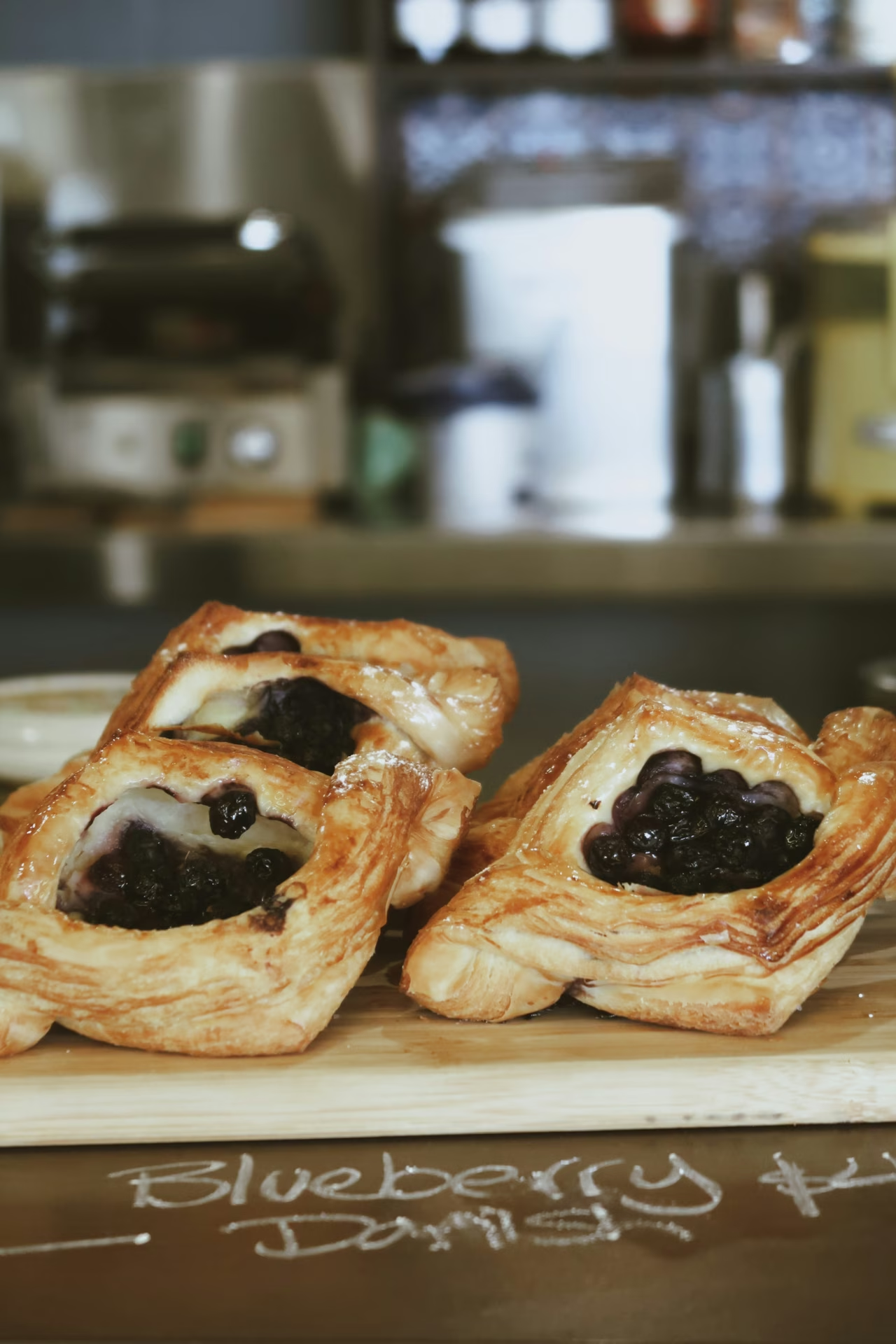
The Danish pastry has left a lasting mark on Denmark’s culinary identity. It all began with a 19th-century labor dispute that brought Austrian bakers to Copenhagen, and from that point on, Danish baking would never be the same.
Danish bakers adopted many techniques and methods from the Austrians, such as laminating dough, while incorporating more local ingredients and experimenting with flavors to better suit the local palate.
The real game changer was Danish dairy. The high quality of Danish butter helped create flakier layers, resulting in much more delicious pastries than those made with other ingredients.
Over time, wienerbrød evolved from a foreign import into a cornerstone of Danish food. Today, it can be found in bakeries across Copenhagen and in the far corners of the globe.
The Classic Danish Pastry Recipe: What Goes Into the Dough
The dough is what makes this pastry stand out the most, so bakers put in a great deal of work to perfect it. The laminating process is integral to the final result, combining flour, butter, and yeast into a dough that is then folded and layered to create the pastry’s texture.
One thing I should mention is that the butter must remain cold throughout the process, and patience is essential. Should the butter melt, it will ruin the dough’s flakiness entirely. If making them for yourself, just take your time, and the flakiness will follow.
Cardamom is another important element, as this spice defines the flavor profile. Without it, the pastry simply won’t taste the same.
You’ll immediately notice the difference between a home-baked wienerbrød and a bakery version. When made in a bakery, the lamination layers are more precise, the proofing is more accurate, and the finish is typically cleaner, often topped with a neat glaze.
Traditional Danish Pastry Varieties Worth Tasting
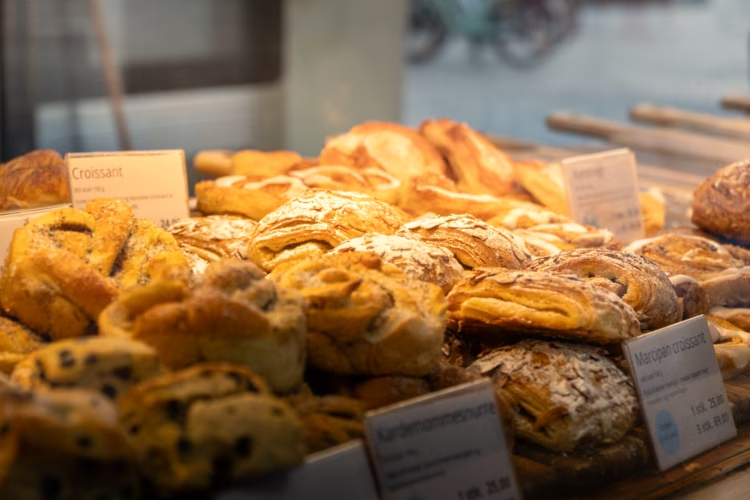
While there are many types of Danish pastry, there are a select few you can’t leave Copenhagen without trying.
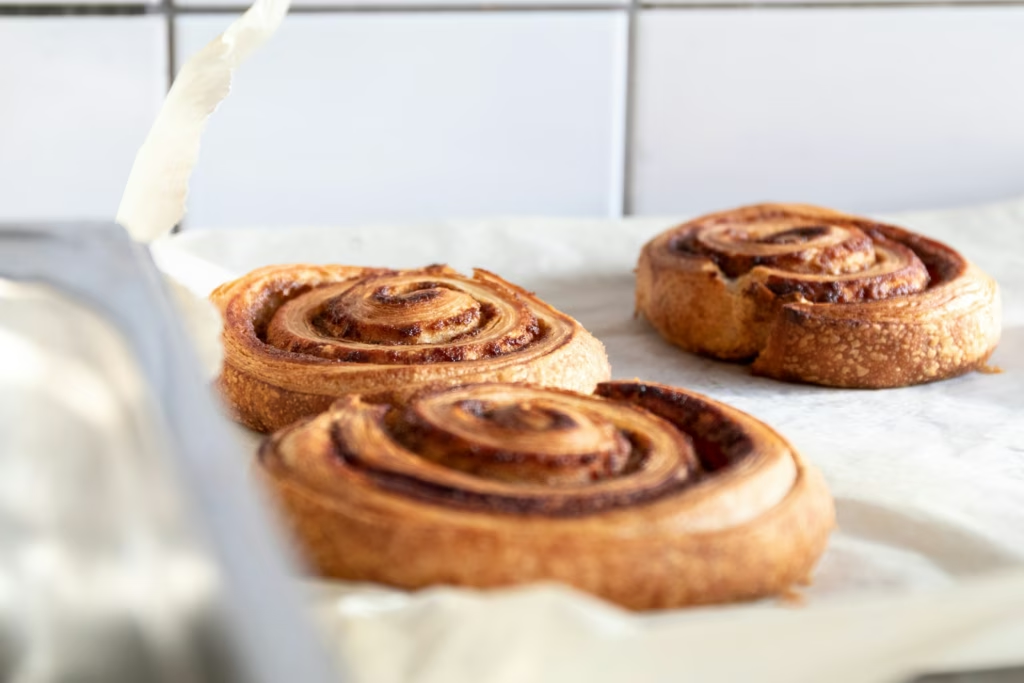
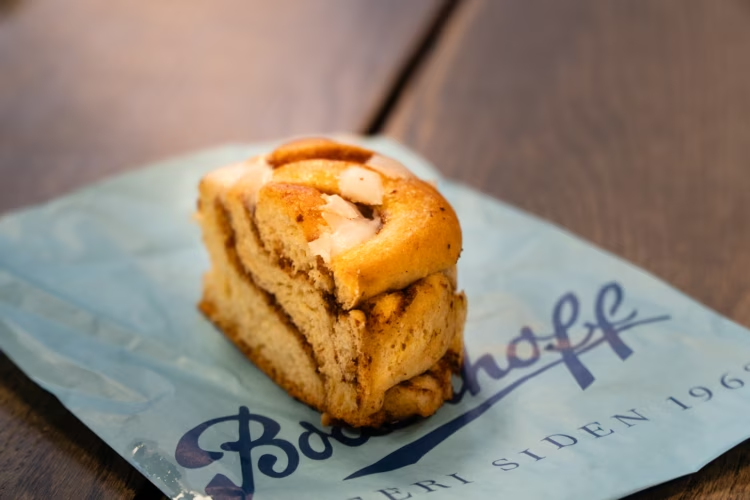
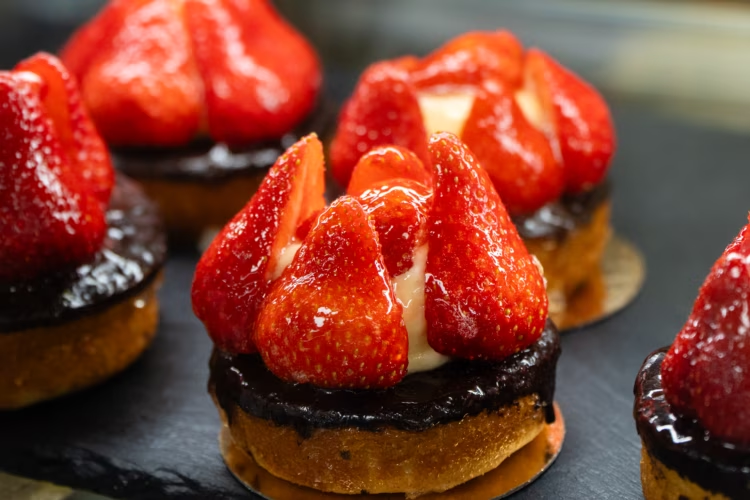
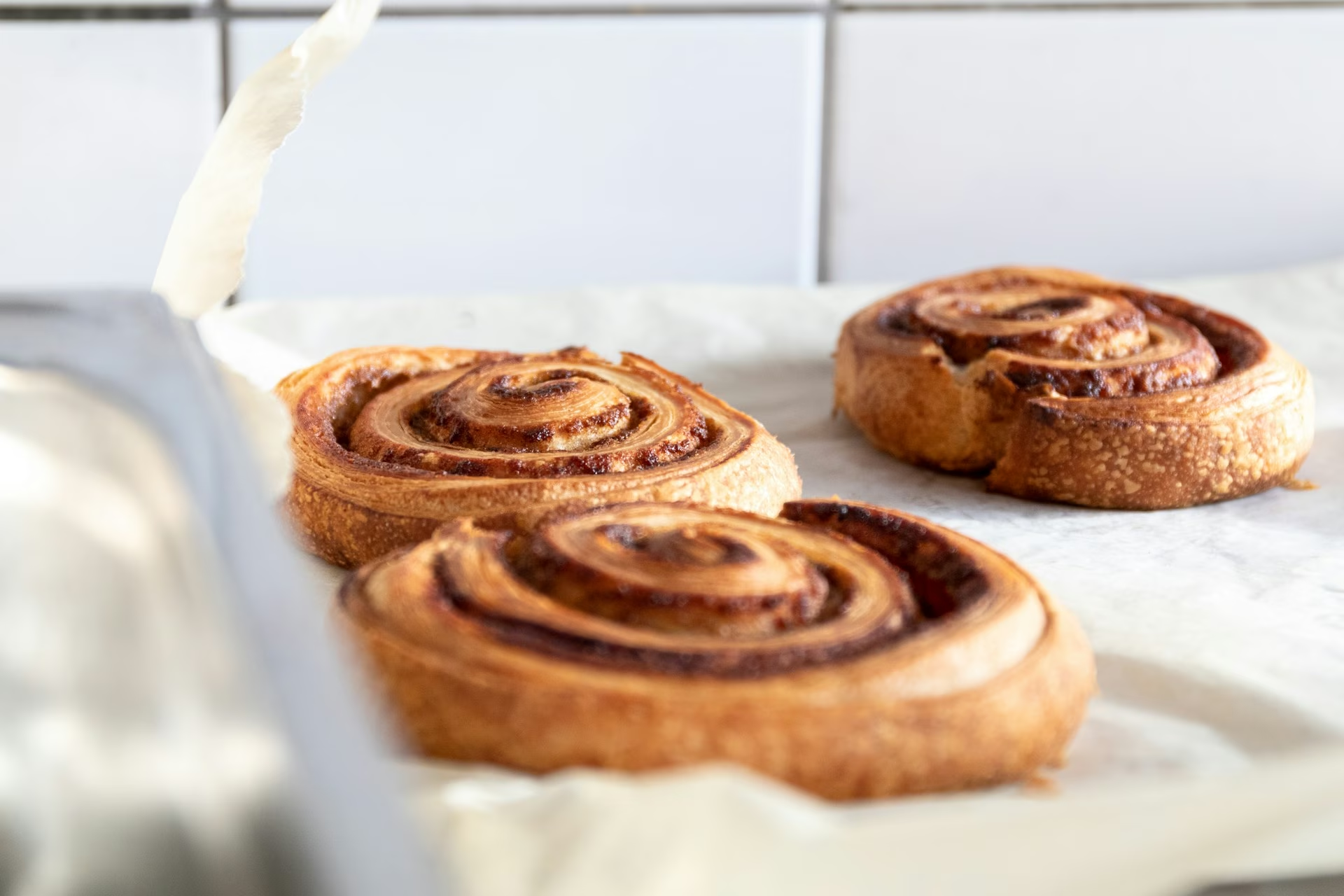
The Spandauer is a round pastry with a custard or jam center and is the best-known variety. You may also try the kanelsnegle, which is a cinnamon swirl that appears on every Copenhagen cafe counter. Tebirkes is another Danish staple, made with a poppy seed topping and a marzipan filling.
Be sure to try sesame and poppy seed-covered twists, like frøsnapper, and you’ll find a wealth of other regional varieties at bakeries as well.
Danish Pastry and the Danish Breakfast Table
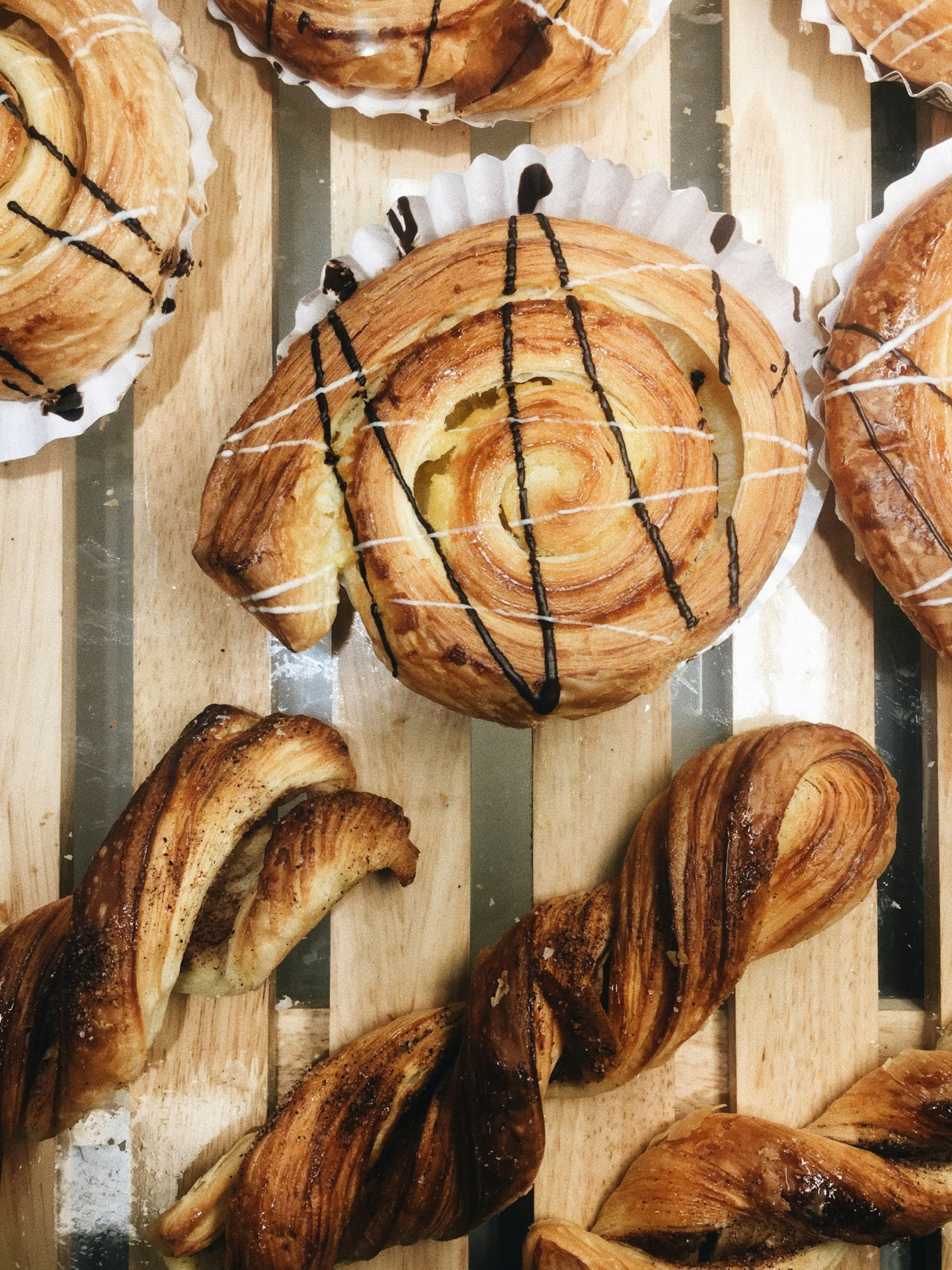
The Danish pastry and the breakfast table go hand in hand. Wienerbrød fits naturally into the broader Danish breakfast ritual, serving not just as an occasional treat but as a daily fixture eaten in homes around the country.
Weekend bakery runs are a tradition all over Denmark. As soon as the sun rises, you’ll witness tonnes of people making their way to the local bakery in search of fresh pastries to start their Saturday mornings.
It’s not just wienerbrød that shows up on breakfast tables either. Rye bread, cheese, and coffee are all part of a traditional morning feed in Denmark, so you have some decent variety to choose from even if you don’t want something sweet.
While pastries are very much a daily affair across Copenhagen, what’s on offer tends to vary by day of the week. Midweek options are much simpler, while weekend versions are often more indulgent, with elaborate toppings and richer fillings.
Where to Find the Best Danish Pastry in Copenhagen
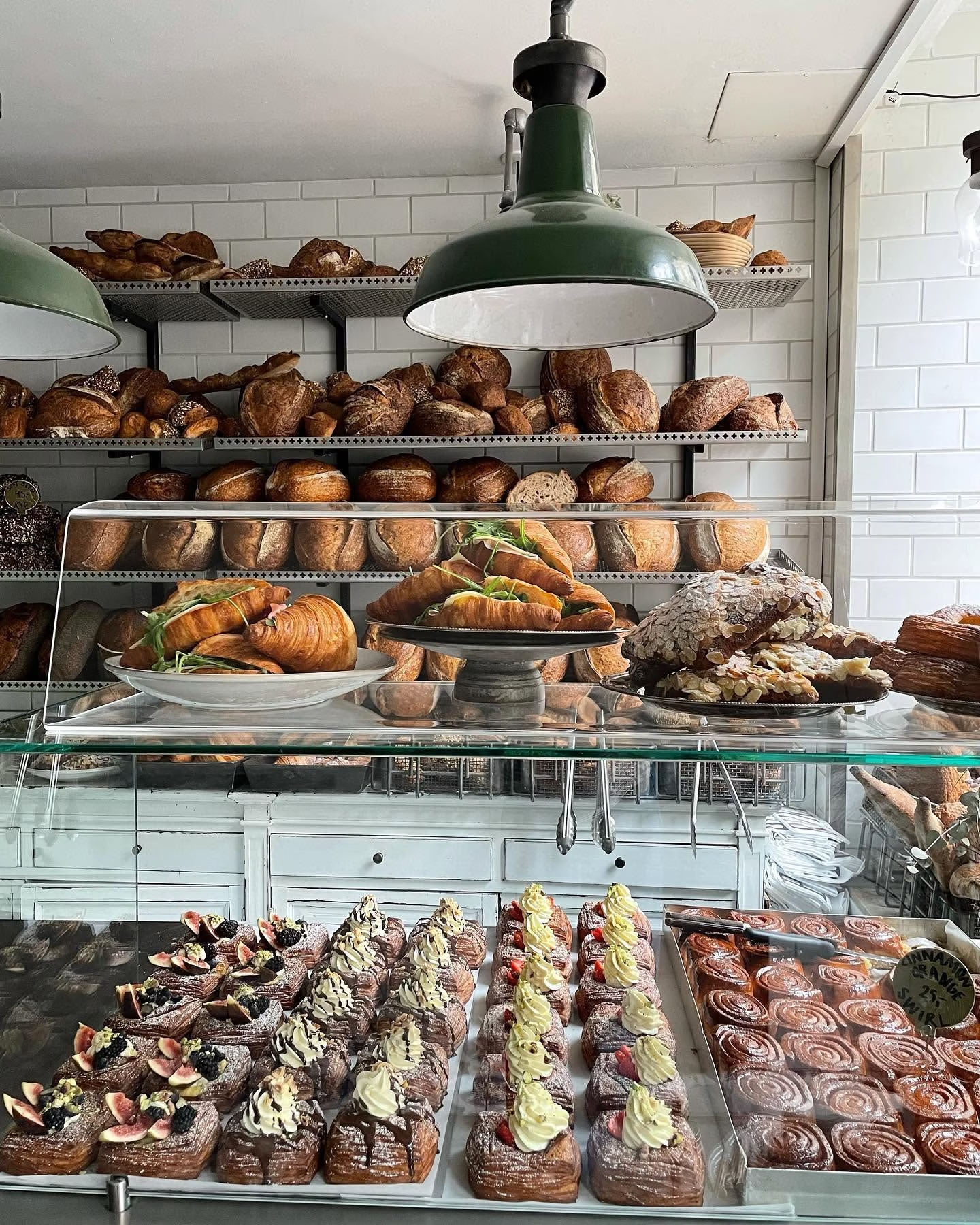
Photo credit: Buka
Danish pastries are not difficult to find in Copenhagen, but if it is your first time trying them, you want to make sure you are getting the very best. Artisan bakeries such as Juno the Bakery are pushing the quality and craftsmanship of wienerbrød forward and should be at the top of your must-visit list.
When you see a queue outside a neighborhood bakery, it’s usually a good sign that the pastries inside are worth waiting for. Conditori La Glace is one such spot where this rings true. On any given morning, you may see a slew of people waiting to go in.
If you want to have your pastry with a coffee (the ultimate combination), cafes where both are taken equally seriously are the way to go. Buka is a strong choice for exactly this. There are also many markets and food halls in Copenhagen that have a bunch of stalls selling fresh Danish pastries throughout the day, including the well-known Torvehallerne KBH.
Modern Takes on Danish Pastry
The original Danish pastry recipe is undoubtedly iconic, but some bakeries have begun experimenting with heritage grains, alternative fillings, and reduced sugar to create their own unique offerings.
Modern baking in Denmark has also been heavily influenced by the global sourdough movement. Lately, there’s an increased focus on fermentation and flavor, which, in some cases, has informed how bakers approach laminated doughs.
The last time I visited Copenhagen, I also noticed an increase in the number of establishments offering savory wienerbrød. This is a less popular direction that some Copenhagen bakers are taking, with fillings such as ham and cheese becoming increasingly common.
Regardless of how bakers craft their pastries, the butter, the layers, and the care in the fold should remain the same, no matter what.
Tips for Eating and Baking Danish Pastry
- Eating: A Danish pastry is best enjoyed fresh from the oven. The warm, flaky texture when it comes out is hard to beat. However, if left for a few hours, it will begin to go stale and lose its freshness.
- Storage: Danish pastries should be kept at room temperature in a breathable bag or a hard plastic container to help them stay fresh. If you leave them out uncovered, they’ll go off fairly quickly.
- Mistakes to avoid: The two most common errors people make when baking Danish pastries are letting the butter get too warm and not giving the dough enough time to set. Avoid these mistakes if you want your Danish pastries to look and taste good.
- Photography: To capture a great shot of your wienerbrød, focus on the layers and glaze up close to showcase the crisp texture of the freshly baked pastry.
Sources:
Eating Europe. (2026). Copenhagen. Retrieved June 1, 2026, from https://www.eatingeurope.com/copenhagen/
Juno the Bakery. (2026). Juno the Bakery. Retrieved June 1, 2026, from https://www.junothebakery.com/
La Glace. (2026). La Glace. Retrieved June 1, 2026, from https://laglace.dk/da/
Buka Bakery. (2026). Buka Bakery. Retrieved June 1, 2026, from http://buka-bakery.com/
Torvehallerne KBH. (2026). TorvehallerneKBH. Retrieved June 1, 2026, from https://torvehallernekbh.dk/


Eating Copenhagen Food Tour: More than Smørrebrød
The most delightful of Danish & fusion foods
- Daily
- 3 Hours
- Small Group