

You’ve heard of the Renaissance city’s countless top-class restaurants and cafes, but the delightful food markets don’t get nearly as much coverage. Thanks to Florence’s setting among the sun-drenched Tuscan hills, fresh produce hits the marketplace stalls year-round, and you can go and experience it yourself.
Being in Italy for years, I’ve gotten used to popping in and out of the markets in the morning, so I tend to do the same when traveling around the country to cities like Florence.
On my travels, I found so many great marketplaces that I knew I had to include in my small group Florence food excursions. I came across a significant number that I knew some of you would love, so I’ve decided to write up this article to give you some insight into the must-see markets in the city.
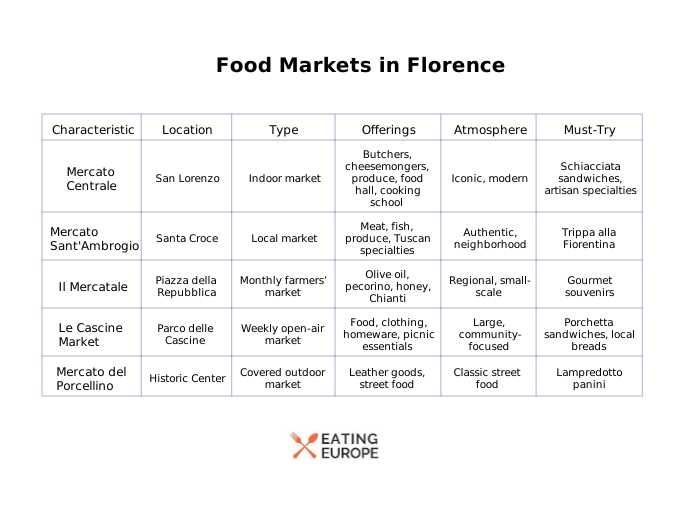
Our Guides’ Favorite Market Stalls
We believe that the true essence of Florentine life is best captured in the daily ritual of visiting the local food market. These historic halls are where the city’s best chefs and home cooks gather to find the finest seasonal produce available. We have identified the stalls that have been family-run for generations, offering a truly authentic taste of Tuscany. Book a food tour with us to learn more.
Mercato Centrale
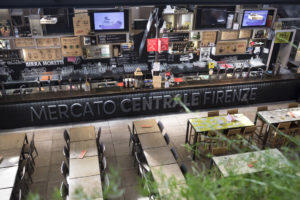
Out of all the Florence food markets, none are quite as famous as Mercato Centrale, one of the oldest and largest of its kind in the city. Somewhat of a landmark in the San Lorenzo neighborhood, Mercato Centrale is one of two permanent indoor markets in Florence.
It’s an architectural marvel designed by Giuseppe Mengoni. The traditional ground floor completely contrasts with the contemporary first floor. The bottom is mainly for meat and cheese, while the top boasts flowers, fruits, hot food, gelato, and the Medici cooking school.
Even though I spend most of my time in the bustling food court on the first floor, I love strolling past the family-run stalls downstairs each time I visit. Upstairs is an extensive line-up of eateries, including pizzerias and American BBQ joints, but La Schiacciata Firenze is usually my first pick.
This bright, colorful stall is home to some mouthwatering schiacciata. On its own, this bread is deliciously lightweight and chewy. However, I’m especially partial to their Roma sandwich, packed with delicate prosciutto, milky burrata, honey-tasting figs, and crunchy, peppery arugula.
Mercato Centrale – Piazza del Mercato Centrale, Via dell’Ariento, 50123 Firenze FI, Italy – Open every day from 9:00 am to 12:00 am
Mercato Sant’Ambrogio
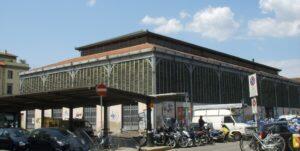
Another Mengoni-designed masterpiece is Sant’Ambrogio Market in Santa Croce. I’ve always found this market to have a more local vibe than Mercato Centrale, but it shares a similar 19th-century architectural design and lively atmosphere as its larger counterpart.
Since the 1870s, the vendors here have provided locals with premium meats, fish, cheeses, fruit, and vegetables. When I visited, I quickly learned that this was more than a hotspot for picking up fresh groceries, as everything from homeware to handmade trinkets was up for grabs.
Ambling past the dozens of multi-generational stands and watching the acclaimed butchers and cheesemongers at work is reason enough to visit. Still, you need to make time to sample some local specialties on offer, and Da Rocco, a tiny in-market trattoria, is a great place to do just that.
Communal-style dining is what Da Rocco is all about, and I joined a table of other food fanatics eager to try a hearty serving of trippa alla Fiorentina. The tripe was soft but slightly chewy, and its mild flavors complemented the sweet tomatoes, zingy onion, and touch of chili.
Mercato Sant’Ambrogio – Piazza Lorenzo Ghiberti, 50122 Firenze FI, Italy – Open every Monday to Saturday from 7:00 am to 2:00 pm, closed Sunday
Traditional Markets to Explore
We love the contrast between the grand architecture of the Mercato Centrale and the more local, rustic feel of Sant’Ambrogio. Each market has its own unique character and specialized vendors that reflect the needs of the surrounding neighborhood. Our selection focuses on the spots where you can sample everything from aged pecorino to freshly pressed olive oil. Book a food tour with us to learn more.
Il Mercatale
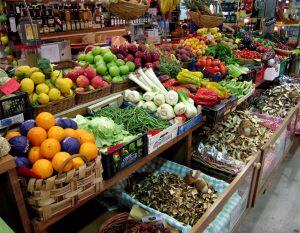
Unlike some other markets in Tuscany, Il Mercatale only operates once a month. On the first Saturday of most months, upwards of a hundred local producers descend on the Piazza della Repubblica, showcasing some of the finest olive oils, Chianti wines, fresh pasta, and truffles available.
Il Mercatale is located on the site of the former Mercato Vecchio, which thrived during the 19th century. Although now only a monthly fixture, Il Mercatale is as popular as ever. With its old-school stands and range of must-try Tuscan products, I felt like I’d gone back in time when I visited.
It’s not typically a spot for hot food and snacks if that’s what you’re in the market for, but it’s a treasure trove of local delights. If you’re hoping to take some quintessentially Tuscan favorites home and your visit falls on the first Saturday of the month, Il Mercatale is a must.
I stocked up on honey, wine, and cheese, but the pecorino I picked up seemed to disappear in no time! The cheese’s bright, grassy notes and firm yet creamy texture became more pronounced with each bite. It paired beautifully with the vanilla-like acacia honey I also purchased.
Il Mercatale – Piazza della Repubblica, 50123 Florence, Metropolitan City of Florence, Italy – Open the first Saturday of every month from 8:00 am to 8:00 pm (closed in January, July, and August)
Le Cascine
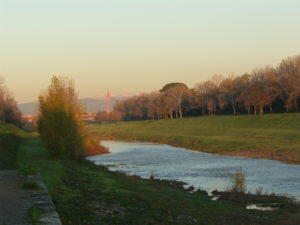
A hub for bargain hunters, culture buffs, and epicurean travelers, Le Cascine is a weekly market in its namesake park, Parco delle Cascine, in western Florence. Every Tuesday, this expansive market welcomes hundreds of customers looking for tasty fare and quality products.
Despite its well-known status, Le Cascine is relaxed and low-key. When I arrived, I wasn’t looking for anything in particular, but I spent several hours walking between the remarkably varied stalls. There are over one kilometer’s worth of stands, so I was glad I had plenty of time to spare.
I’m not sure there’s anything you can’t purchase at Le Cascine, as I spotted vast collections of clothes, furniture, and kitchenware among the numerous local food merchants. A friend of mine joined me, and we decided to secure some porchetta and bread for a picnic in the nearby grassy area.
Though not quite as tasty as when prepared by a vendor, we used the tangy, airy ciabatta to make sandwiches with the porchetta.
The bread’s subtle flavors perfectly accompanied the salty, juicy pork, which was doused in buttery garlic and woodsy rosemary. Topped with its signature crispy skin, this tender meat made for a satisfying lunchtime snack.
Le Cascine – Parco delle Cascine, Piazzale delle Cascine, 50144 Firenze FI, Italy – Open every Tuesday from 8:00 am to 2:00 pm
Selected Markets for Food Lovers
We find that visiting a market is the best way to understand the seasonal rhythms of the Tuscan kitchen and the importance of provenance. These spaces are social hubs where recipes are exchanged and the quality of the harvest is the main topic of conversation. A walk through these stalls is a sensory experience that will deepen your appreciation for Italian gastronomy. Book a food tour with us to learn more.
Mercato del Porcellino
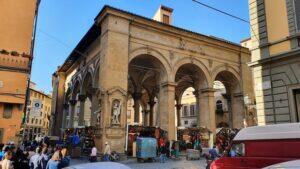
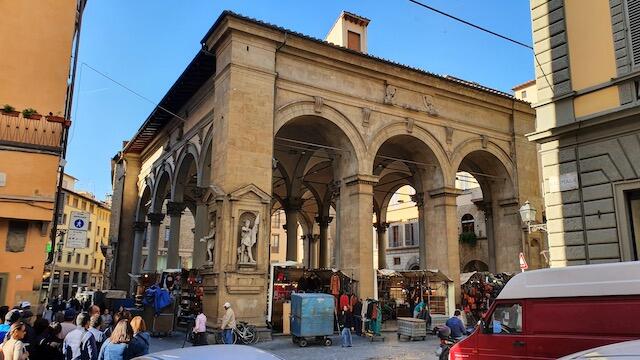
In the heart of the historic center is Mercato del Porcellino, a buzzing Italian bazaar that once housed a plethora of luxury retailers. Many visitors come here to see the iconic Fontana del Porcellino, Florence’s famous wild boar statue, but trust me, it’s worth staying for the delectable food.
Leather goods are the biggest draw for shoppers, and there are endless rows of handbags, wallets, and clothing alongside the culinary offerings. While it’s technically an outdoor market, it’s pretty much entirely covered, just in case a quick downpour happens.
In terms of the must-visit eateries at Mercato del Porcellino, I can’t recommend the foodie stands like Venchi Chocolate and Gelato and Trippaio del Porcellino enough. The former is a hotspot for sweet treats, while the latter focuses on savory alternatives.
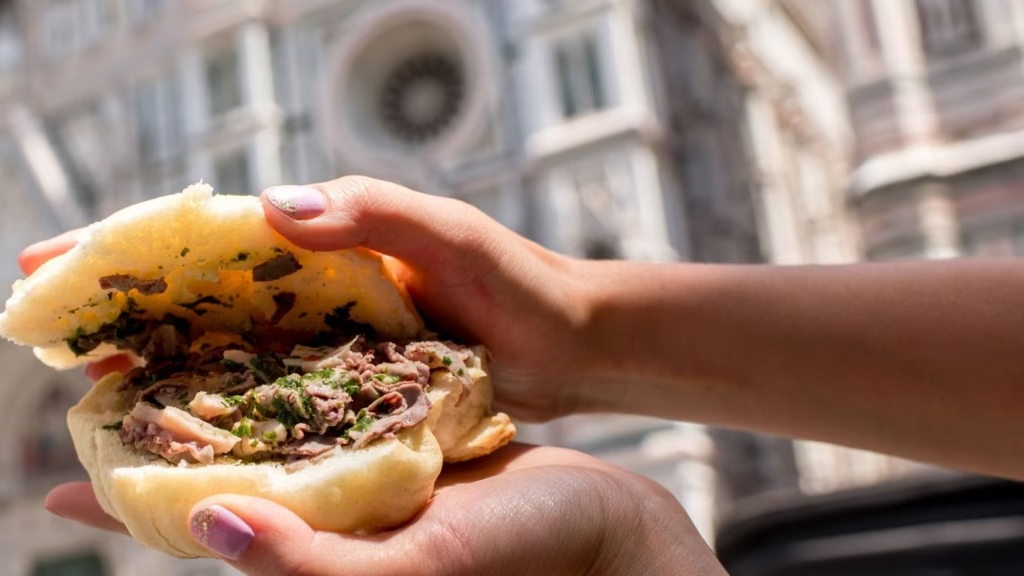
Trippaio del Porcellino is my all-time favorite here, and their classic lampredotto paninis hit the spot every time. Very few places in Florence serve up lampredotto this incredible, so prepare to join the lengthy queues to get your hands on one!
With the beefy taste of the succulent meat, which is from a cow’s fourth stomach, and the crusty bread, this lampredotto had a lovely balance of flavors and textures. The bread was fluffy but firm enough to withstand the moistness of the meat and the spicy, herby sauce.
Mercato del Porcellino – Piazza del Mercato Nuovo, 5 R, 50123 Firenze FI, Italy – Open every day from 9:00 am to 6:30 pm
History of Markets in Florence
The Mercato Centrale was designed by Giuseppe Mengoni, the same architect who created the famous Galleria in Milan, and opened in 1874. We see it as a masterpiece of iron and glass that brought a modern sense of organization to the city’s food trade. Historically, these markets were the only places where residents could find fresh fish and meat brought in from the coast and countryside daily. Understanding this history helps us see the markets as more than just shops, but as vital pillars of the city’s infrastructure.
Market Etiquette in Florence
When shopping at a Florentine food market, we always advise against touching the produce yourself; instead, let the vendor select the best items for you. It is helpful to bring your own reusable bag, as locals are very conscious of reducing plastic waste during their daily errands. You should try to arrive early in the morning to see the markets at their most energetic and to secure the best of the day’s catch. Don’t be afraid to ask for a “per asporto” or a sample if you are unsure about a specific type of cheese or cured meat.
Conclusion
With everything from butchers and bakeries to street food vendors, Florence’s food markets offer some of the tastiest and freshest fare in the city.
Each spot I’ve mentioned on this list has its own character; you’ve just got to choose what you’re after, from traditional farmer’s markets to modern alternatives that even serve daily aperitivos.

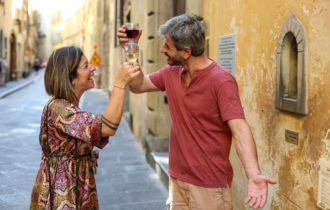
Florence Sunset® Food & Wine Tour
An unforgettable evening filled with wines, fresh pasta, cocktails and an exclusive wine cellar experience.
- Daily
- 3.5 Hours
- Small Group
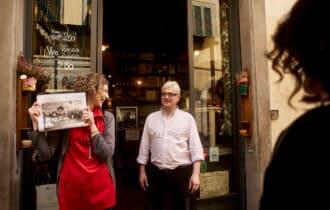
Florence Food & Local Flavors Tour
An intimate culinary experience through Oltrarno, among Tuscan flavors and legendary local hosts
- Mon-Sat
- 3 Hours
- Small Group
Tuscany Truffle Hunt: A Culinary Adventure
A gourmet culinary adventure with a multi-course meal in the Tuscan countryside.
- 5 Hours
- Small Group