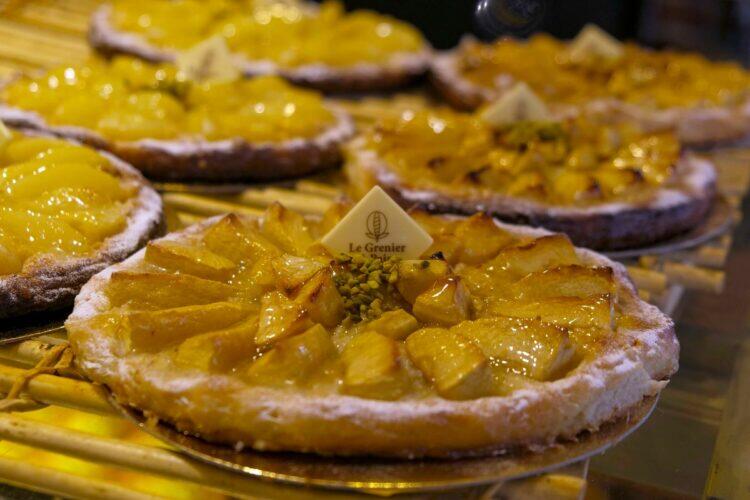
Even if you haven’t heard a whole lot about French food, you’ll likely know all about croissants, escargot, and boeuf bourguignon! While these are all must-try dishes for anyone visiting France, those arriving when the Easter celebrations are in full swing will have a host of lesser-known delicacies to savor.
I always try to include a wide range of local and regional favorites in my Paris food tours. However, if you’re eager to dive a little deeper into French culinary traditions, I highly recommend planning your trip for Easter.
As such, I’ve put together this guide to French Easter food that features classic dishes, regional specialties, and plenty of recommendations!
The Role of Food in French Easter Celebrations
The French don’t mess around when it comes to their culinary creations, and this is no different when the Lenten and Easter periods come around.
Easter celebrations and traditions often center around food, and family meals take center stage. Not only do these foodie-focused get-togethers provide a sense of community, but many of the dishes reflect aspects of the resurrection, merging both the religious and cultural sides of the festivities.
In general, traditional French Easter dishes are hearty and nourishing, utilizing ingredients like lamb, ham, and eggs. Nonetheless, there are plenty of meat-free options that are typically enjoyed as part of the weekly Friday fast. If you’re more interested in saccharine treats, you’ll also have a slew of French Easter desserts and sweets to sample!
Les Cloches Volantes: France’s Flying Easter Bells
Before diving into the food, it’s worth understanding the tradition that defines Easter in France — because it’s not the Easter Bunny who delivers the chocolate here.
In France, church bells ring several times a day throughout the year. But on Maundy Thursday (Jeudi Saint), every bell in the country falls silent. According to Catholic folklore, the bells sprout wings and fly to Rome to be blessed by the Pope, carrying with them the grief of those mourning Christ’s crucifixion.
On Easter Sunday morning, the bells return, ringing joyfully to announce the resurrection — and scattering chocolate eggs, bells, hens, and fish across gardens and windowsills along the way. Children rush outside shouting “Les cloches sont passées!” (The bells have passed!) and hunt for the treats with baskets in hand.
This is why you’ll find bell-shaped chocolates (cloches en chocolat) in every pâtisserie and chocolaterie window across France in the weeks before Easter — alongside eggs, hens, chicks, and fish. It’s one of the most charming food traditions in Europe, and it means that Easter chocolate in Paris is an art form all its own.
Top Traditional French Easter Food
Gigot d’Agneau
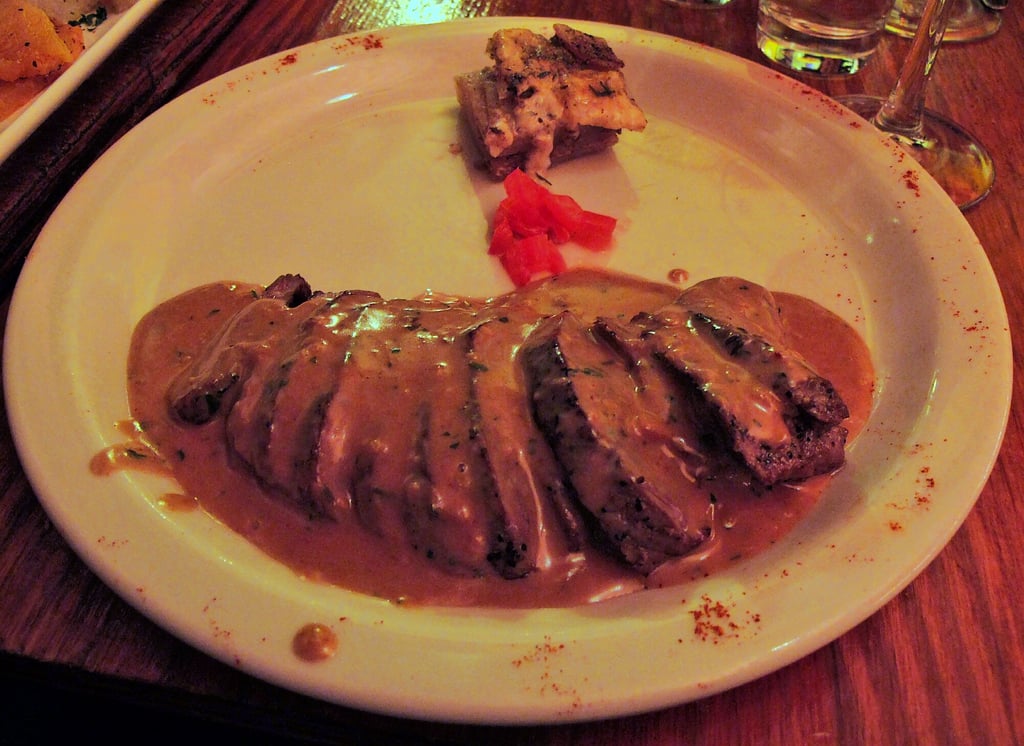
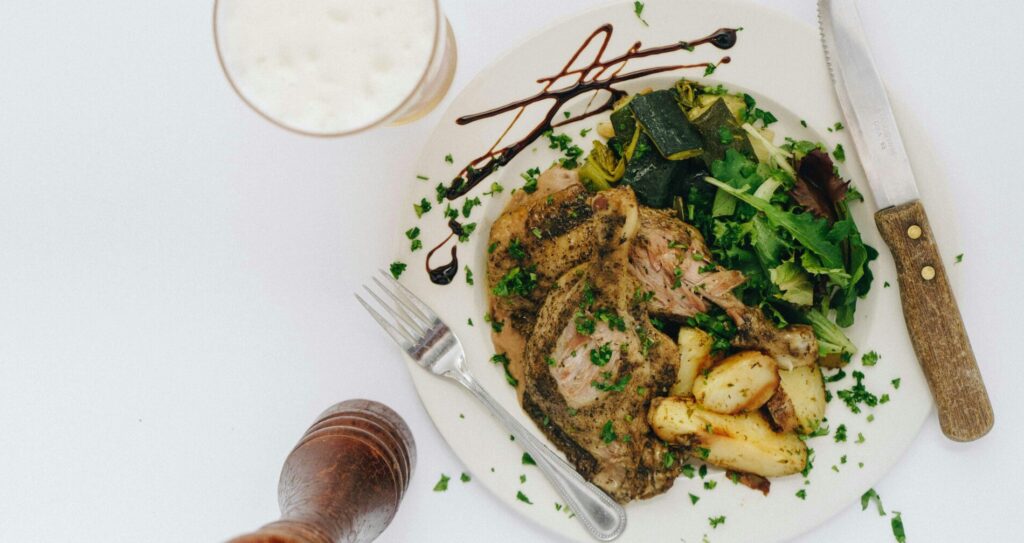
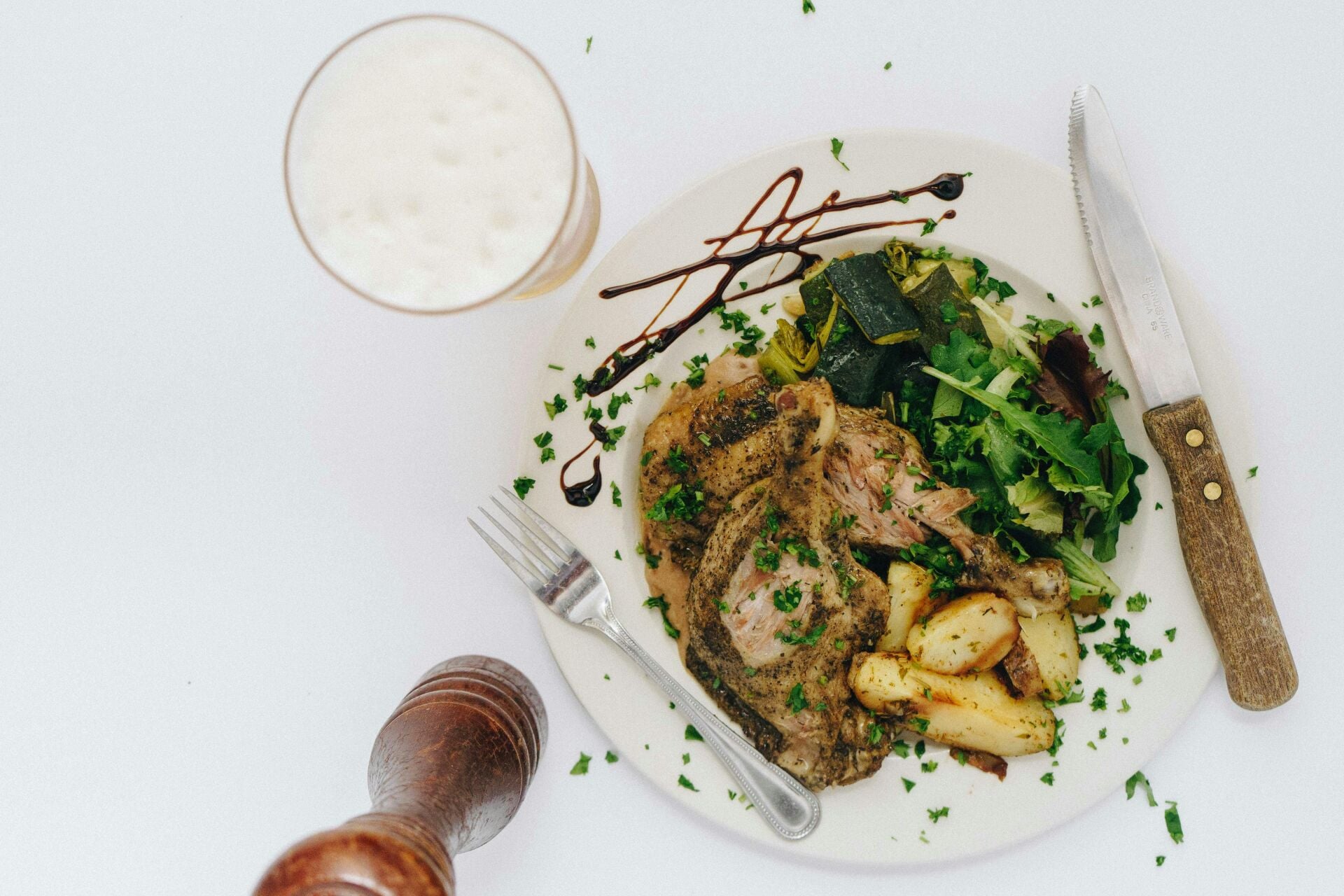
Lamb is an Easter staple in pretty much every corner of the country, with many favoring roasted varieties. To make the perfect gigot d’agneau, which refers to a leg of lamb, flavorful ingredients like garlic, rosemary, salt, pepper, and thyme are essential.
In France, lamb is among the most symbolic and historical Easter foods, representing Jesus as the ‘Lamb of God.’ For quality roasted lamb, check out Parisian eateries like La Jacobine.
Pâté de Pâques
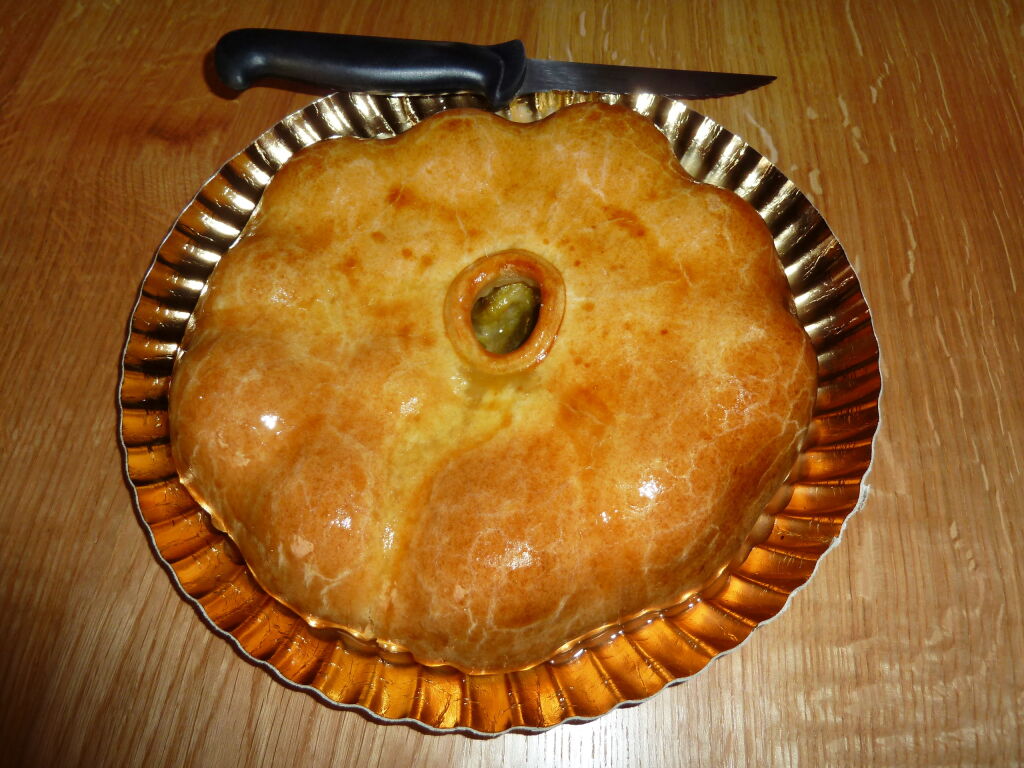
Pâté de Pâques is a delicious French Easter pie consisting of pork, veal, and boiled eggs packed inside buttery puff pastry. While the backstory of this dish is sometimes disputed, it’s been popular for centuries and includes ingredients that many people would have abstained from during Lent.
It has links to the Berry area in Pays de la Loire, and I found a superb version of this tasty pie at Sarl Au Senat in the city of Bourges.
Navarin d’Agneau
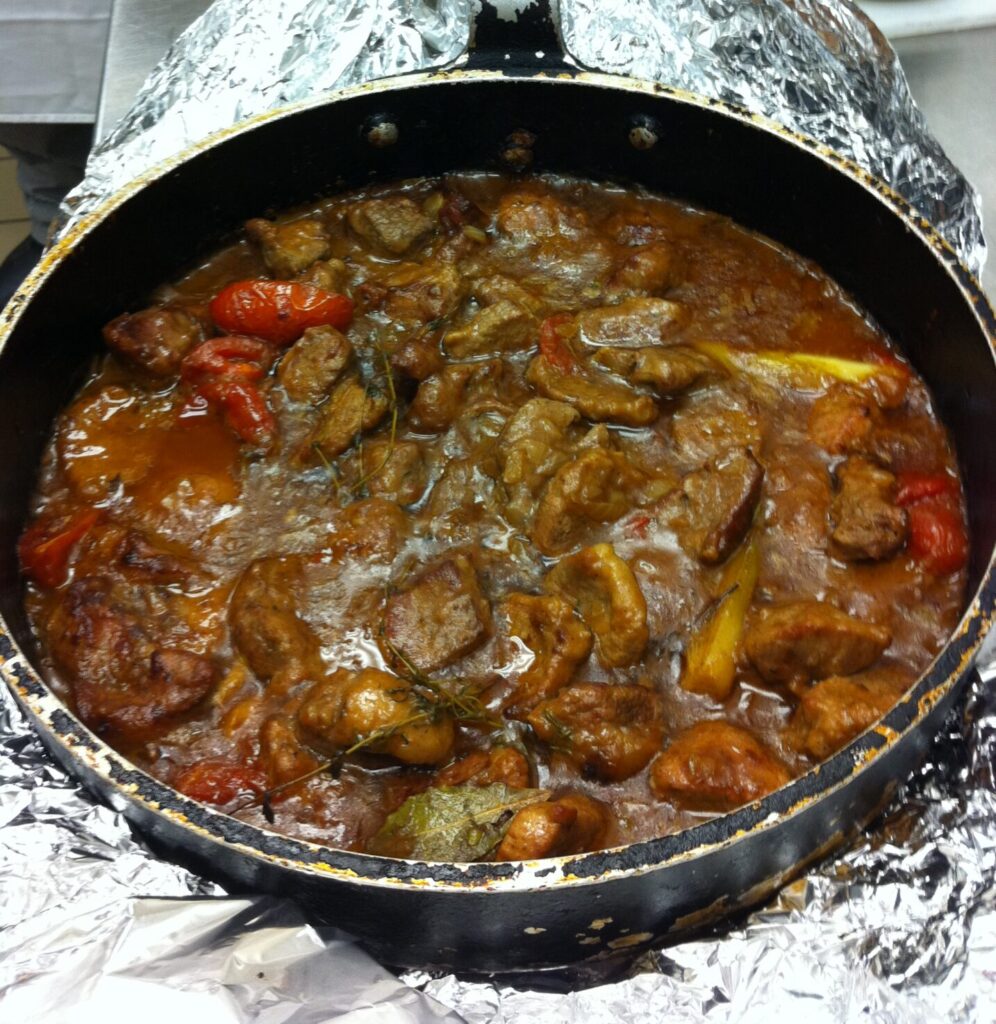
Another lamb-based French Easter food that you simply can’t miss is navarin d’agneau. This stew-like dish is full of comforting flavors and blends lamb, or sometimes mutton, with potatoes, carrots, turnips, and white wine. I’ve spotted this dish on a few menus in the region, but I tried a particularly great version at Chez Germaine in Paris.
Navarin d’agneau likely originated in Île-de-France, where farmers would use springtime favorites like lamb and root vegetables to prepare satisfying meals. However, the origins of the dish and its name is often contested. Our tour guide in Paris says:
“There are two theories about the origin of navarin. One claims it was created to commemorate the French navy’s 1827 victory at Navarino Bay, while the other ties its name to the French word for turnip, navet. Auguste Escoffier, the father of modern French cuisine, gave the dish its name. Though navarin can be enjoyed year-round and made with various meats, it remains a springtime and Easter tradition—sometimes called Navarin Printanier when prepared in the spring.”
Omelette de Pâques
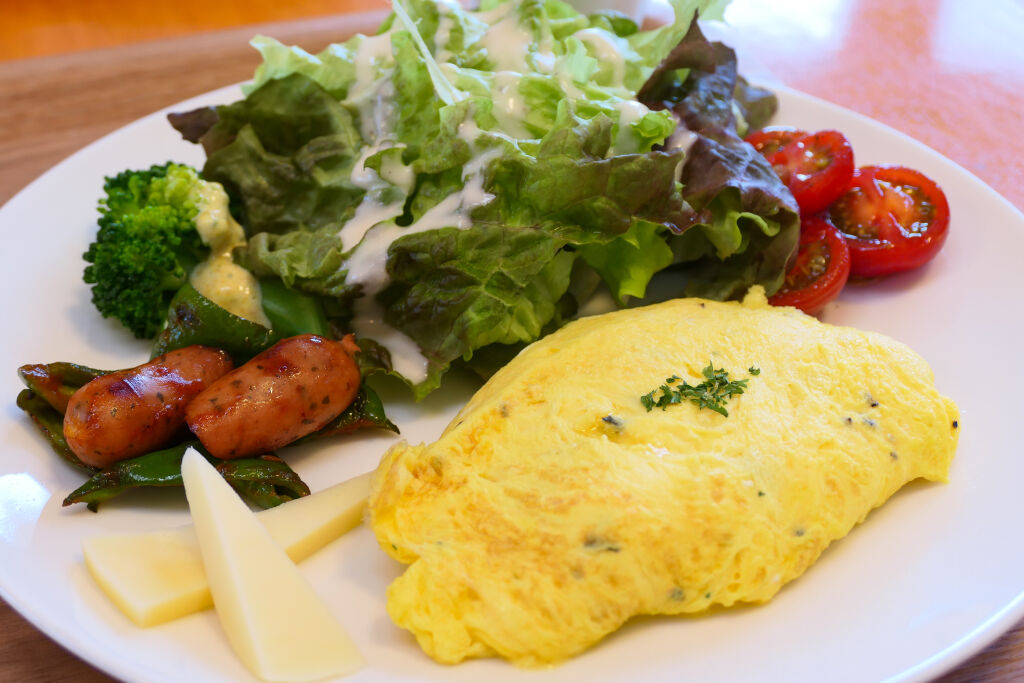
An omelet might seem like a rather typical French dish, yet it remains incredibly popular throughout the Lenten and Easter periods. Although the name omelette de Pâques suggests that this isn’t your average omelet, it usually contains basic fillings like cheese, vegetables, and herbs.
The tradition of enjoying omelets on Easter Monday originated in Occitania, as locals worked to use up leftover vegetables and eggs from the previous day. These tend to be consumed at home rather than in restaurants, but spots like Cerise in Toulouse offer some pretty great omelet options.
Nid de Pâques
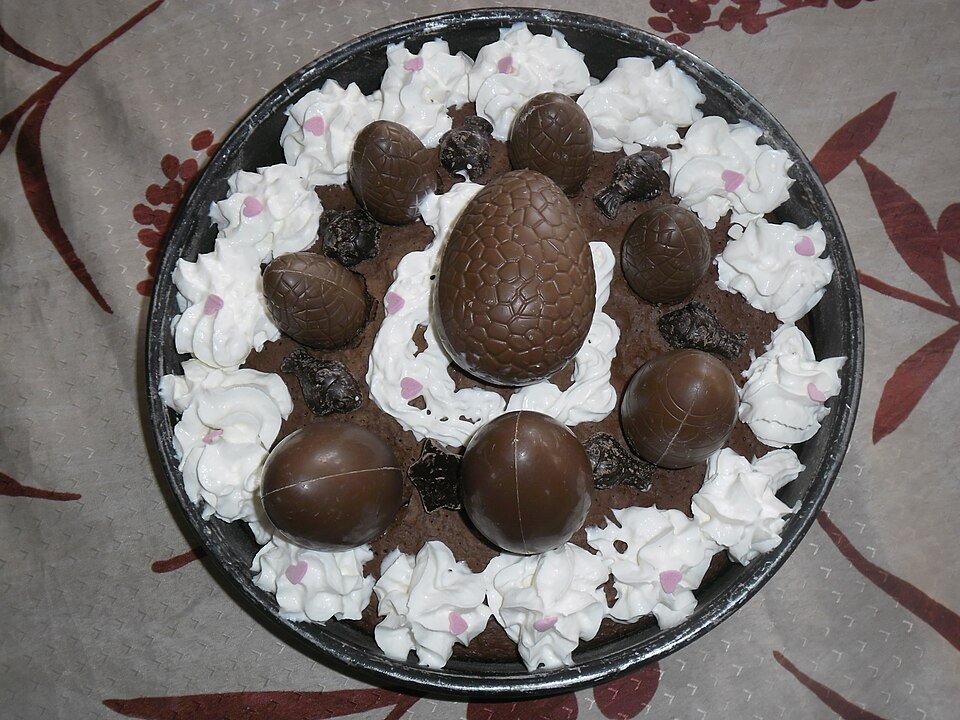
There are plenty of mouthwatering desserts served up each year in France at Easter, but few are as delectable as nid de Pâques. Chocolate is the focus of many Easter treats. In this case, silky white, milk, or dark varieties are mixed with anything from airy sponge to crunchy cereals to create a cake that resembles a nest.
This dessert is considered a symbol of new life, and although it’s not tied to a specific city, I think bakeries like Ritz Le Comptoir in Paris prepare the best versions!
Regional Easter Food Traditions in France
Plenty of regional Easter cuisine variations exist in France, and even though many dishes are enjoyed throughout the country, some are specific to certain areas.
Île-de-France: Navarin d’agneau and chocolate eggs (oeufs en chocolat) take centre stage in Paris and surrounding areas. The capital’s chocolatiers compete to create the most elaborate Easter window displays, making a chocolate walk through the Marais or Saint-Germain an Easter tradition in its own right.
Grand Est (Alsace): Quiche Alsacienne, Osterlammele lamb cake, and the Easter Bunny tradition. Good Friday is an official public holiday here (unlike the rest of France), and bakeries prepare special Easter breads alongside the lamb cakes.
Burgundy-Franche-Comté: Burgundy ham terrine (jambon persillé) is a classic Easter starter — cubes of ham set in parsley-flecked aspic, served cold.
Occitania: The omelette de Pâques tradition is strongest here, with some towns in southern France hosting communal omelette-making events on Easter Monday. Folklore links the giant omelette tradition to Napoleon feeding his troops.
Pays de la Loire: Brioche Vendéenne (a rich, braided brioche scented with orange flower water) and pâté de Pâques are Easter essentials. The Berry area around Bourges is considered the heartland of French Easter pie.
Provence: The Easter omelette tradition here is also strong, and spring lamb from the garrigue — flavoured by the wild herbs the animals graze on — is particularly prized.
Conclusion
If you’re already a fan of France’s one-of-a-kind cuisine, I think you’ll love traditional French Easter food! It has all the rich, wholesome flavours we’ve come to expect from classic French recipes but with some unique touches to make it a little more special for the Easter celebrations.
With Easter 2026 falling on April 5, it’s the perfect time to combine a spring trip to Paris with the country’s most delicious seasonal traditions — from a long Sunday lunch of gigot d’agneau to browsing the chocolate masterpieces in the windows of the city’s finest chocolatiers.
And while Easter dishes are seasonal, Paris’s food scene is incredible year-round. If you’d like to explore the best of Parisian cuisine beyond Easter, join me on one of my Paris food tours — from the cobblestone streets of Le Marais to the hilltop bakeries of Montmartre, there’s always something delicious to discover.
Sources
Eating Europe. (n.d.). Paris food tours & culinary experiences. https://www.eatingeurope.com/paris
La Jacobine. (n.d.). La Jacobine – Paris restaurant. https://lajacobine.fr/
Restaurant Ausénat. (n.d.). Restaurant Ausénat. https://www.restaurant-ausenat.fr/
Chez Germaine. (n.d.). Chez Germaine – Bistrot Parisien. https://chezgermaineparis.fr/en
Le Café Cerise. (n.d.). Le Café Cerise. https://lecafecerise.fr/
Ritz Paris Le Comptoir. (n.d.). Ritz Paris Le Comptoir. https://www.ritzparislecomptoir.com/en?utm_source=google&utm_medium=organic&utm_campaign=gmb_le_comptoir

Before the big crowds arrive, discover the real locals and hidden gems of Montmartre
- Private request only!
- Private tour