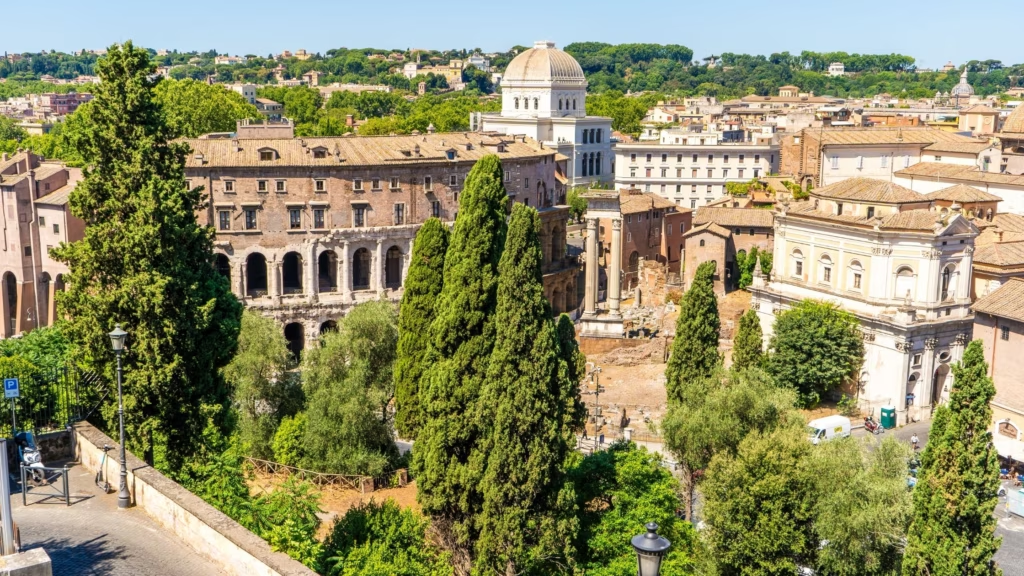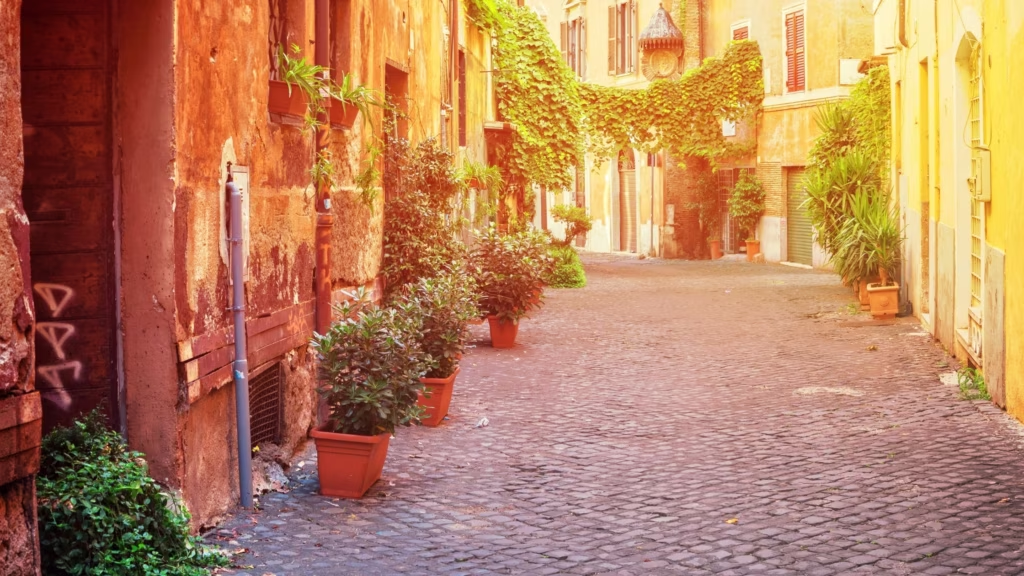
Campo de’ Fiori in Rome is all the talk at the moment among travelers. It has character, an interesting history, and a convenient location all in one. No wonder it earns a place on just about every itinerary for people visiting the city.
Neighborhood Overview and History
Campo de’ Fiori in Rome is all the talk at the moment among travelers. It has character, an interesting history, and a convenient location all in one. No wonder it earns a place on just about every itinerary for people visiting the city.
Once just a field of flowers, Campo de’ Fiori has seen rapid development over the years. The first paving in the area began in 1456, and it later transformed into one of Rome’s central squares, witnessing many historical events along the way. One in particular was the execution of Giordano Bruno in 1600.
Not only will you have the chance to see plenty of historic landmarks and enjoy a lively atmosphere throughout the day, but it will also put you within easy reach of several major sights. The location and accessibility of Campo di Fiori are among its biggest draws, as it’s close to the likes of Piazza Navona, Via Giulia, and the historic Centro Storico.
If you’re considering joining one of our Rome food tours and have plans to visit Campo de’ Fiori, this article is for you. We’ll explore what makes this part of the Italian capital so special and show you how to make the most of your visit.
The Daily Market at Campo di Fiori
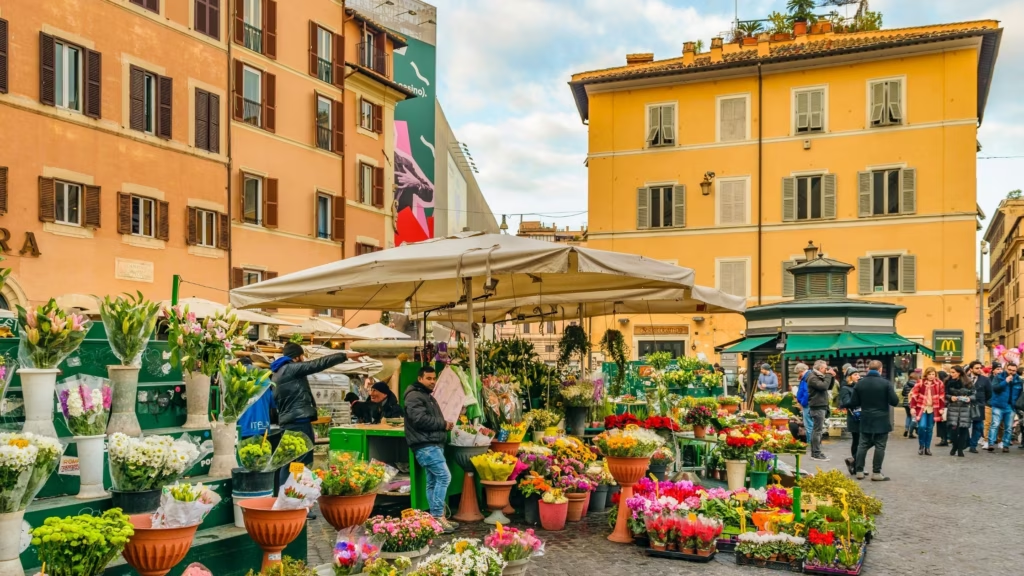
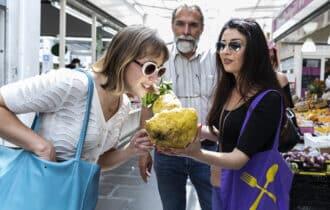
One of the highlights of Campo de’ Fiori is undoubtedly the daily market. Rows of local vendors set up shop here six days a week, selling some of the finest fresh produce around, including cheeses, sweet dried fruits, delicious meats, and a blend of spices. You’ll also come across stalls offering baked treats, beautiful flowers, and plenty of other goodies in between.
This is far more than your average market, as it plays an integral role in everyday life across the city. It gives local vendors a place to make a living while keeping the city’s market culture alive.
Just don’t forget to bring some cash with you, as many vendors only accept physical euros from customers looking to pick up a few items. It’s also a good idea to arrive early in the morning when things first get going. That’s when the stalls are fully stocked, so you won’t miss out on anything.
Giordano Bruno Statue and Historical Significance
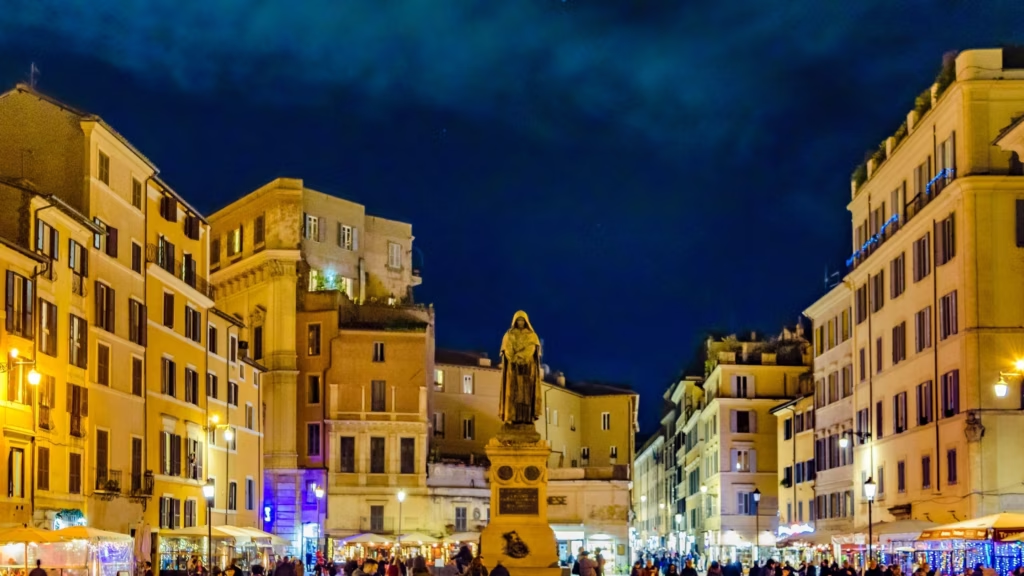
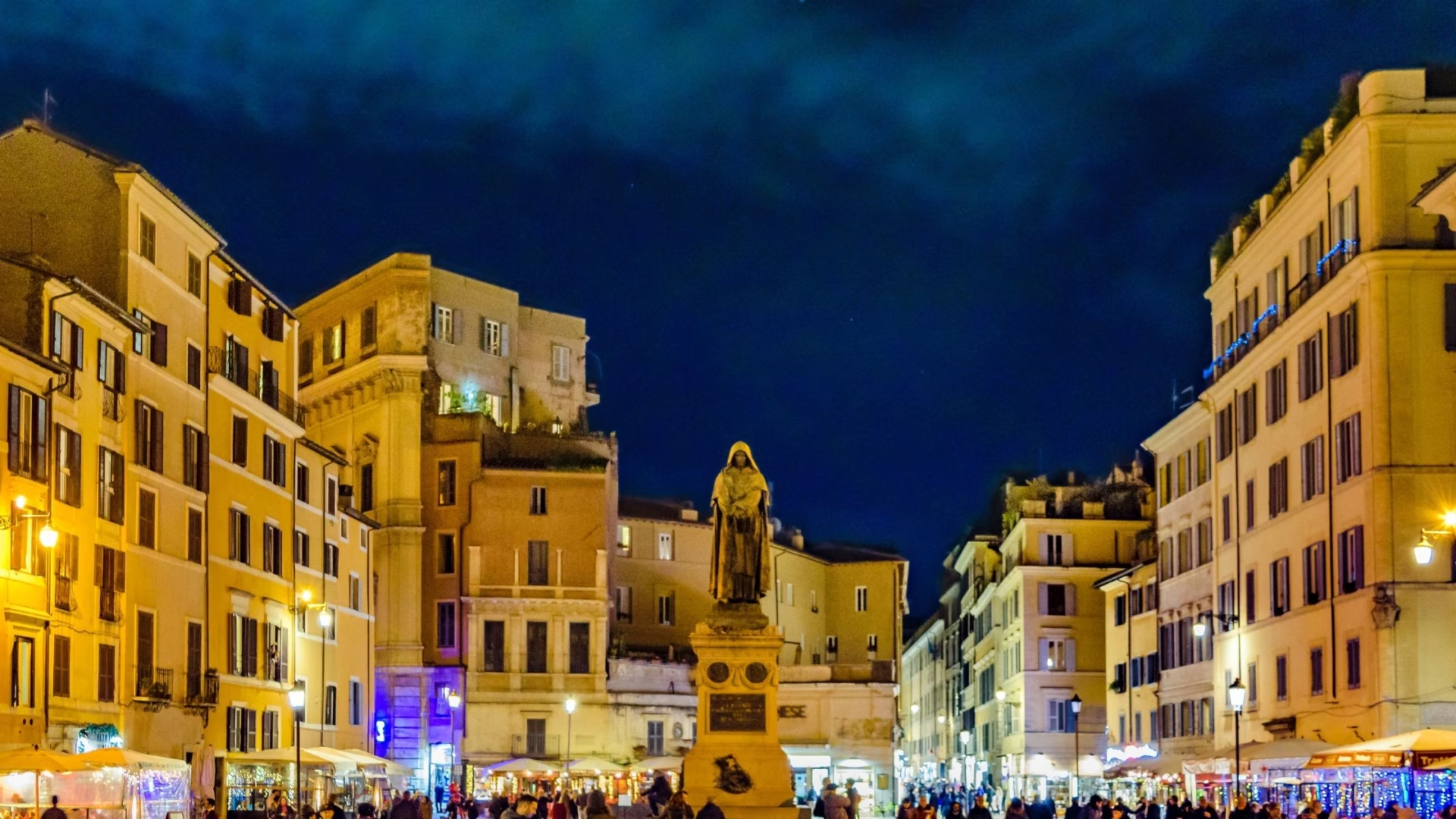
It won’t take you long to notice the statue of Giordano Bruno while wandering around the square. This particular statue was built to commemorate Bruno’s execution, which took place in this very area. Today, it stands as a tribute to his legacy of free thought, with inscriptions on the monument reflecting that message.
Sadly, public executions were commonplace during Rome’s Renaissance period and have left their mark on the area. But fortunately, it’s not all about the darker moments, as the square is also surrounded by beautiful historic locations with fabulous architecture, including Palazzo Orsini and the famous Forno Campo de’ Fiori.
Dining, Nightlife, and Entertainment
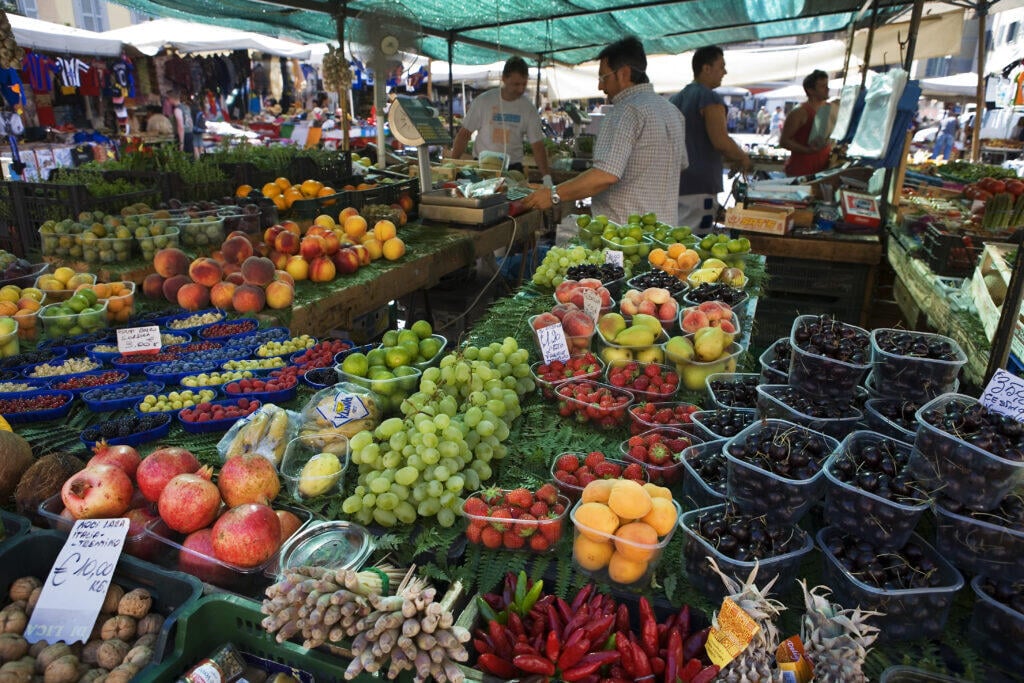
There’s an excellent culinary and nightlife scene at Campo de’ Fiori in Rome, brimming with entertainment. You’ll find plenty of cafés, gelaterias, and artisanal ice cream shops, including MYO – La Gelateria, which is well known for its tasty flavors.
Alongside them are pizzerias serving wood-fired specialties and trattorias like Ristorante Campo de’ Fiori that dish up hearty traditional fare.
When it comes to nighttime, Campo de’ Fiori gets a second wind after the market closes. The piazza quickly fills with people stopping by for aperitivo, with many gathering at the charming wine bars, cocktail spots, pubs, and al fresco eateries that line the square.
Local Culture and Artistic Scene
Campo de’ Fiori’s lively culture and creative energy are immediately noticeable when you visit. On one corner, you might see striking street art like colorful murals and modern installations, while just steps away, local venues host artisan workshops and cultural events, sometimes even small music festivals.
The area is also great for exploring independent bookstores such as Fahrenheit 451 Di Kaos Di Gabrielli Catia, galleries, and small studios like Iris Galerie, where you can discover the innovation it’s known for. This unique atmosphere is shaped by nearby historic districts and a strong student presence, giving the neighborhood a quirky feel.
Points of Interest and Landmarks
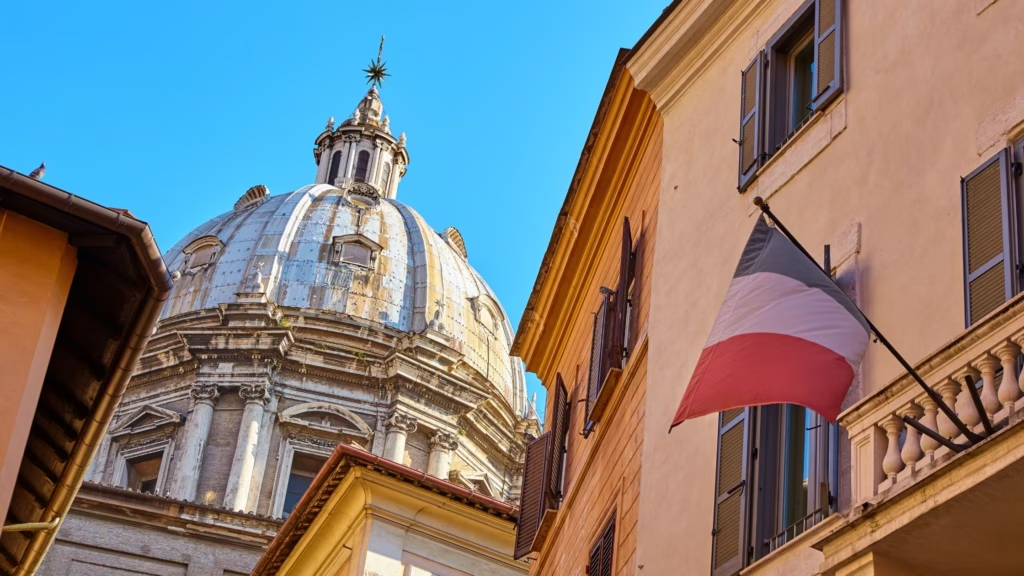
From the Basilica of San Andrea della Valle to the Piazza Farnese and glamorous palaces such as Palazzo Farnese, you’ll be kept busy with all of Campo de’ Fiori’s neighborhood attractions and activities.
Add to the list other notable attractions like Teatro di Pompeo, Via dei Giubbonari, and Villa Farnesina, as well as the endless mosaics in the vicinity, and you have a solid roundup of things to do.
If you have some extra time on your hands, you can also check out nearby libraries like Biblioteca Centrale per Ragazzi and other cultural centers.
Shopping and Specialty Stores
Campo de’ Fiori also has plenty of opportunities for shopping, with a great number of local boutiques, artisan shops, and family-run stores scattered around the district.
Whether you want to pick up some specialty food items from the Lazio region, a small souvenir to take home for your family, or tailor-made goods that you can’t get back home, it’s all up for grabs.
Some antique, kitchenware, and local craft shops may be open to bargaining, but not all of them. To test the waters, it’s best to ask if the given price is the final one, and if they budge, then you know they’re open to it. Be sure to approach these situations with respect so everyone walks away with a good deal.
Local Experiences and Recommendations
- Start your visit to Campo de’ Fiori’s piazza to get a feel for the area, and afterwards, you can walk down the side streets to experience its secret corners, bustling markets, and daily life.
- Don’t be afraid to get lost in the wider Camp de Fiori area, as there’s always a hidden cafe like Bar Farnese waiting.
- On certain evenings, you may be able to catch some live music performances at Campo de’ Fiori, so plan accordingly.
- Campo de’ Fiori, Rome, may not be as big as some of Rome’s other areas, but you should dedicate a day here, unless you decide to stay in one of the accommodation options available. This will allow you to visit all the main attractions and indulge in some dining and nightlife.
Sources:
Eating Europe. (n.d.). Rome food tours. Retrieved March 14, 2026, from https://www.eatingeurope.com/rome/
Myo Gelato. (n.d.). Home. Retrieved March 14, 2026, from http://myogelato.it/
Campo de’ Fiori Ristorante. (n.d.). Home. Retrieved March 14, 2026, from https://www.campodefioriristorante.it/
Libreria Fahrenheit 451. (n.d.). Home. Retrieved March 14, 2026, from http://libreriafahrenheit451roma.com/
IRIS Galerie. (n.d.). Home. Retrieved March 14, 2026, from https://it.irisgalerie.com/

Eternal Rome: Trastevere Food Tour & Jewish Ghetto
Discover Trastevere's top restaurants with VIP access, while exploring the historic Campo de' Fiori and tasting unique dishes in the Jewish Ghetto, including a Slow Food Presidium.
- Mon-Sat
- 4 Hours
- Small Group
Twilight® Trastevere Rome Food Tour
Enjoy Trastevere's hottest spots and best kept secrets like a true VIP
- Daily
- 4 Hours
- Small Group
- Daily
- 3.5 Hours
- Small Group
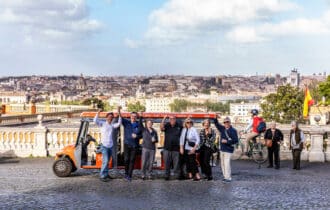
VIP Golf Cart Food Tour in Rome
Get the best of Rome and have fun on our brand new golf cart!
- Daily
- 4 Hours
- Small Group